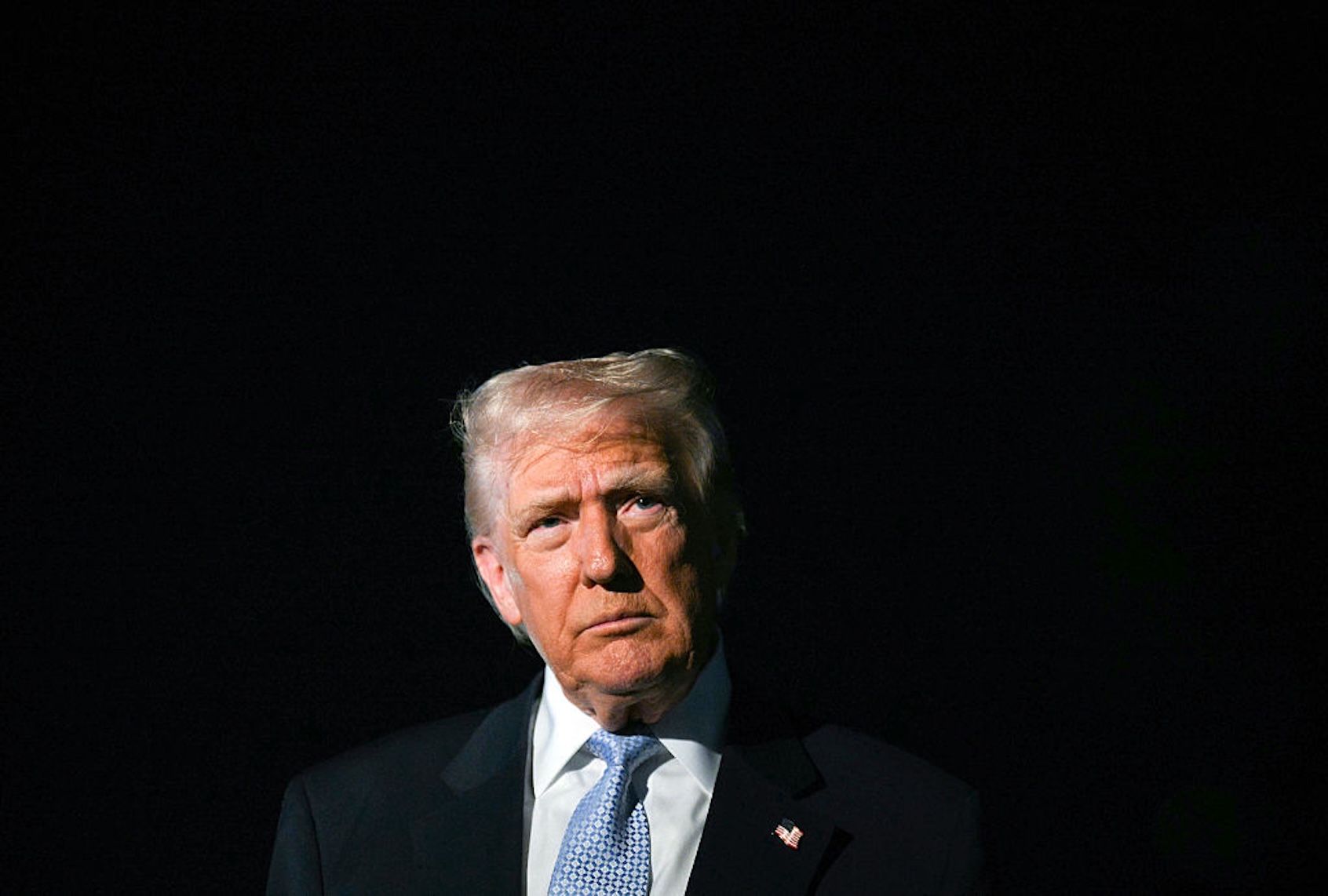
In a recent interview with the New York Times, President Donald Trump asserted that the sole check on his presidential power is his own moral judgment. This statement came amid discussions about his administration’s controversial actions, including the arrest of Venezuelan President Nicolás Maduro. Trump indicated that he feels unconstrained by legal frameworks or governmental oversight, emphasizing that his decisions are guided only by his personal sense of right and wrong.
During the interview, Trump was asked about the implications of his actions, particularly regarding international law and the potential for similar actions by other nations, such as China. He dismissed concerns about international norms, stating, “I don’t need international law because I’m not looking to hurt people.” His comments raise significant questions about the ethical boundaries of executive power and the impact of his decisions on global relations.
Implications of Trump’s Statements
Trump’s remarks have sparked debate about the limits of presidential authority, especially in light of his past impeachments and ongoing legal challenges. Critics argue that his belief in his own infallibility undermines the constitutional checks and balances intended to limit executive power. The Supreme Court’s previous decisions have often favored Trump’s legal standing, granting him what some perceive as a form of immunity from accountability.
Referring to his actions regarding Maduro, Trump characterized Venezuela as a “real threat,” contrasting it with Taiwan’s situation. He suggested that while Venezuela is a source of significant issues, Taiwan does not pose a similar risk, further complicating the geopolitical landscape. His comments could potentially embolden nations to act unilaterally, disregarding established international protocols.
In the interview, Trump asserted that his moral compass is sufficient for guiding his presidency. This perspective suggests a potentially troubling precedent where personal judgment supersedes legal and ethical considerations. Observers are left to ponder the ramifications of such a viewpoint on future domestic and international policies.
A Controversial Legacy
Trump’s presidency has been marked by a series of contentious policies and decisions that have often sparked public outcry. His assertion that he is guided solely by his own morality raises concerns about the implications for governance. With upcoming elections and shifting political dynamics, the impact of his statements remains to be seen.
As Trump continues to navigate the complexities of his political legacy, the discussions surrounding his views on power and morality will likely play a significant role in shaping the narrative of his administration. The interview serves as a reminder of the ever-evolving nature of political discourse and the importance of accountability in leadership.
This perspective invites a broader conversation about the responsibilities of elected officials and the ethical frameworks that should guide their decisions. As the world watches, the implications of Trump’s beliefs about power and morality may resonate far beyond the borders of the United States.