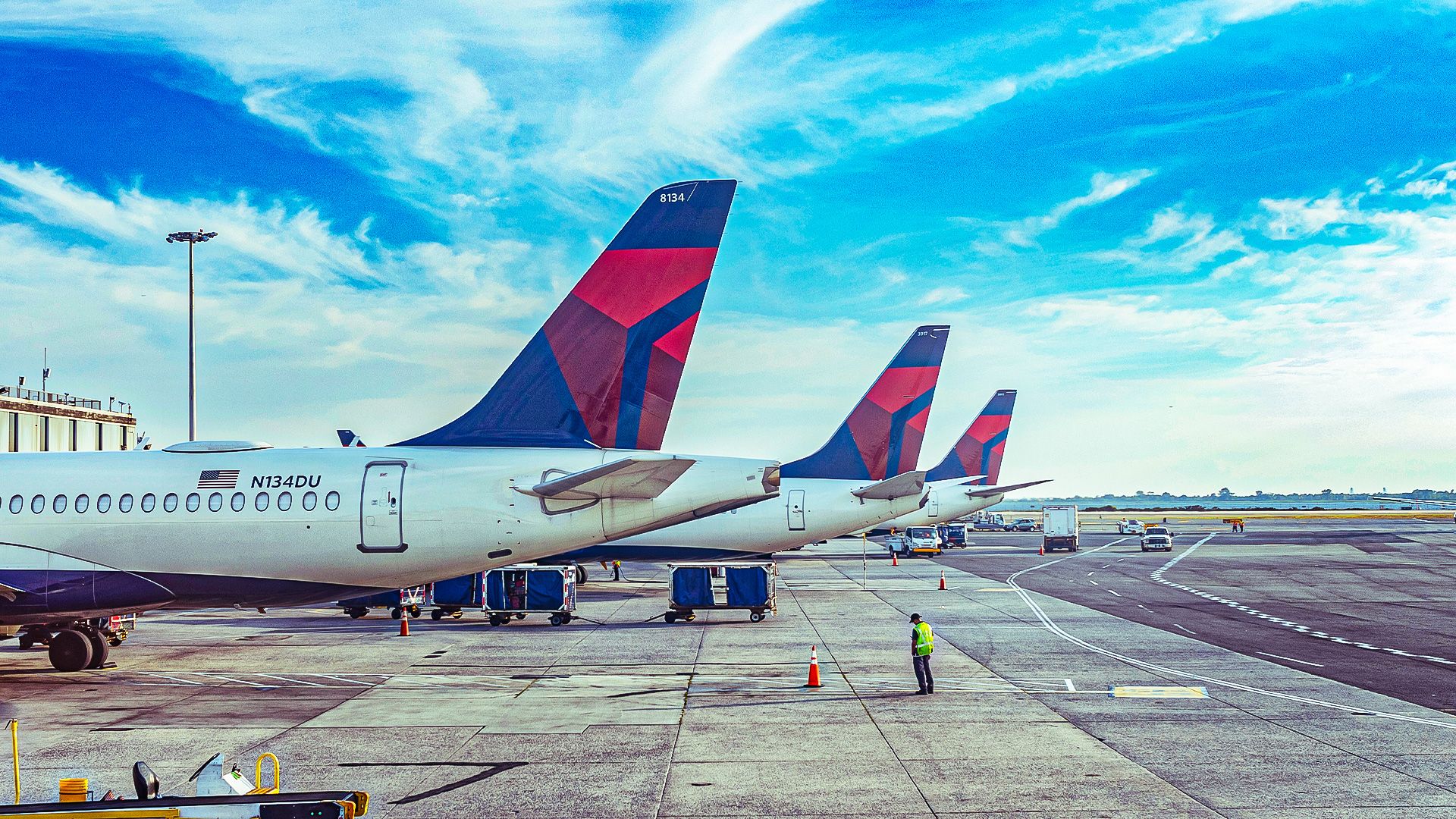
The United States continues to dominate the global aviation market, with an impressive 900 million passengers flying on commercial aircraft in 2024. This figure significantly surpasses China, which recorded just under 750 million passengers, highlighting the extensive reach of the U.S. air travel network. Central to this vast network are the country’s largest airports, which handle a substantial share of the air traffic.
Leading U.S. Airports in 2024
At the forefront is Hartsfield-Jackson Atlanta International Airport (ATL), which solidified its position as the world’s busiest airport by passenger traffic. In 2024, ATL welcomed over 105 million passengers and facilitated approximately 800,000 flights. This airport serves as the primary hub for Delta Air Lines, which is headquartered on-site. Its remarkable infrastructure includes five parallel runways and the tallest air traffic control tower in North America, supporting the airport’s extensive operations across over 150 domestic and more than 70 international destinations.
Following ATL is Dallas/Fort Worth International Airport (DFW), which recorded nearly 88 million passengers in 2024. DFW aims to surpass 100 million by the end of the decade. The airport boasts the largest portfolio of destinations in North America, with 269 total including 73 international locations. A significant expansion project, “DFW Forward,” is underway, involving a $12 billion investment to build a new terminal and renovate existing facilities.
In third place, Denver International Airport (DEN) has emerged as a major player in the aviation sector, serving over 82 million passengers in 2024. Recognized for its vast land area, DEN is also the largest hub for United Airlines and a key operating base for Southwest Airlines. The airport is a significant employer in Colorado, contributing nearly $50 billion to the state’s economy annually.
Notable Hubs and Their Impact
“The air travel industry in the United States continues to thrive, driven by robust infrastructure and a growing demand for air travel,”
said an aviation analyst.
Chicago O’Hare International Airport (ORD) follows closely, serving over 80 million passengers. Known for its extensive runway system, ORD recorded its busiest month ever in July 2025. The airport is a critical hub for both United and American Airlines, which together account for approximately 75 percent of its traffic.
Los Angeles International Airport (LAX), with over 75 million passengers, stands as the busiest airport on the West Coast. Recently, LAX has undergone significant renovations in preparation for the upcoming 2028 Olympics. Notably, nearly 90 percent of its travelers are originating from or arriving at LAX, underscoring its role as a primary gateway rather than a connecting hub.
Rounding out the list, John F. Kennedy International Airport (JFK) and Charlotte Douglas International Airport (CLT) each served over 55 million passengers. JFK is renowned for its global connectivity, with flights to six continents, while CLT is American Airlines’ second-largest hub, currently undergoing a $4 billion improvement program to accommodate its rapid growth.
The landscape of U.S. airports reflects not only the volume of air traffic but also the robust economic impact of the aviation sector. As travel demand continues to rise, these major hubs will play an essential role in shaping the future of air travel in America and beyond.