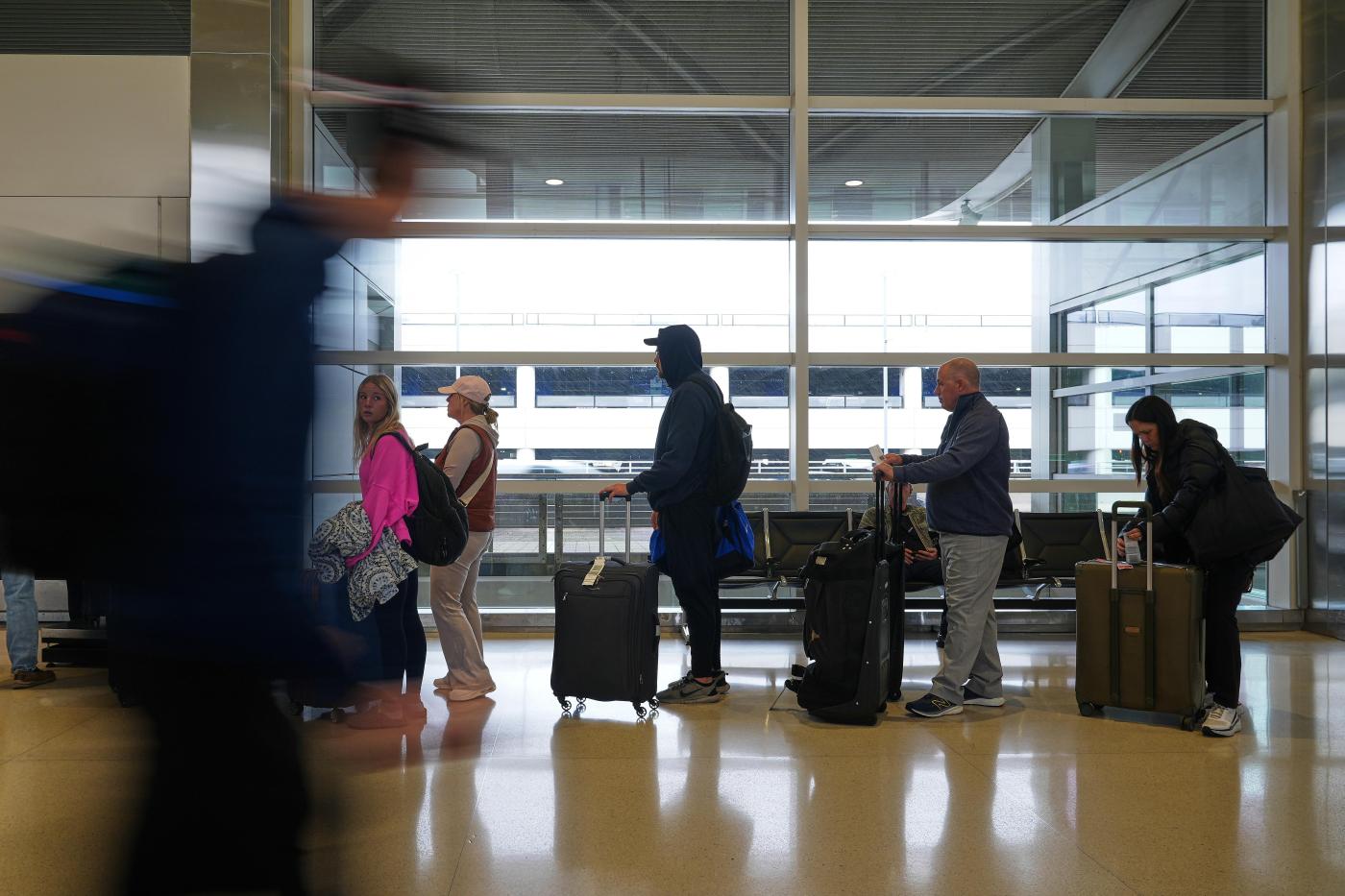
Tampa International Airport is taking a bold stance on travel attire, calling for a ban on pajamas as acceptable clothing at the airport. The announcement, made via social media this past week, stated, “We’ve seen enough. We’ve had enough.” The airport’s light-hearted campaign follows a previous jest about banning Crocs, the popular slip-on shoes made from a proprietary foam resin. Though travelers can still wear Crocs, the airport has strongly encouraged against it.
The airport’s social media post humorously declared, “After successfully banning Crocs and giving everyone the amazing opportunity to experience the world’s first Crocs-free airport, it’s time to take on an even larger crisis: pajamas.” The airport acknowledged that this initiative may be “disruptive to someone in your life,” prompting a call for travelers to engage in “a difficult conversation” about appropriate airport attire.
Tampa International Airport urged the public to join the movement, aiming to become the world’s first airport free of both Crocs and pajamas. The post, shared on platforms like Facebook, Instagram, and X, garnered a mix of serious and satirical responses from the public. “The farthest distance anyone should travel outside their home with pajamas on is the mailbox,” one commenter noted. Others expressed support while suggesting exceptions, such as allowing pajamas for children under five or matching Christmas pajamas for families.
Despite the playful tone, the airport’s campaign coincides with broader discussions about decorum in air travel. Sean Duffy, the U.S. Secretary of Transportation, recently encouraged travelers to reconsider their wardrobe choices in light of an increase in disruptive behavior on flights. His comments were part of a campaign titled “The Golden Age of Travel Starts with You,” aimed at restoring courtesy and respect in air travel.
Duffy’s statement highlighted a troubling trend, with reports indicating a 400% increase in outbursts on planes since 2019, encompassing a range of behaviors from disruptive actions to violence. “I would encourage people to maybe dress a little bit better, which encourages us to maybe behave a little better,” he said during a news conference, advocating for travelers to avoid slippers and pajamas when heading to the airport.
The push for a more formal dress code reflects ongoing efforts to enhance the travel experience for passengers, gate workers, flight attendants, and pilots alike. As the holiday travel season approaches in late 2025, the Tampa International Airport’s campaign could ignite a larger nationwide conversation about appropriate travel attire and its impact on the travel environment.