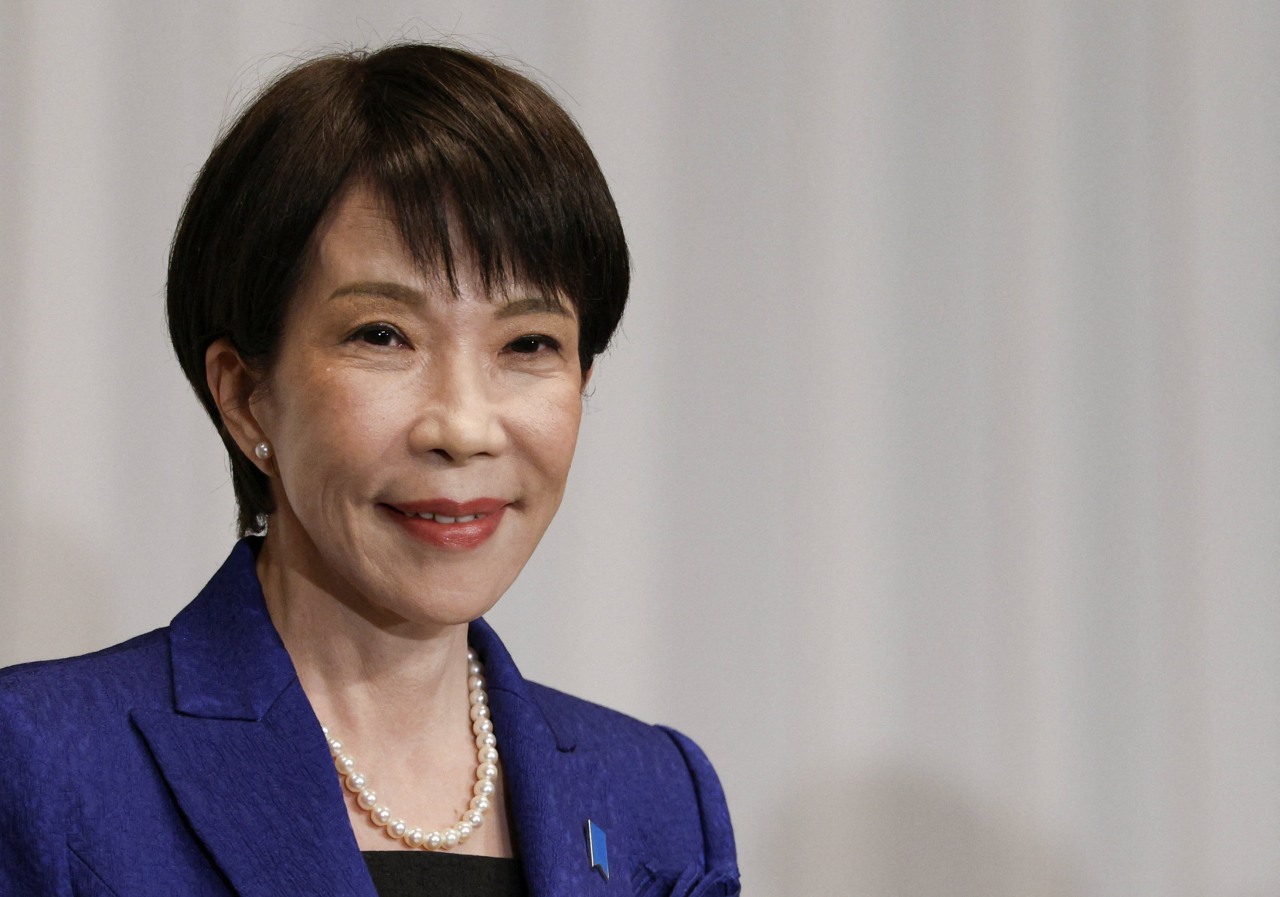
Japan’s political landscape has shifted significantly with the recent electoral success of the ruling Liberal Democratic Party (LDP), led by Seiko Takaichi. This development has granted Takaichi a supermajority, enhancing her ability to implement pivotal policies concerning the nation’s economy and defense. The implications of this victory may also pave the way for a long-sought revision of Japan’s post-war constitution, an objective that has been championed by conservative factions for decades.
Takaichi’s leadership comes at a crucial time when Japan faces various challenges, both domestically and internationally. With a supermajority in the Diet, the Japanese parliament, Takaichi is positioned to advance her agenda with greater authority. This includes initiatives aimed at bolstering Japan’s economy, which has shown signs of recovery but still grapples with inflation and stagnant wages.
Strategic Focus on Defense and Economic Reform
The new political mandate enables Takaichi to prioritize defense reforms, a significant aspect of her policy agenda. Japan’s defense capabilities have been under scrutiny, particularly in light of regional threats from neighboring countries. Takaichi’s approach includes increasing the defense budget and possibly enhancing military cooperation with allies like the United States.
Moreover, Takaichi’s economic policies will likely focus on revitalizing Japan’s economy through investment in technology and sustainable industries. The LDP aims to foster an environment conducive to economic growth while addressing the needs of a rapidly aging population. These initiatives are essential for maintaining Japan’s competitive edge in the global market.
Constitutional Revision on the Horizon?
One of the most contentious aspects of Takaichi’s leadership may be her potential move towards constitutional revision. The Japanese constitution, enacted in 1947, includes a pacifist clause that restricts the nation’s military capabilities. This clause has been a focal point for conservative politicians who advocate for a stronger military presence.
Takaichi’s supermajority could provide the necessary support to initiate constitutional discussions, a prospect that has long been met with both support and resistance within Japanese society. The debate over this issue is likely to intensify as various factions within the LDP and the broader public express their views on Japan’s future defense posture.
As Takaichi embarks on this ambitious agenda, her ability to navigate the complexities of both domestic and international politics will be crucial. With the backing of a supermajority, she holds a strong hand in shaping Japan’s future, making it a critical period for the nation and its citizens. The coming months will reveal how effectively she can leverage this advantage to implement changes that resonate with the Japanese populace.