The space supply chain is facing unprecedented strain as the demand for satellites surges. This surge is driven by applications from nations and private companies, including a recent filing by China with the International Telecommunication Union for a staggering 203,000 satellites. Additionally, SpaceX has proposed a network comprising one million satellites for data services. This competition for satellite infrastructure is not only reshaping commercial markets but also poses significant challenges for military initiatives, particularly those of the US Defense Department.
The increasing demand for satellite launch vehicles and components could jeopardize several Pentagon programs. Industry experts warn that the existing supply chain is at risk of becoming overwhelmed. Dave Cavossa, head of the Commercial Space Federation, stated, “Demand is about to go through the roof… I’m concerned that the industrial base in the United States isn’t ready to support it.”
Growing Demand for Satellites and Launch Vehicles
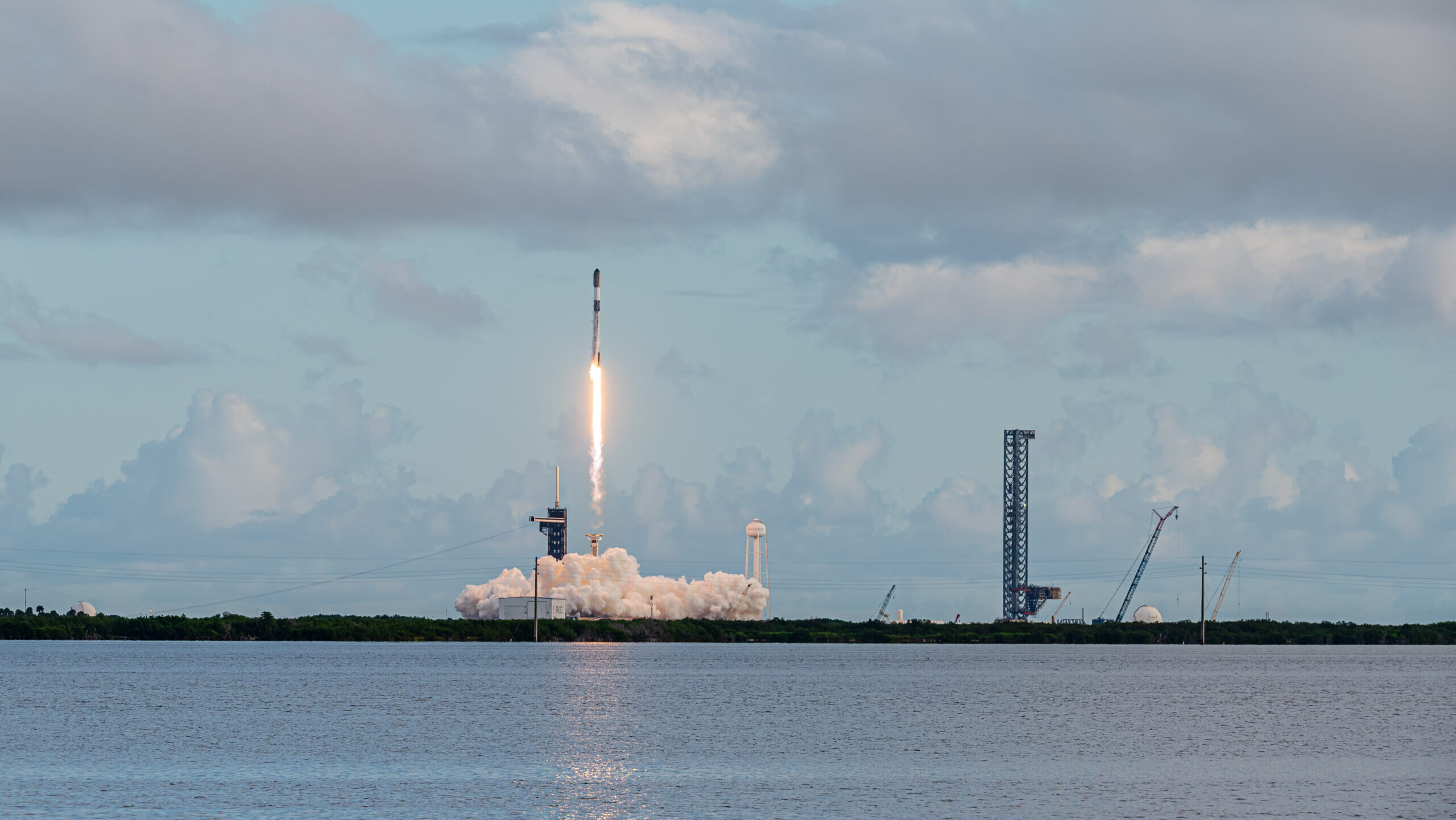
The rush for satellites is fueled by the emergence of mega-constellations, particularly in low Earth orbit (LEO). Companies like SpaceX, with its Starlink and military-oriented Starshield, are leading the charge. Recently, Amazon announced that its Project Kuiper has successfully launched 200 satellites, with a long-term goal of a constellation of approximately 7,700 satellites. This commercial push is mirrored by military investments as nations seek to bolster their space capabilities.
The US Defense Department is actively pursuing a more resilient space structure, including the ambitious Golden Dome missile shield initiative. Programs led by the Space Development Agency and Space Systems Command aim to deploy numerous satellites for missile tracking, further amplifying the demand for launch services and satellite components.
Jeff Schrader, vice president of strategy and business development at Lockheed Martin, emphasized a dramatic increase in deliveries, noting a 632 percent rise in satellite and space vehicle deliveries compared to previous projections. To prepare for this surge, Lockheed is enhancing its supply chain management, utilizing multiple suppliers across over 52 countries to mitigate potential shortages.
Challenges in the Supply Chain
Despite these preparations, industry leaders have expressed concerns over existing supply chain bottlenecks. Scott Herman, chief technology officer at UK startup SatVu, highlighted the overlap between commercial and defense supply chains, noting that even vertically integrated companies are heavily reliant on a limited number of suppliers for critical components.
The complexity of the space industry makes it challenging to identify precise bottlenecks. Tom Stroup, president of the Satellite Industries Association, pointed out that competition discourages companies from publicly acknowledging supply chain issues. Both the Aerospace Industries Association and the Commercial Space Federation are currently undertaking studies to better understand these challenges and develop strategies for mitigation.
Concerns surrounding specific components have been echoed by Lt. Gen. Philip Garrant, commander of the Space Systems Command, who noted that supply chain problems are affecting critical items such as optical crosslinks, fuel tanks, and software. Lockheed’s Schrader identified further issues with the availability of on-board processors, solar panels, and propulsion systems, all essential for the rapid expansion of satellite networks.
The availability of critical minerals and rare Earth elements is another area of concern. Approximately 70 percent of these materials are sourced from abroad, primarily from China. Industry officials have cited materials like gallium arsenide and germanium as crucial for the production of optoelectronics and high-efficiency solar cells, which are vital for missile tracking capabilities.
To address these challenges, the Space Force has initiated efforts to monitor and manage supply chain issues closely. Garrant noted that various groups within the Space Force are actively engaging with industry partners to stay ahead of potential disruptions.
The ongoing demand for satellite infrastructure may lead manufacturers to prioritize commercial contracts over military ones, as the economics of mega-constellations could offer more lucrative opportunities. This shift could further complicate the Pentagon’s efforts to expand its military space architecture.
As the US Defense Department navigates these supply chain challenges, the unpredictability of government demand adds another layer of complexity. Caleb Henry, director of research at Quilty Space, described the defense demand signal as “lumpy and unpredictable,” highlighting the difficulties suppliers face in planning production.
Some industry insiders, including Chuck Beames, chairman of the SmallSat Alliance, argue that the real issue may not be supply chain constraints but rather the lack of clarity from the Pentagon regarding future contracts. He emphasized the importance of timely requests for proposals (RFPs) to signal commitment to suppliers.
Overall, the evolving landscape of satellite demand and the pressures on the supply chain raise critical questions about the future of military space initiatives. The Pentagon’s ability to adapt to these challenges will be crucial in maintaining its strategic advantage in an increasingly competitive space environment.