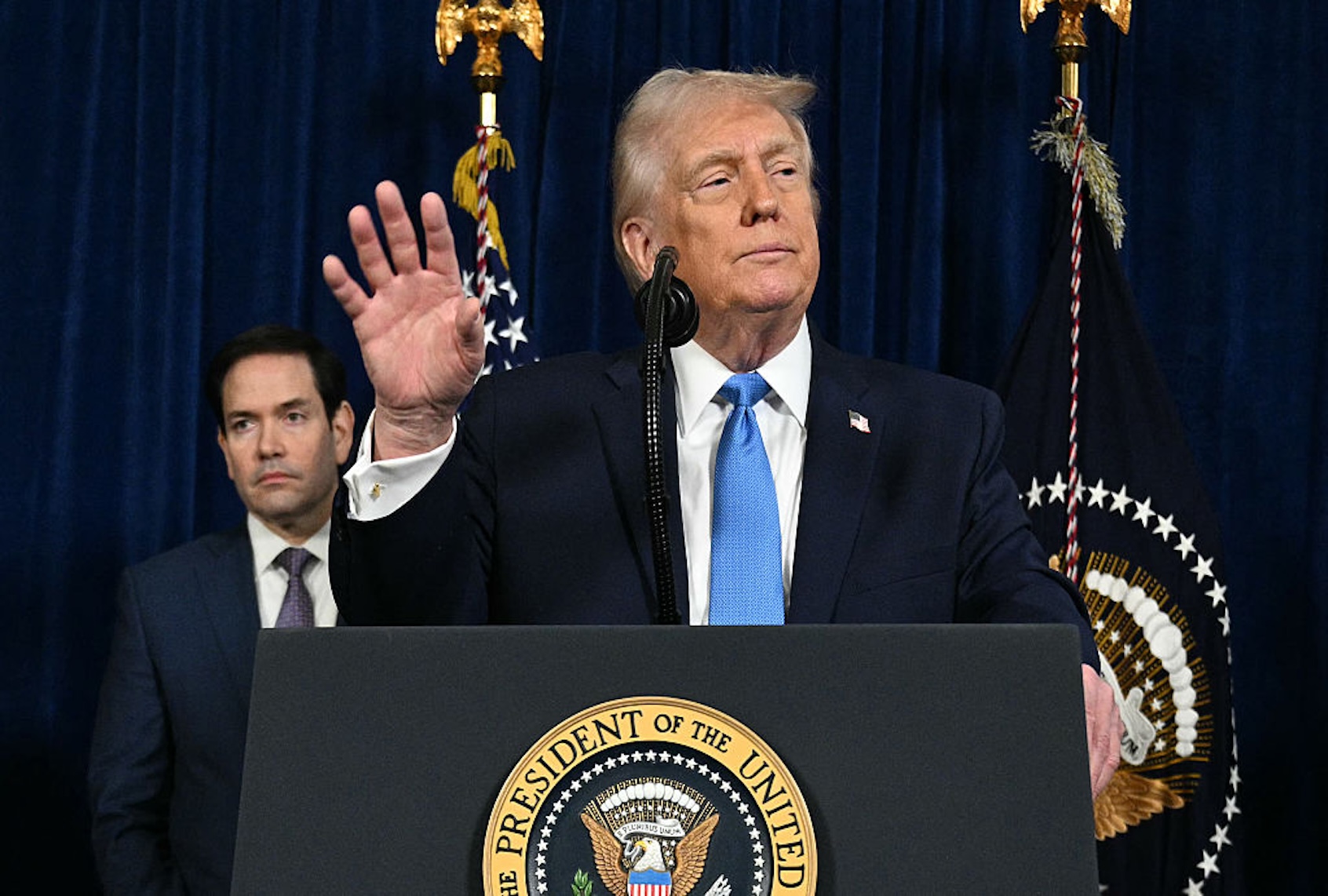
The United States Senate is on the verge of finalizing a significant military policy bill, which will allocate $901 billion for defense programs. Scheduled for a vote on March 6, 2024, this legislation is not only a budgetary measure but also comes with increased scrutiny on the actions of Defense Secretary Pete Hegseth regarding military operations.
The proposed bill outlines funding for various defense initiatives, including personnel pay raises, equipment modernization, and technological advancements. As the Senate prepares to vote, it faces pressure to enhance accountability within the Defense Department. A key point of contention has emerged regarding Hegseth’s reluctance to release video footage of military strikes targeting alleged drug trafficking operations.
Legislative Context and Implications
The annual defense policy bill is a critical element of the U.S. government’s budgeting process, reflecting national security priorities. This year’s proposed allocation of $901 billion marks a substantial investment in military capabilities, with implications for both domestic and international security.
Senators have raised concerns about the lack of transparency surrounding certain military operations. The push for Hegseth to release videos related to targeted strikes underscores an ongoing debate about the ethical dimensions of military actions. Lawmakers argue that providing such footage is essential for public understanding and oversight.
While the defense bill is expected to pass, the discussions surrounding it reveal deeper issues regarding military accountability. Senators from both parties have expressed the need for improved oversight mechanisms to ensure that military actions align with U.S. values and legal standards.
Future of U.S. Military Policy
As the Senate moves closer to approving the defense bill, the implications for U.S. military policy are significant. The allocated funds will support various programs, from enhancing troop readiness to investing in advanced technologies aimed at keeping pace with global threats.
The pressure on Secretary Hegseth highlights a growing demand among lawmakers for transparency in military operations. As the debate unfolds, the outcome of this legislative session may set a precedent for how military actions are scrutinized in the future.
In summary, the Senate’s impending vote on the $901 billion defense bill encapsulates a critical moment in U.S. military policy. With increasing calls for transparency and accountability, the actions of the Defense Department will be under close observation as lawmakers seek to balance national security interests with ethical considerations.