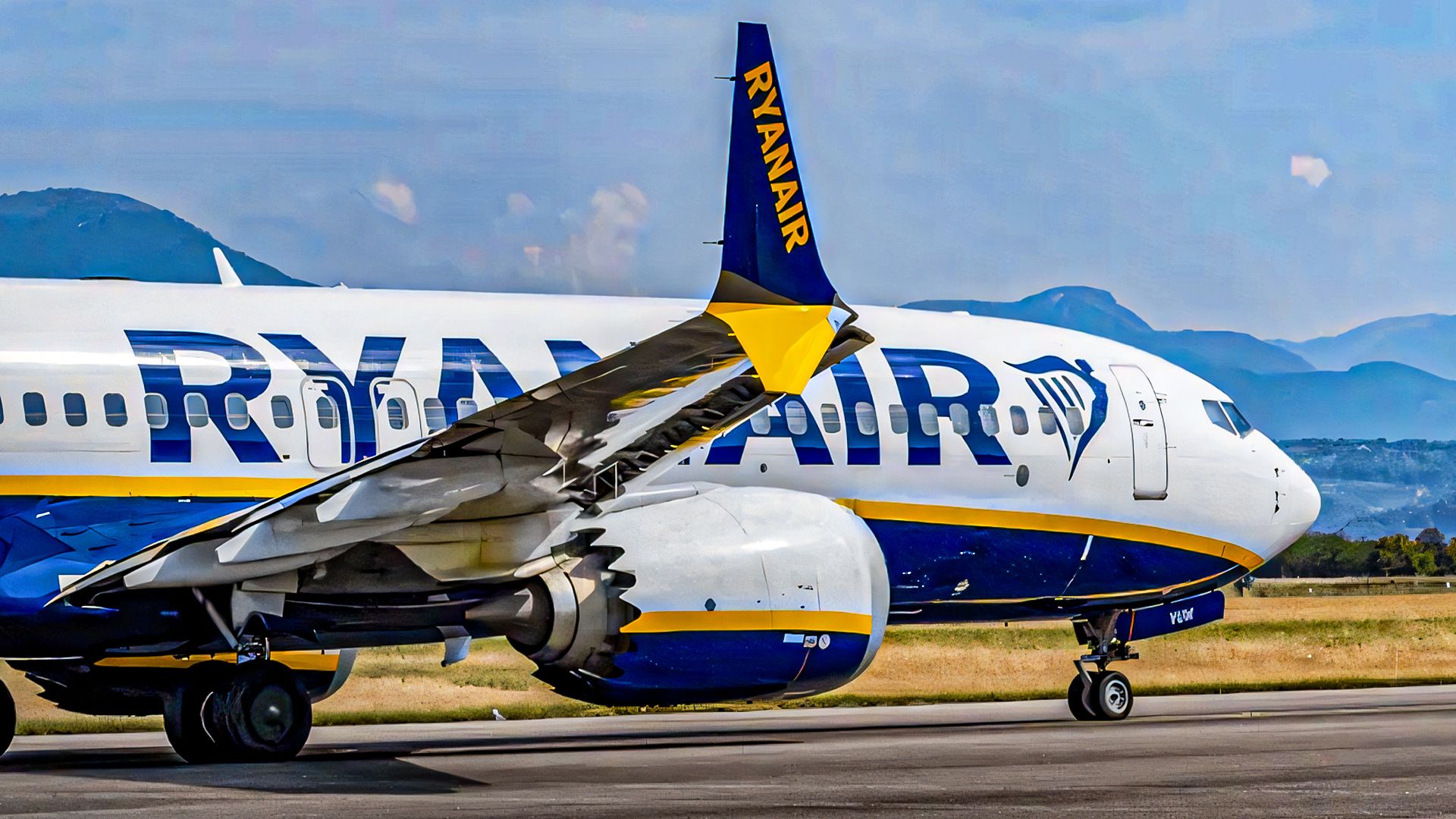
Ryanair is set to operate an impressive **350,411 flights** with its Boeing 737 MAX 8-200 aircraft in **2026**, significantly enhancing its capacity and cost efficiency. By the end of **February 2026**, the airline expects to complete its order for **206** of these aircraft as part of a larger fleet of **643**. This strategic move aligns with Ryanair’s ongoing efforts to optimize its operations in a highly competitive market.
The Boeing 737 MAX 8-200, often referred to by Ryanair as the “Gamechanger,” is designed specifically for low-cost carriers. It enables airlines to maximize passenger capacity without moving to larger aircraft categories. Ryanair’s configuration allows for **197 seats**, compared to **189** on its previous 737-800 models. This increase in density is crucial for maintaining low fares, particularly on high-demand routes.
Growing Network and Route Expansion
Ryanair aims to expand its network capabilities by launching **106 new routes** for the summer of **2026**. These new routes, coupled with the earlier-than-expected delivery of the MAX 8-200s, are anticipated to drive traffic growth for the airline. This aircraft variant is pivotal not only as a statistic in the fleet but as a key driver for Ryanair’s expansion strategy.
The MAX 8-200 is especially effective for short-haul routes, including major connections between **Dublin** and **London**. The utilization of this aircraft is expected to facilitate approximately **960 flights per day**, translating to nearly **189,000 seats** available daily. This operational scale underlines the significance of the MAX 8-200 to Ryanair’s overall business model.
Operational Efficiency and Cost Benefits
For Ryanair, the introduction of the Boeing 737 MAX 8-200 is less about adding a new aircraft type and more about reinforcing its competitive edge. The airline’s business model relies on achieving low unit costs, high aircraft utilization, and quick turnaround times. The additional seats provided by this variant allow Ryanair to spread fixed costs, such as crew and airport charges, across a larger passenger base.
Moreover, the MAX 8-200 is designed to consume less fuel per seat, a critical factor in maintaining profitability amid fluctuating fuel prices. As environmental regulations tighten, the aircraft’s lower emissions will also help Ryanair meet increasing standards set by various airports.
This approach to fleet management enables Ryanair to capitalize on existing routes while introducing new ones without incurring significant operational disruptions. The flexibility gained from using the MAX 8-200 enhances the airline’s ability to navigate capacity constraints in the European market.
The carrier’s strategic deployment of this aircraft reflects its ongoing commitment to affordability and efficiency. By linking aircraft deliveries directly to route launches, Ryanair ensures that its growth plans remain aligned with operational capabilities.
In summary, the Boeing 737 MAX 8-200 represents a crucial element in Ryanair’s strategy for future growth. The airline’s CEO, **Michael O’Leary**, has expressed confidence that this aircraft will bolster Ryanair’s profitability. As the aviation industry continues to evolve, Ryanair’s investment in the MAX 8-200 positions it well to maintain its status as a leading low-cost carrier in Europe.