U.S. President Donald Trump stated on Sunday that Iran has expressed interest in negotiations following a violent crackdown on protests that has reportedly resulted in a rising death toll of at least 544 individuals. This development comes amid heightened tensions as Trump weighs a variety of potential responses, including cyberattacks and possible military strikes against the Islamic Republic.
The protests, which erupted over economic grievances and government oppression, have led to the detention of more than 10,600 people, according to the Human Rights Activists News Agency. This organization, which relies on information from supporters in Iran, has been consistent in its reporting during recent unrest. The protests have been met with severe government retaliation, making it difficult to verify casualty figures independently. The Iranian government has not released any official statistics regarding the death toll.
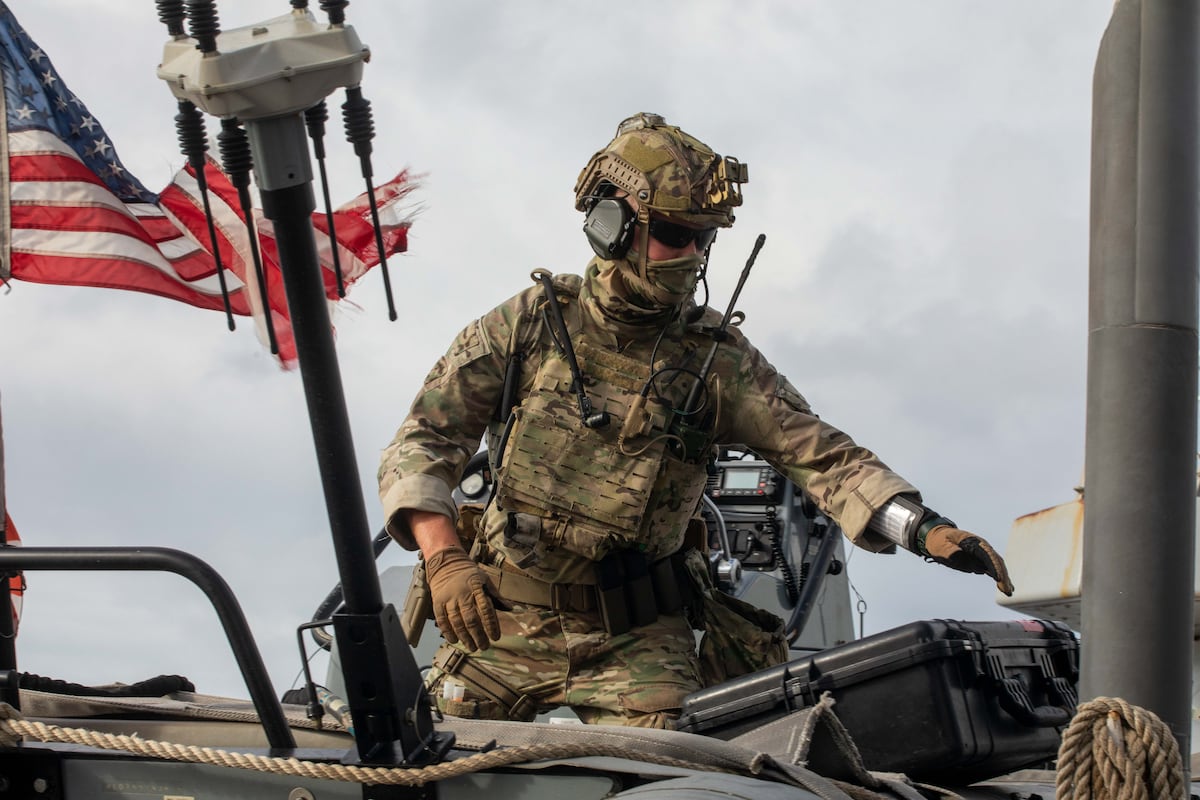
Trump, speaking aboard Air Force One, emphasized the military’s readiness to act and described the options being considered as “very strong.” He warned Iran against retaliation, stating, “If they do that, we will hit them at levels that they’ve never been hit before.” Despite the ongoing violence, Trump indicated that his administration is in discussions to arrange a meeting with Tehran, expressing hope for dialogue while acknowledging the urgency of the situation.
Escalating Tensions and Threats
Iran’s leadership has responded defiantly. During a parliamentary address, Mohammad Baagher Qalibaf, the hard-line speaker of Iran’s parliament, declared that U.S. military bases and Israeli targets in the region would be considered “legitimate targets” should the U.S. take military action. He urged lawmakers to prepare for swift retaliation, saying, “We do not consider ourselves limited to reacting after the action.”
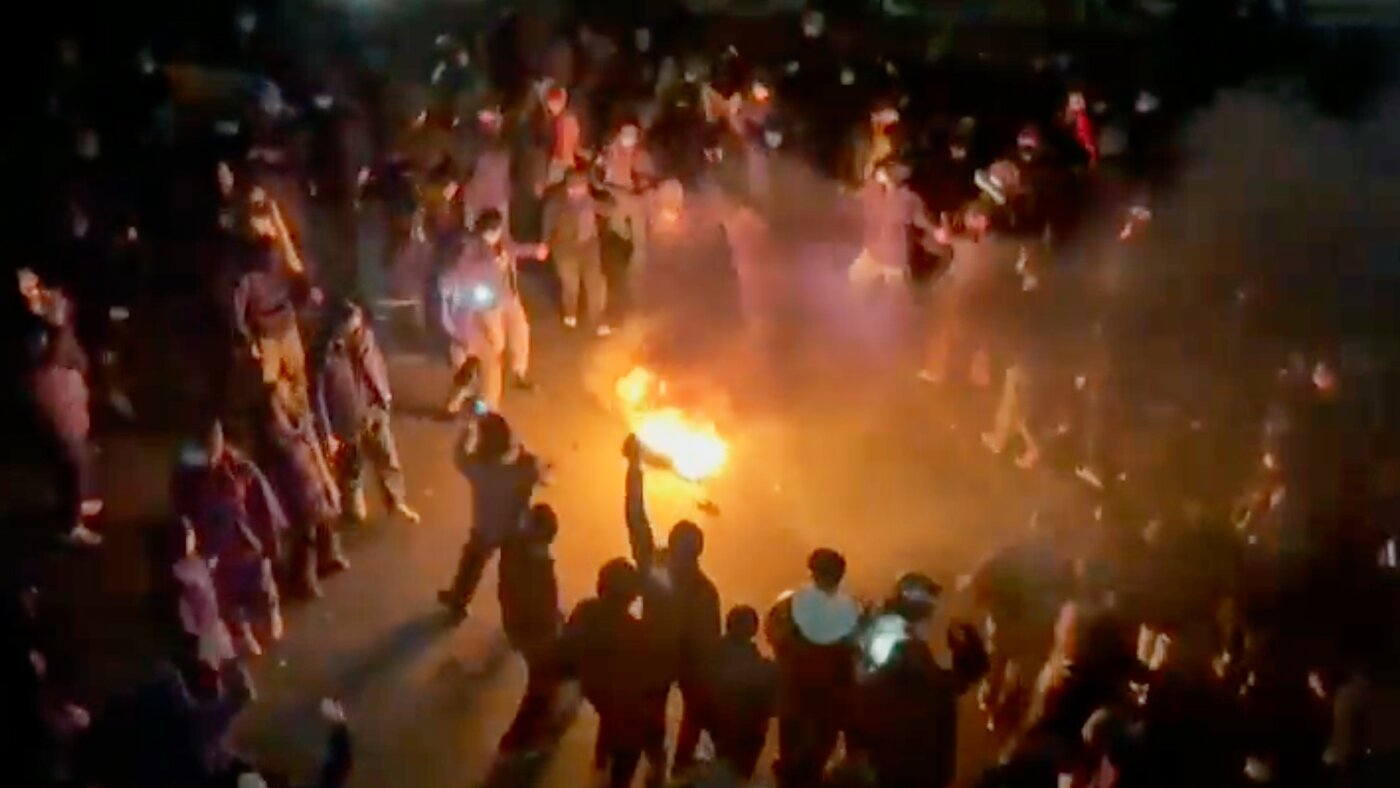
Demonstrations in Iran have continued to intensify, with protesters gathering in major cities such as Tehran and Mashhad. Online videos purported to show large crowds in these urban areas, despite the government’s efforts to suppress communication and restrict information flow. Reports suggest that authorities are utilizing internet blackouts to hinder coordination among protesters, raising fears that security forces may escalate their violent response.
The protests began on December 28, 2022, spurred by the collapse of the Iranian rial, which has fallen to over $1.4 million for a single U.S. dollar. Economic sanctions related to Iran’s nuclear program have exacerbated the situation, leading many citizens to voice their frustrations against the ruling regime.
Global Reactions and Support for Protesters
International reactions to the unrest have been significant. Israeli Prime Minister Benjamin Netanyahu expressed solidarity with the Iranian people, commending their bravery in the face of government oppression. Meanwhile, at the Vatican, Pope Leo XIV highlighted the ongoing violence in Iran, hoping for a peaceful resolution that serves the common good.
The United Nations Secretary-General Antonio Guterres conveyed his shock at the reports of violence against protesters, urging Iranian authorities to exercise maximum restraint and restore communication channels. Demonstrations in support of the Iranian protesters have also occurred in various international cities, illustrating widespread global concern over the situation.
As the world watches the unfolding events in Iran, the potential for dialogue between Tehran and Washington remains uncertain. While Trump has indicated a willingness to negotiate, the severity of the crackdown on dissent and the rising death toll complicate the landscape, leaving many questions about the future of Iran’s political stability and its relationship with the United States.