A senior official from Pakistan has asserted that the country “will not be the first to resume nuclear tests,” following remarks made by U.S. President Donald Trump. In an interview with CBS News, Trump claimed that Pakistan, alongside Russia and China, was involved in nuclear weapons testing. The official’s statement aims to clarify Pakistan’s position in light of these allegations.
The Pakistani official emphasized that Pakistan was not the initial nation to conduct nuclear tests and reiterated its commitment to a self-imposed moratorium on further testing. This response comes amid escalating tensions regarding nuclear capabilities, particularly following Trump’s announcement of a potential U.S. resumption of nuclear tests.
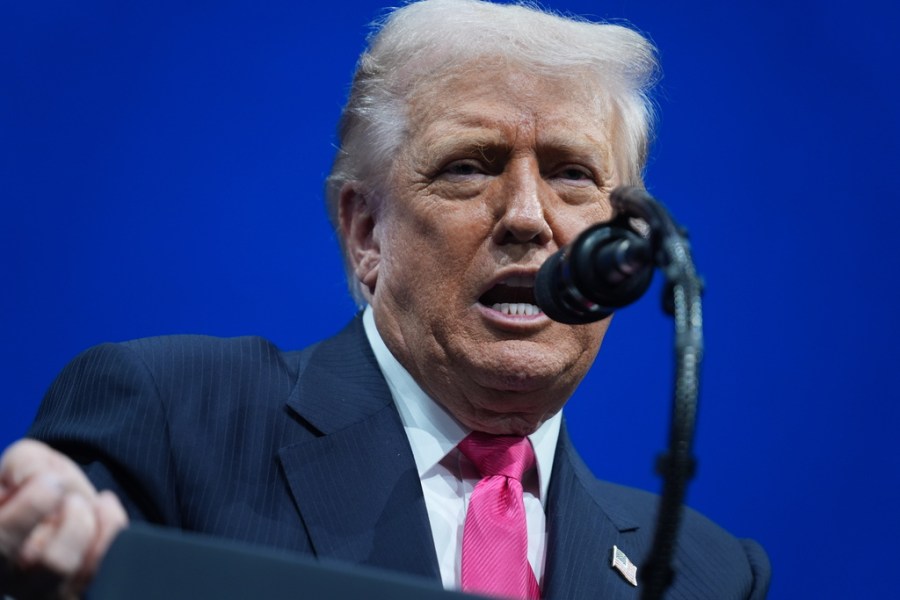
China, the first nation mentioned by Trump during the CBS interview, quickly denied any allegations of secret nuclear testing. Trump stated, “We’re gonna test, because they test and others test. And certainly North Korea’s been testing. Pakistan’s been testing.” This statement was made shortly after Trump’s nominee for the head of U.S. Strategic Command (STRATCOM) informed lawmakers that neither China nor Russia were conducting nuclear explosive tests.
Since the last known nuclear test in 1998, Pakistan has adhered to a “unilateral moratorium on nuclear testing.” Although it has not signed the Comprehensive Test Ban Treaty (CTBT), Pakistan’s Ministry of Foreign Affairs has expressed support for the treaty’s objectives. The U.S. and approximately 180 other nations have signed the CTBT, which prohibits all nuclear test explosions, but key nations including the U.S. and Russia have yet to ratify it.
In the same interview, Trump referenced North Korea as another nation involved in nuclear testing, despite it being the only country known to have conducted a nuclear detonation since the late 1990s. The last nuclear test conducted by China was in 1996, while Russia has increased its testing of nuclear-capable weapon systems but has not announced plans to resume nuclear detonations.
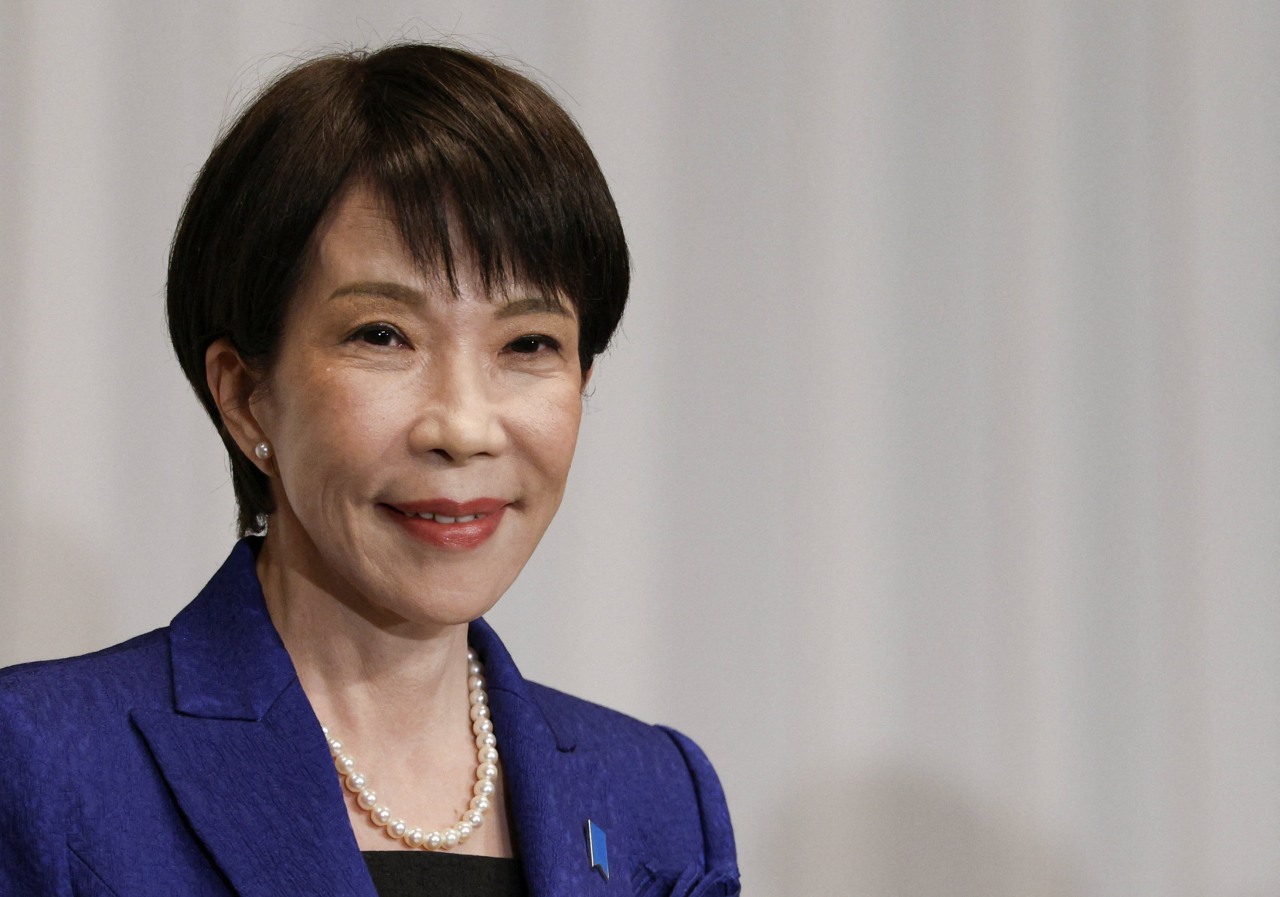
During a press briefing, Mao Ning, spokesperson for the Chinese Foreign Ministry, highlighted that as a “responsible nuclear-weapons state,” China has maintained a self-defense nuclear strategy and has committed to suspending nuclear testing. She urged the U.S. to take measures to support international nuclear disarmament and non-proliferation, emphasizing the need for global strategic stability.
Following Trump’s claims regarding potential Russian nuclear tests, there was no immediate response from Moscow. The ambiguity surrounding Trump’s statements about the U.S. resuming nuclear tests has led to confusion. He has not clarified whether this entails actual nuclear explosions, which haven’t occurred in the U.S. for over 30 years, or simply further testing of nuclear delivery systems.
Chris Wright, the U.S. Energy Secretary appointed by Trump, attempted to clarify the situation, stating, “I think the tests we’re talking about right now are system tests. These are not nuclear explosions.” He elaborated that these tests would involve non-critical explosions to ensure the integrity of the weapon systems without conducting full detonations.
As the international community watches closely, Pakistan’s reaffirmation of its stance on nuclear testing underscores the complexities surrounding global nuclear dynamics and the ongoing discussions about disarmament and non-proliferation.