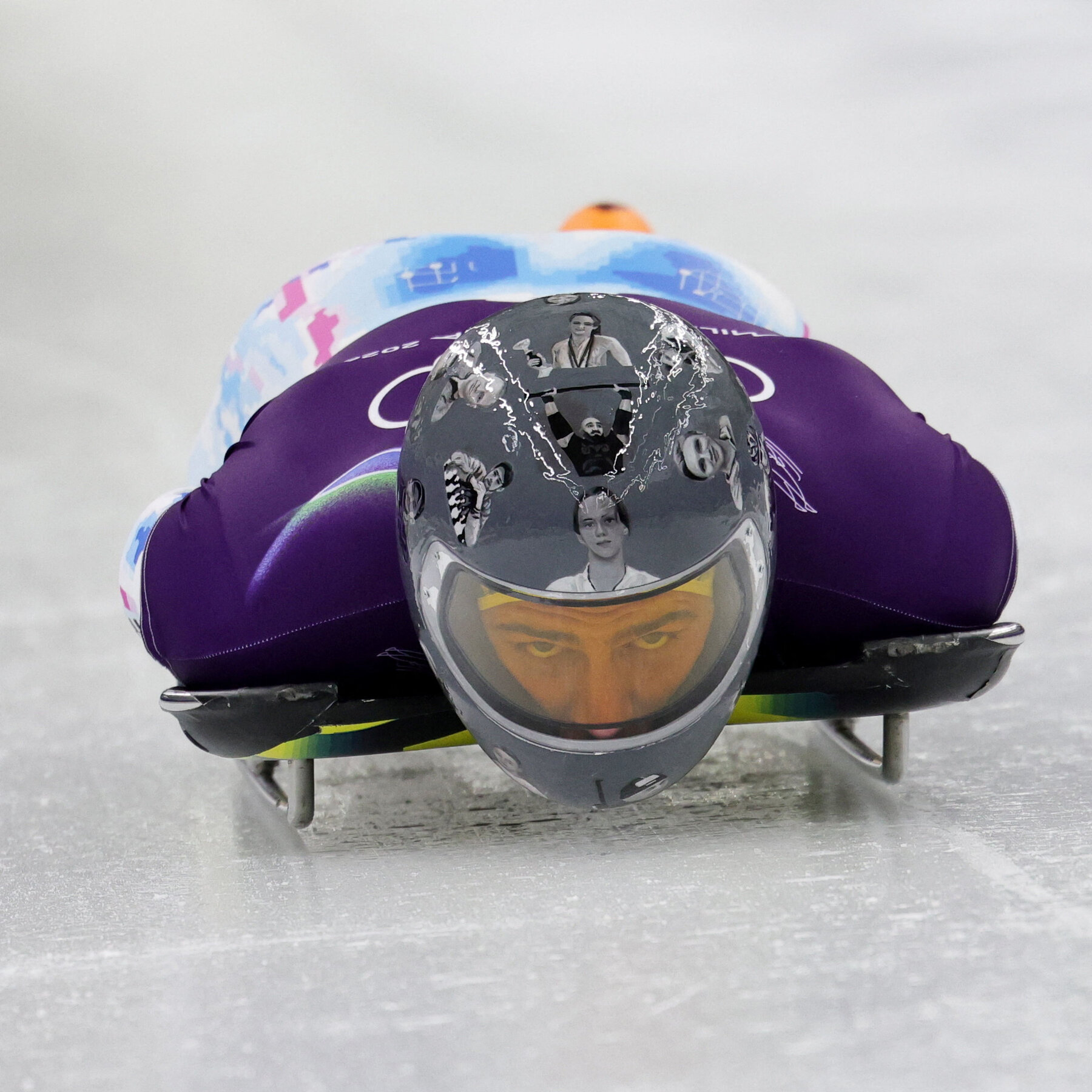
The International Olympic Committee (IOC) has prohibited Ukrainian athlete Vladyslav Heraskevych from wearing a helmet adorned with a tribute to athletes who lost their lives in the ongoing conflict against Russia. This decision comes as the IOC enforces its policy against political statements during Olympic events, a stance that has drawn significant attention and controversy.
Heraskevych, a 25-year-old skeleton racer, had designed the helmet to honor those who have died in the war, which has deeply affected Ukraine. He described the helmet as a personal tribute, meant to remember not only fallen athletes but also the broader impact of the conflict on his country’s sports community. His intention was to raise awareness and pay homage to those who have made the ultimate sacrifice in defense of their nation.
In response to the situation, the IOC stated that while they acknowledge the sentiment behind Heraskevych’s helmet, it contravenes their regulations regarding political expression at the Olympics. Instead, the IOC has permitted the use of a simple black armband as an alternative means for athletes to memorialize their fallen comrades. The organization emphasized that this policy aims to maintain the neutrality of the Olympic Games, which are set to take place in Paris in 2024.
This decision has sparked a debate within the sports community about the balance between honoring personal and national tragedies and adhering to the rules of international competition. Critics argue that the IOC’s stance undermines the very principles of the Olympics, which should promote human dignity and solidarity, particularly in the face of war and violence.
Heraskevych’s helmet was not just a piece of equipment; it represented a poignant reminder of the ongoing challenges faced by athletes from conflict zones. The decision to ban it raises questions about the role of the Olympics in addressing global issues and the responsibilities of athletes as public figures.
As the situation develops, Heraskevych, who has participated in various international competitions, remains committed to advocating for his country and its athletes. The athlete has expressed disappointment over the IOC’s ruling but is determined to find other ways to honor those who have suffered due to the war.
The IOC has faced criticism in the past for its policies regarding political expression, and this incident may reignite discussions about the organization’s approach to such matters in the context of the upcoming 2024 Summer Olympics. The balance between maintaining a neutral sporting arena and acknowledging real-world issues continues to be a contentious point in the realm of international sports.
As the Olympics approach, the spotlight will likely remain on how athletes navigate the delicate intersection of sport, politics, and personal expression. The global community watches closely as these discussions unfold, particularly in light of the ongoing conflict in Ukraine, which continues to impact countless lives and stories.