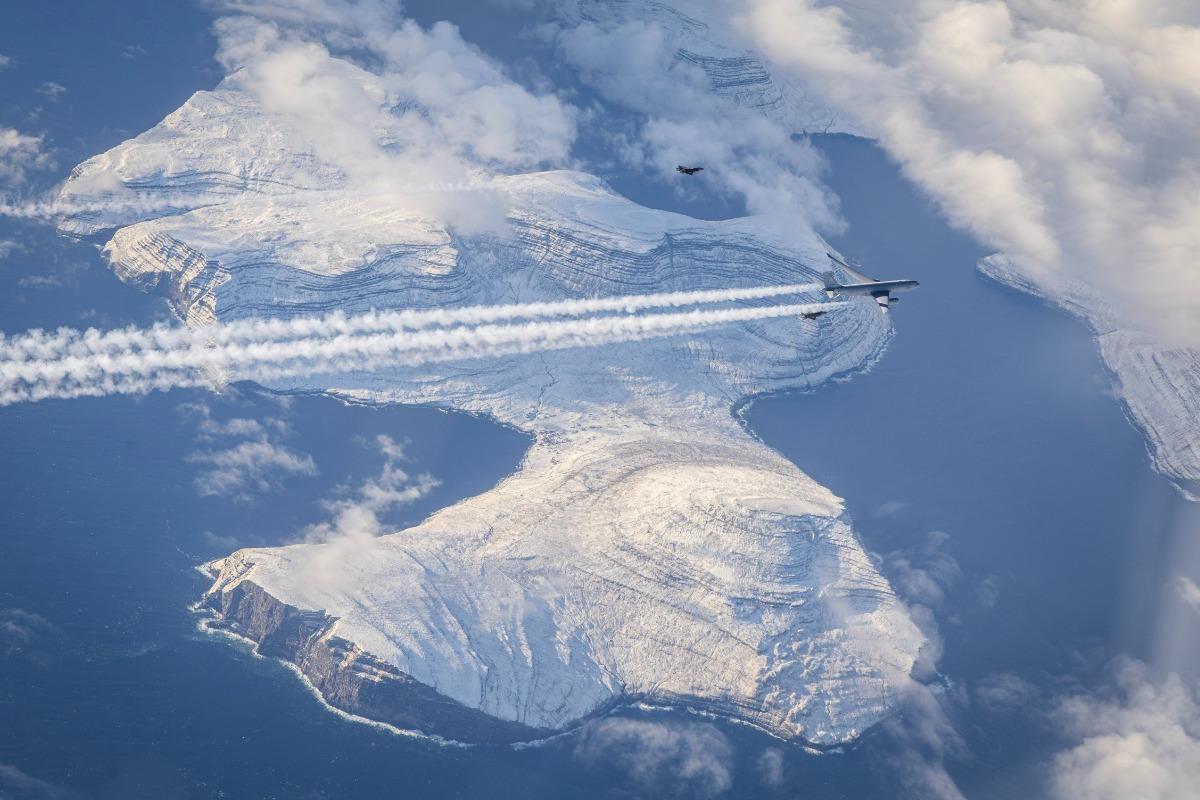
NATO has initiated a multi-domain operation named Arctic Sentry in response to increasing military activity from Russia and heightened interest from China in the Arctic region. This operation, which commenced on March 1, 2025, marks NATO’s third such mission in the past year, following the Baltic Sentry and Eastern Sentry operations.
The announcement was made on March 6, 2025, with NATO emphasizing the need for enhanced collective security in this strategically vital area. The NATO news release stated, “With Russia’s increasing military activity and China’s growing interest in the Arctic, Allies have agreed to do more.”
Arctic Sentry is spearheaded by the Joint Force Command Norfolk in Virginia, and aims to unify NATO and allied activities into a cohesive operational framework. This operation will encompass exercises such as Denmark’s Arctic Endurance and the upcoming Cold Response exercise, which is scheduled to take place in Norway from March 9 to March 19, 2025.
Heightened Military Presence
According to a NATO primer, Russia has significantly ramped up its military presence in the Arctic. The country has established a new Arctic command, reopened former Soviet-era military bases, and is developing new military capabilities, including advanced weapon systems. Additionally, the primer highlights that China’s increasing interest in the Arctic pertains to energy resources, critical minerals, and maritime routes, complicating the security landscape for NATO member states.
NATO Secretary General Mark Rutte stated in a press conference that the focus under Arctic Sentry will enable NATO to act more effectively. “We will not only be able to leverage what we are doing much more effectively and have a bigger impact, but we will also be able to assess which gaps there are,” he explained.
In recent months, NATO countries have engaged in various exercises, including joint drills that highlighted the intensifying military dynamics in the region. In one instance, U.S. destroyers from the Gerald R. Ford Carrier Strike Group conducted exercises in the Barents Sea while being monitored by Russian naval and aerial assets.
International Contributions to Arctic Sentry
Several NATO nations have pledged support for the Arctic Sentry operation. Sweden, which became a NATO member in 2024, announced it will deploy JAS 39 Gripen fighters around Iceland and Greenland. Swedish Prime Minister Ulf Kristersson emphasized that Sweden’s participation is crucial for the security of the Alliance territory. “The Arctic region is becoming increasingly important from a strategic perspective,” he noted.
Furthermore, Germany will contribute to the first phase of Arctic Sentry with four Eurofighter jets, along with air-to-air refueling capabilities, as stated by German Defense Minister Boris Pistorius. Denmark will also play a significant role, coordinating closely with Greenland and the Faroe Islands, as asserted by Danish Minister of Defense Troels Lund Poulsen.
Additionally, the United Kingdom has announced plans to double its troop presence in Norway, increasing from 1,000 to 2,000 personnel over the next three years. U.K. Defense Secretary John Healey remarked that “Russia poses the greatest threat to Arctic and High North security that we have seen since the Cold War,” highlighting the urgency of NATO’s enhanced presence in this critical region.
As NATO continues to adapt to the evolving geopolitical landscape, the Arctic Sentry operation represents a concerted effort to bolster security and deterrence in response to growing challenges in the High North.