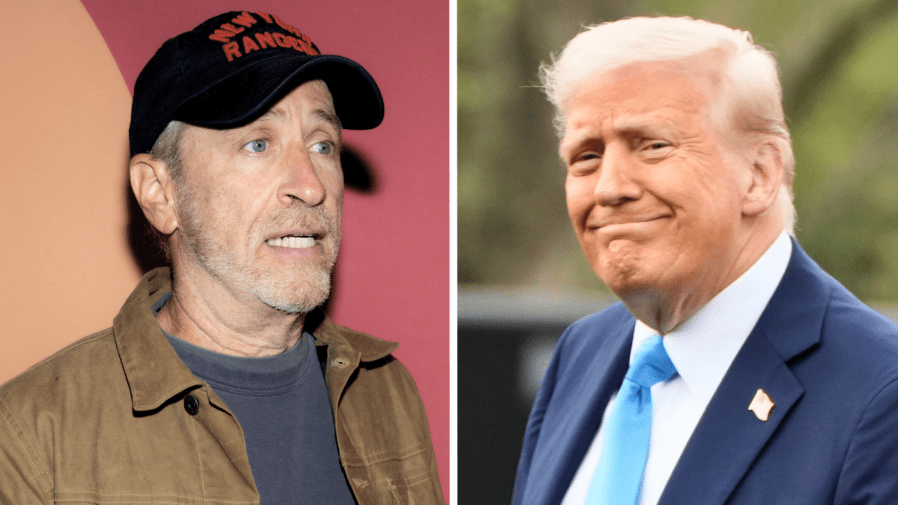
Jon Stewart, the former host of *The Daily Show,* made headlines with his recent commentary regarding the capture of Venezuelan President Nicolás Maduro. During his monologue on October 23, 2023, Stewart humorously suggested that President Donald Trump had initiated a “reverse ICE” operation to bring Maduro to the United States.
Stewart’s remarks came shortly after Trump announced that Maduro had been apprehended as part of what he described as a “large-scale operation.” The comedian quipped, “He was actually imported to a jail in Brooklyn,” drawing laughter from the audience. This satirical take highlights Stewart’s signature style, blending humor with political commentary.
Context of Maduro’s Capture
The announcement surrounding Maduro’s capture has stirred significant media attention. Trump characterized the operation as an essential step in addressing the ongoing political crisis in Venezuela, where Maduro has faced international condemnation for his authoritarian regime. The U.S. government has long accused Maduro of corruption and human rights violations, making his apprehension a notable event in U.S.-Latin American relations.
Stewart’s comments underscore the complexities surrounding the U.S. government’s actions in foreign affairs. By framing the situation in a comedic light, he encouraged viewers to reflect on the serious implications of such operations, as well as the often theatrical nature of political discourse.
Public Reactions and Implications
The public’s response to both Trump’s announcement and Stewart’s critique has been varied. Some viewers appreciated Stewart’s humor, seeing it as a necessary counterbalance to the gravity of the situation. Others, however, expressed concern over the implications of the U.S. taking such drastic measures against a foreign leader.
As the situation develops, the international community will be closely watching how this event influences U.S.-Venezuela relations and the broader geopolitical landscape. Trump’s comments and Stewart’s satire have ignited discussions about the ethical considerations of foreign interventions and the role of humor in political commentary.
The combination of serious political developments and Stewart’s humorous critique reflects the ongoing dialogue about leadership, accountability, and the intersections of entertainment and politics. As the story unfolds, it remains to be seen how these narratives will shape public sentiment and policy moving forward.