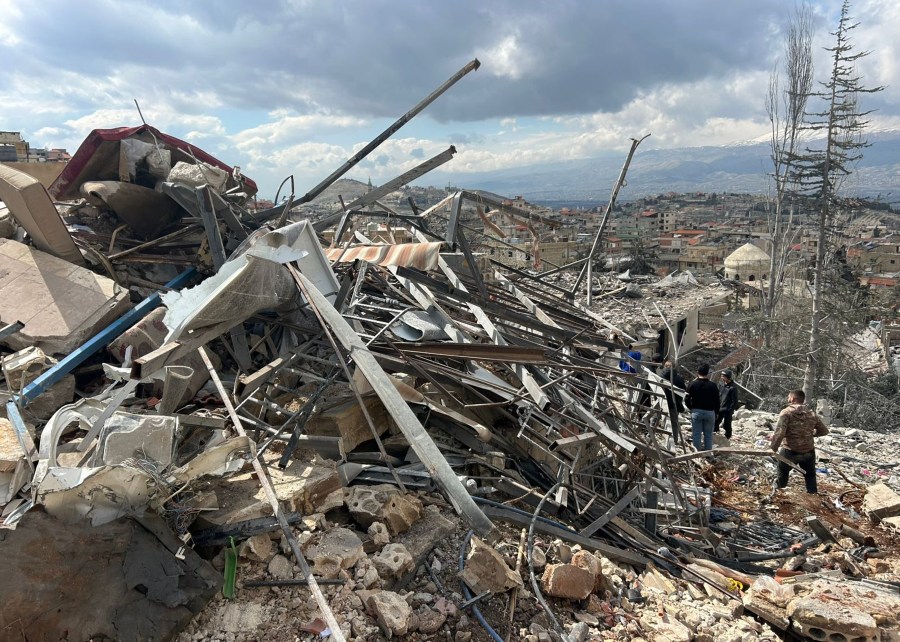
An Israeli military operation in eastern Lebanon aimed at uncovering information about a navigator missing for nearly 40 years resulted in significant casualties, with reports indicating dozens killed and many more wounded. The operation took place overnight, and according to the Israeli military, no remains or relevant evidence were discovered.
The search targeted information about the navigator, whose fate has been uncertain since he disappeared during a mission in the early 1980s. Despite the long-standing efforts to locate him, the recent military actions have raised concerns about the escalating violence in the region.
Details of the Operation
Israeli special forces entered Lebanon without prior notification, a move that has intensified tensions between the two countries. The military’s statement, released on Saturday, confirmed the absence of any findings related to the missing navigator but did not elaborate on the specific circumstances surrounding the operation.
The aftermath of the raid has left a profound impact on local communities. Casualties have surged, with local sources reporting that the violence has not only affected military personnel but also resulted in civilian injuries. This incident highlights the ongoing instability in the region, a situation that has been exacerbated by decades of conflict.
Reactions and Implications
The Israeli government’s decision to carry out such an operation has drawn criticism from various quarters, including human rights organizations and local leaders in Lebanon. Many are calling for accountability and urging both governments to de-escalate tensions to prevent further loss of life.
The search for the navigator underscores Israel’s continued military interest in past conflicts, which can have lasting repercussions on current geopolitical dynamics. The operation’s outcome may also influence future military strategies in the region, as both Israel and Lebanon navigate their complex historical relationship.
The situation remains fluid, with both countries on high alert. As investigations continue, the international community is closely monitoring developments, hoping for a resolution that prioritizes peace and stability in the region.