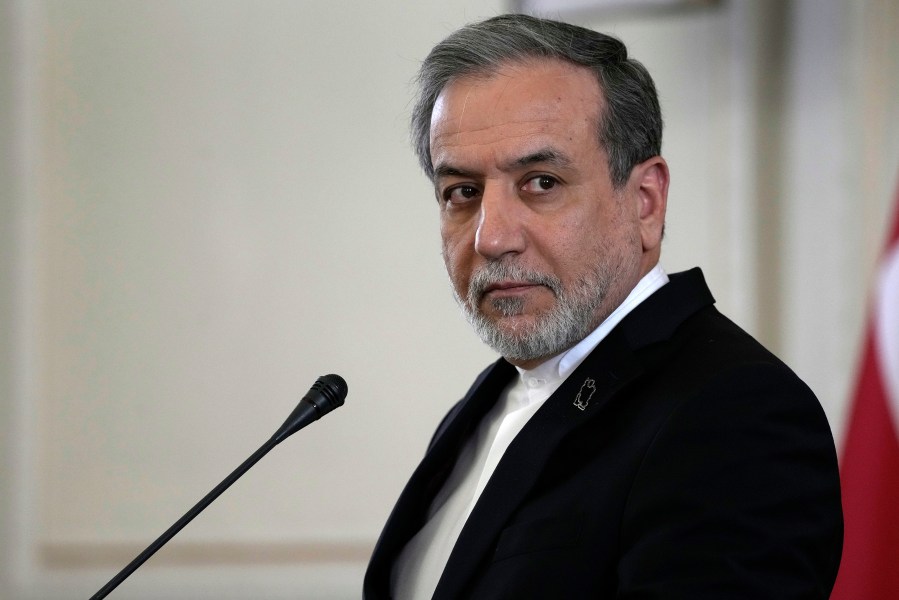
Iran’s Foreign Minister, Abbas Araghchi, emphasized the nation’s resilience and strength during a recent address, asserting that Iran’s power lies in its ability to reject the demands of major global powers, particularly the United States. This statement came shortly after discussions regarding Iran’s nuclear program and in the context of ongoing nationwide protests.
In his remarks delivered to diplomats in Dubai on March 17, 2024, Araghchi characterized Tehran’s position as one of unwavering defiance. He stated that Iran’s capability to “say no” has been a significant factor in its foreign policy and national strength. This hardline approach signals a clear stance against any perceived threats or pressures from foreign entities, particularly in light of recent negotiations that have failed to yield significant progress.
Araghchi’s comments are reflective of Iran’s broader strategy in dealing with international relations, especially as tensions surrounding its nuclear ambitions persist. The foreign minister highlighted that the current political climate, marked by protests against the government, does not weaken Iran’s resolve but rather strengthens its commitment to sovereignty and independence.
The backdrop of these statements includes significant civil unrest within Iran, where citizens have been vocal in their demands for change. These protests, which have been fueled by various socio-economic issues, present a complex challenge for the Iranian government. Despite the internal turmoil, Araghchi’s rhetoric suggests a firm belief in the legitimacy of Iran’s position on the global stage.
As negotiations with the United States concerning Iran’s nuclear program encounter obstacles, Araghchi’s assertions may indicate a deliberate strategy to rally domestic support while simultaneously projecting strength internationally. The Iranian leadership appears determined to maintain its stance despite external pressures, which could have implications for future diplomatic engagements.
The diplomatic landscape surrounding Iran’s nuclear pursuits remains contentious. The international community, particularly Western nations, continues to monitor Iran’s actions closely, as any significant developments could influence regional stability and global security dynamics. The outcome of these negotiations is uncertain, but Iran’s current leadership seems resolute in its approach, echoing a message of strength through defiance.
In summary, Foreign Minister Abbas Araghchi’s statements reinforce Iran’s commitment to a robust foreign policy that prioritizes national sovereignty over external influences. As the country grapples with internal challenges and international scrutiny, its leaders remain focused on asserting their power in the face of perceived threats.