Protests across Iran have become increasingly lethal, resulting in over 500 deaths since their inception. The demonstrations, which erupted against government oppression and economic hardship, pose a significant challenge to the Islamic Republic’s authority. In response, Iranian authorities are tightening their grip on dissent, aiming to suppress the movement that threatens their stability.
The unrest began in late 2022 following the death of Mahsa Amini, a young woman detained by the morality police. Her passing ignited widespread anger over the regime’s strict enforcement of dress codes and broader human rights violations. As protests spread to multiple cities, demands for systemic change grew louder, leading to a fierce crackdown by security forces.
Escalating Violence and Government Response
The Iranian government has employed increasingly violent measures to quell the protests, including the use of live ammunition, mass arrests, and internet blackouts. Reports indicate that security forces have targeted both demonstrators and bystanders, leading to a climate of fear. Human rights organizations have condemned these actions, highlighting the regime’s disregard for international law.
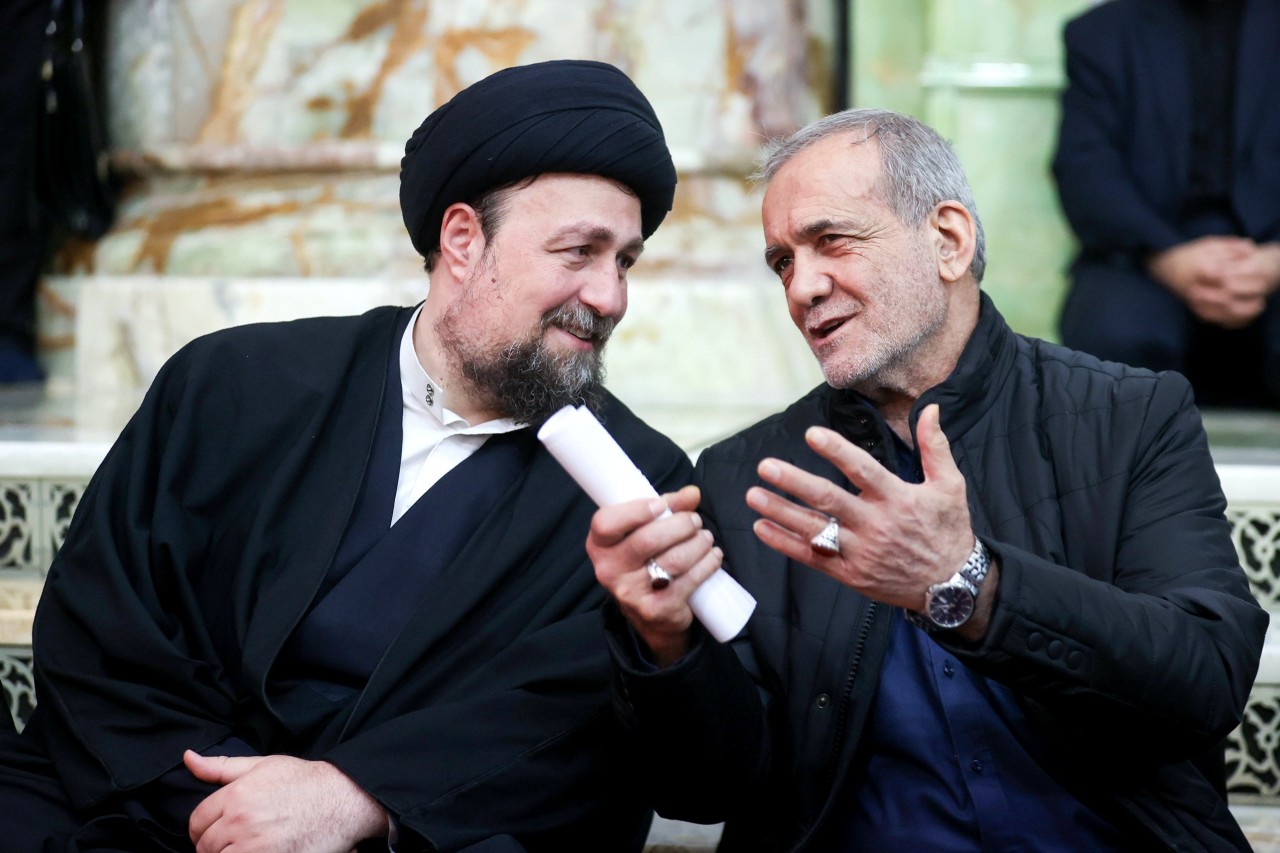
In March 2024, the authorities intensified their efforts, closing ranks among various branches of the government to present a united front. This strategic consolidation aims to deter further dissent and reassert control. The Iranian leadership has framed the protests as a foreign conspiracy, attempting to delegitimize the demonstrators and rally nationalist sentiments.
The international community has responded with concern. Various governments and human rights organizations have called for accountability and urged Iran to respect its citizens’ rights. The United Nations has expressed alarm over the escalating violence, emphasizing the need for an independent investigation into the reported human rights abuses.
Human Impact and Global Reaction
The toll of the protests extends beyond the immediate casualties. Families of victims are left to grapple with loss, while many others face imprisonment for their participation. The ongoing unrest has also led to widespread economic disruptions, exacerbating the existing hardships faced by ordinary Iranians.
Amidst the escalating situation, the global reaction has varied. Some nations have imposed sanctions on Iranian officials, while others have opted for diplomatic measures to address the crisis. The United States, for example, has reiterated its commitment to supporting the Iranian people in their quest for freedom and justice.
As protests continue and the regime’s response intensifies, the future remains uncertain. The Iranian authorities’ strategy of repression may temporarily silence dissent, but the underlying issues driving the protests are unlikely to dissipate. As history shows, movements for change often resurface, demanding attention until their voices are heard.
In this critical moment, the international community must remain vigilant, advocating for human rights and supporting those brave enough to stand against oppression in Iran.