In the wake of ongoing protests in Iran sparked by the death of Mahsa Amini, disturbing accounts have emerged regarding the treatment of individuals who lost their lives during the government’s violent crackdown. Witness testimonies and videos from Tehran’s largest cemetery, Behesht-e Zahra, reveal instances of disrespect towards the deceased, raising significant concerns about how authorities are managing the aftermath of the protests.
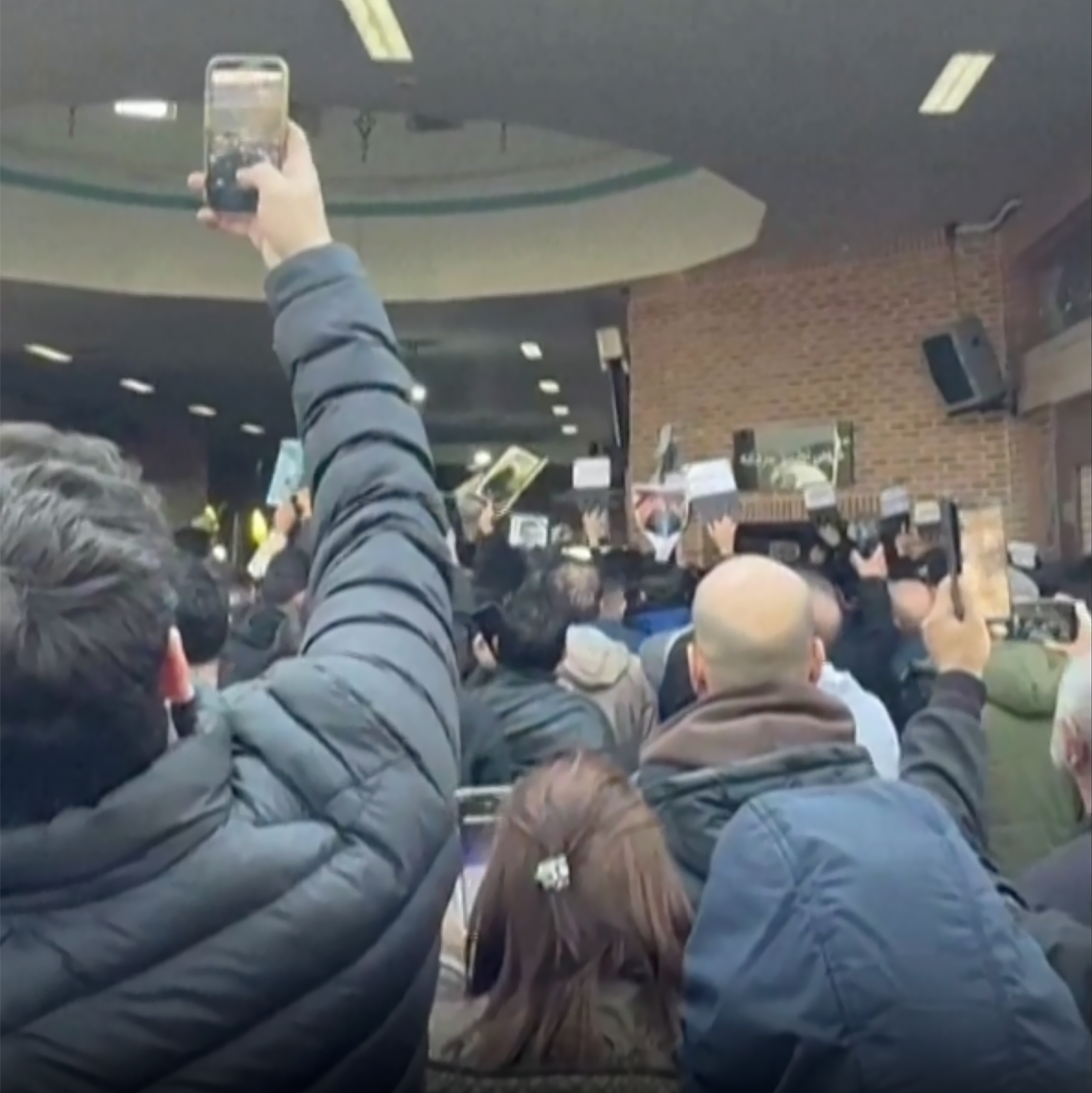
Reports indicate that many families have been denied the opportunity to mourn their loved ones properly. In several instances, bodies of victims have reportedly been returned to families in a state that suggests neglect and lack of dignity. Videos circulating on social media show mourners confronting officials at the cemetery, demanding answers and accountability. The treatment of these victims has sparked outrage among the public and human rights organizations alike.
Government Response and International Reaction
The Iranian government has faced widespread criticism for its handling of the protests and the subsequent treatment of the dead. According to Human Rights Watch, the authorities have not only suppressed protests but also sought to control the narrative surrounding those who died. Families have reported that they were pressured to refrain from public displays of grief or to limit the number of attendees at funerals.
International organizations, including the United Nations, have condemned the government’s actions. UN officials have called for an independent investigation into the deaths and the treatment of the deceased, emphasizing the need to uphold human rights standards. The situation has put additional pressure on the Islamic Republic, which is already facing scrutiny over its human rights record.
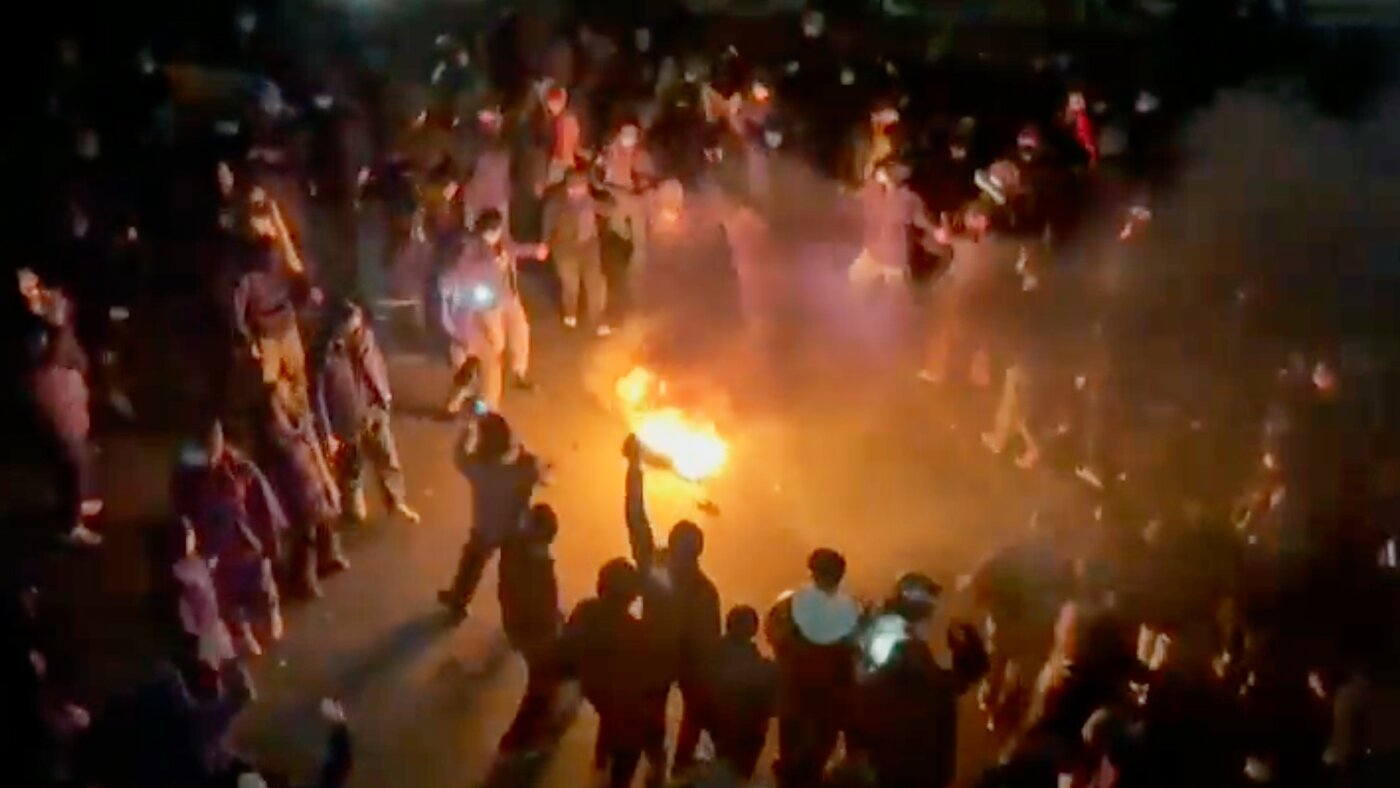
The protests, which began in September 2022 following Amini’s death while in police custody, have continued to escalate. Demonstrations have erupted across the nation, with calls for systemic change and greater freedoms. The government’s response has often included severe crackdowns that have resulted in numerous fatalities.
Witness Accounts and Documentation
Eyewitnesses at Behesht-e Zahra have described harrowing scenes where families were met with hostility when trying to honor their loved ones. One individual recounted how officials demanded the removal of memorials and banners that expressed support for the deceased. Videos captured by mourners show confrontations with security personnel as families attempt to lay flowers or light candles in memory of the victims.
The treatment of the deceased has been characterized as part of a broader strategy by the Iranian authorities to intimidate and silence dissent. The Islamic Republic has historically used heavy-handed tactics to quell uprisings, and the current situation appears to follow this pattern. Human rights advocates argue that such actions not only violate the rights of individuals but also reflect a deep-seated culture of impunity within the regime.
As these revelations continue to unfold, the global community watches closely. Activists emphasize the importance of documenting these abuses to ensure accountability and justice for the victims. The ongoing protests in Iran are not just a fight for reform but also a struggle for dignity in life and death.
The situation remains fluid, with ongoing protests and calls for change echoing throughout the country. As families confront the aftermath of loss, the treatment of victims continues to resonate as a symbol of the broader struggle for human rights in Iran.