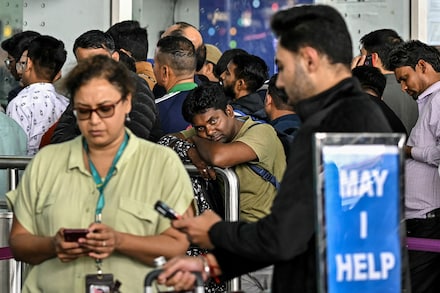
The Indian aviation industry is facing a critical challenge as concerns over pilot fatigue have come to the forefront, highlighting systemic issues that have persisted for years. Recent incidents involving delayed flights and operational disruptions have prompted scrutiny of the working conditions faced by pilots, particularly during demanding schedules that require them to operate multiple night flights.
One pilot, who is 40 years old and operates short-haul routes, described the toll that irregular hours take on her well-being. She is often required to fly three short-haul night flights over two consecutive nights, making it difficult to recuperate before her daytime shifts. “I often lie awake worrying about my health,” she shared, reflecting a broader sentiment among her peers about the mental and physical strain of their roles.
Rising Concerns for Safety and Well-being
As the aviation sector continues to rebound from the pandemic, the Civil Aviation Authority of India has reported an increase in flight delays and cancellations, often attributed to crew fatigue. According to the International Air Transport Association (IATA), these operational challenges could compromise safety standards, with pilots experiencing heightened levels of exhaustion that can impair performance.
The situation has prompted calls for reforms in pilot scheduling practices. Many industry leaders argue that a reevaluation of flight time limitations and rest requirements is essential to protect not only the well-being of pilots but also the safety of passengers. The current regulations, which dictate maximum flying hours, are often seen as insufficient given the demands of modern air travel.
Industry Response and Future Implications
In response to the growing crisis, the aviation sector is considering potential adjustments to regulations governing pilot duties. Stakeholders are advocating for policies that would ensure adequate rest periods and a more balanced workload for pilots, particularly during peak travel times.
The need for such changes has become increasingly urgent as the industry navigates the complexities of recovery. With air travel demand rebounding, the pressure on pilots to meet operational demands has intensified. As one pilot noted, “The industry needs to take our concerns seriously before it leads to a serious incident.”
The unfolding situation in India serves as a critical reminder of the vital role that pilot well-being plays in aviation safety. As the industry grapples with these challenges, the focus on reforming pilot fatigue management will be essential in safeguarding the future of air travel in the country.