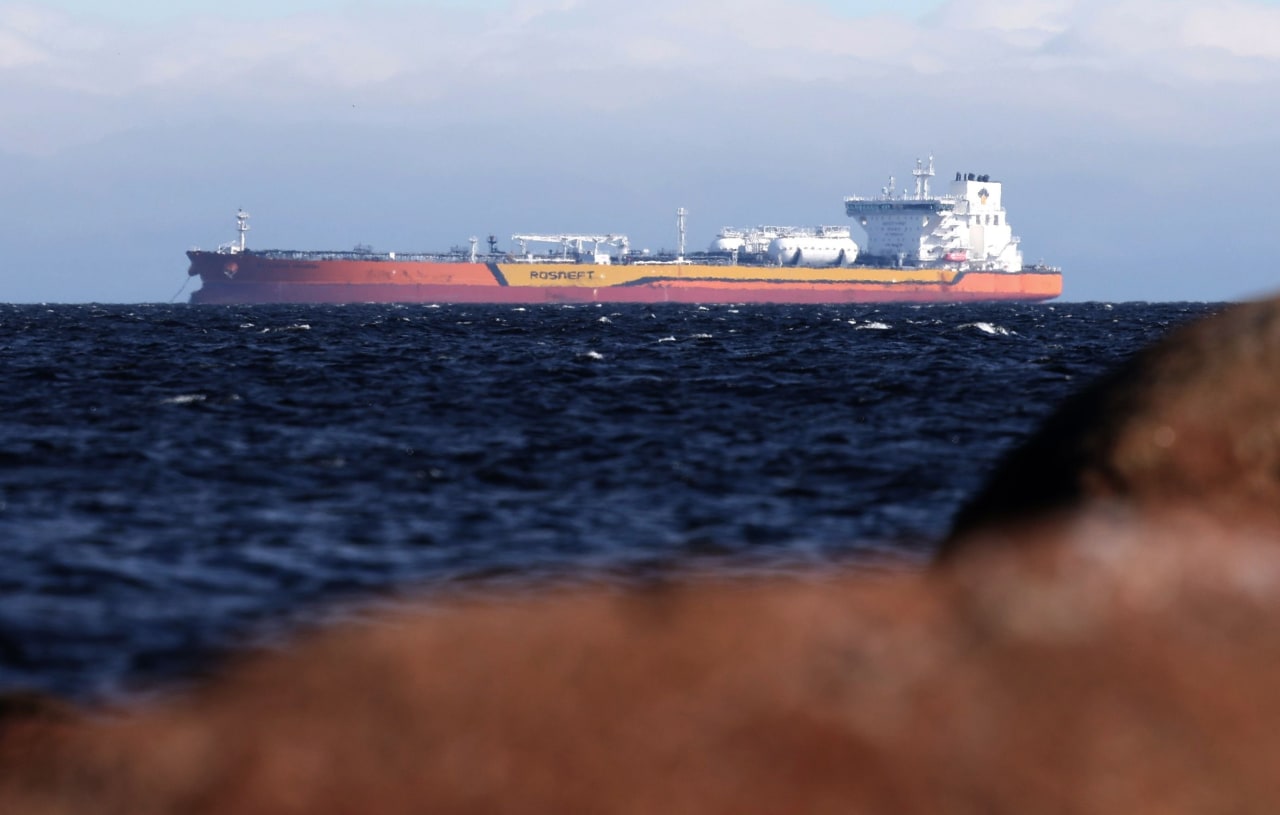
The European Union has imposed new sanctions on two prominent Russian oil traders, intensifying its efforts to disrupt the clandestine oil market that has provided significant funding for Moscow’s military actions in Ukraine. This decisive move aims to target key players in the oil trade who have been instrumental in circumventing previous sanctions.
The sanctions specifically target Igor Sechin, the head of Rosneft, and Vladimir Bogdanov, the CEO of Transneft. Both individuals have been accused of facilitating the flow of Russian oil to international markets, thereby sustaining the revenue that supports the ongoing conflict. According to EU officials, this action is part of a broader strategy to undermine the financial resources available to the Kremlin.
The EU’s latest measures come as the bloc seeks to reduce its dependence on Russian energy. In 2022, the EU imported approximately €20 billion worth of oil from Russia, a figure that has steadily decreased due to earlier sanctions. The recent sanctions are expected to further diminish this reliance, as European nations grapple with the dual challenge of energy security and geopolitical stability.
Impact on Global Oil Markets
The sanctions are likely to disrupt global oil markets, particularly affecting prices and supply chains. Analysts suggest that the actions against Sechin and Bogdanov will lead to increased volatility in oil prices, which have already been influenced by factors such as OPEC production cuts and geopolitical tensions.
Furthermore, the EU’s commitment to enforcing these sanctions highlights the bloc’s resolve to hold Russia accountable for its actions in Ukraine. In a statement, Josep Borrell, the EU’s High Representative for Foreign Affairs, emphasized that the sanctions are intended to “hit those who are profiting from the war” and reinforce the EU’s stance on supporting Ukraine.
While the sanctions target individuals, their broader implications may also affect other stakeholders in the oil trade. Companies that have been operating in compliance with EU regulations may find themselves under increased scrutiny as the bloc seeks to ensure adherence to the sanctions. This heightened vigilance may lead to a re-evaluation of existing contracts and partnerships within the energy sector.
Responses and Reactions
The response from the Russian government has been swift, with officials denouncing the sanctions as “illegitimate.” The Kremlin has vowed to protect its economic interests and support its oil industry in the face of external pressures. In a recent statement, Dmitry Peskov, the Kremlin spokesperson, characterized the sanctions as a form of economic warfare.
International observers are closely monitoring the situation, as the sanctions could escalate tensions between Russia and the West. The move may also influence countries that have been hesitant to impose sanctions on Russia, as they weigh the potential economic ramifications against the geopolitical landscape.
In summary, the EU’s targeted sanctions against key figures in the Russian oil trade mark a significant escalation in its efforts to weaken Moscow’s financial capabilities amid the ongoing conflict in Ukraine. As the situation develops, the impact on global oil markets and international relations will continue to unfold.