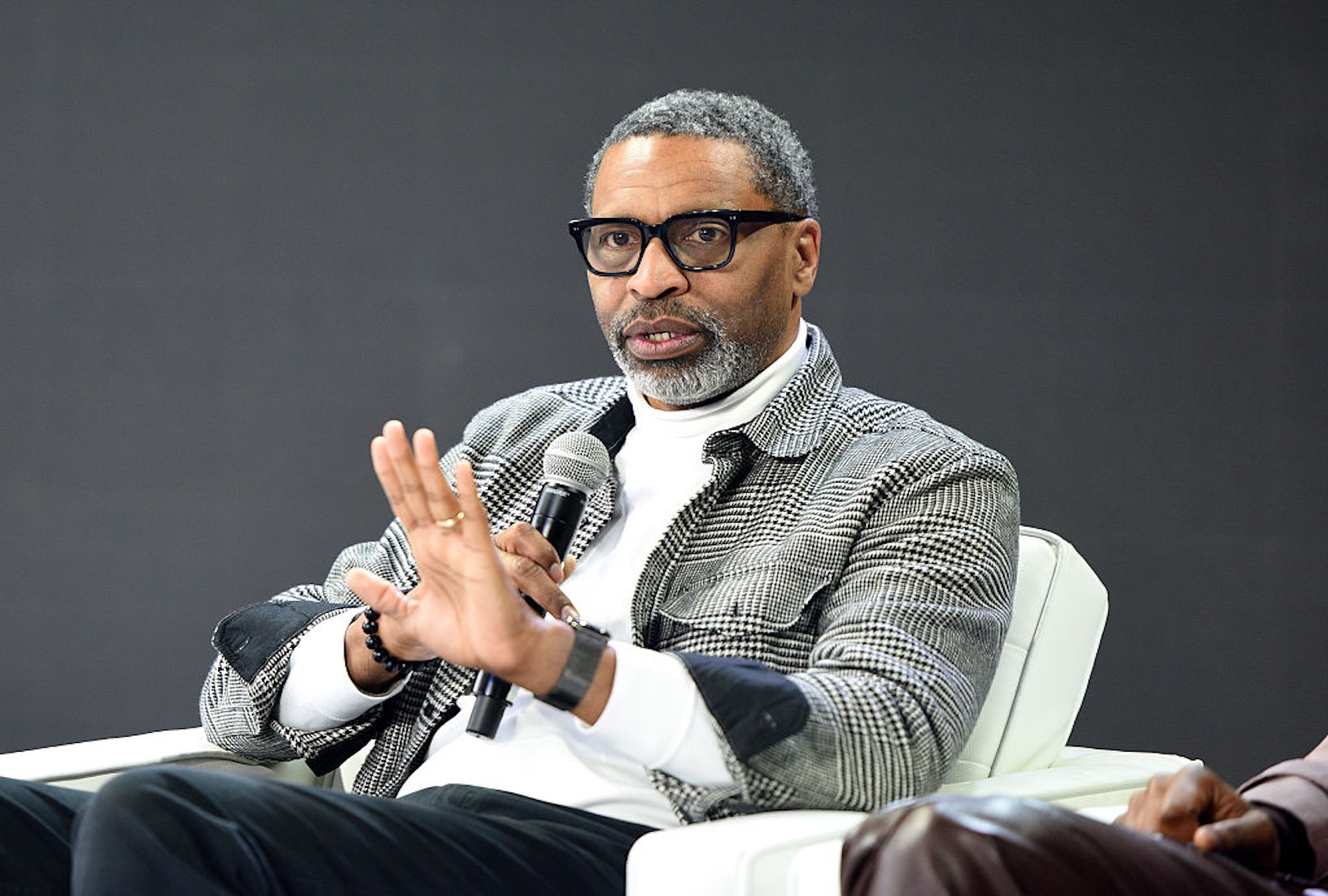
February 2024 marks a somber moment for Black History Month, as the legacy of the Civil Rights Movement faces significant challenges under the current political climate. Derrick Johnson, president and CEO of the NAACP, asserts that the Trump administration is systematically undermining the progress achieved by civil rights advocates. This erosion of democratic principles raises serious concerns about the trajectory of American society, drawing parallels to the oppressive eras of the Gilded Age and Jim Crow.
In a recent conversation, Johnson expressed his deep concern over the implications of the current administration’s actions, stating, “The Civil Rights Movement is the most successful pro-democracy movement in American history — and it provides a roadmap for how Trumpism can be defeated.” He emphasized that efforts to erase this history reflect a profound vulnerability within the administration itself.
As Johnson noted, the advancements in technology stand in stark contrast to the regression in civil liberties. He remarked on the unsettling reality that, while society witnesses rapid technological progress, these same tools are being weaponized to curtail freedoms and suppress democratic participation.
Understanding the intersection of race and class has become vital during these tumultuous times. Johnson explained, “Race is a tool that is used to maintain domination and control in this society. If you can sell a narrative to white Americans that their struggles stem from Black and brown people, you distract from the real issues affecting all working-class citizens.” This manipulation of racial dynamics serves to maintain a status quo that ultimately harms all marginalized groups.
Johnson highlighted the precarious state of being American today, pointing to alarming trends in law enforcement and civil rights. In Minneapolis, for example, warrantless searches are being conducted, and federal agents have targeted citizens exercising their constitutional rights. “The Constitution applies to everyone,” he asserted, emphasizing that due process should not depend on one’s immigration status.
The NAACP plays a crucial role in advocating for civil rights amidst rising authoritarianism. Johnson explained that the organization is focused on mobilizing voters for the upcoming elections. African Americans constitute approximately 13% of the U.S. population yet historically have cast only 11% of ballots in recent elections. Increasing voter turnout is essential to ensure that the voices of African Americans are heard in the political sphere.
The NAACP is also actively involved in legal battles to defend voting rights. Johnson noted the recent actions taken by the Trump administration, including efforts to seize voter rolls under the guise of combating non-existent voter fraud. He described this as a strategic move to manipulate electoral outcomes, particularly in key states, thereby threatening the integrity of American democracy.
Johnson criticized the current administration’s approach to civil rights enforcement, stating that the civil rights division of the Department of Justice has been repurposed to defend the rights of white individuals against perceived “reverse discrimination.” This shift represents a troubling departure from the original goals of the Civil Rights Movement.
Addressing the mobilization of Americans in response to federal actions, Johnson observed that events in Minneapolis, particularly the killing of George Floyd, ignited widespread protests. “When the victims are people who look like you, it becomes more real,” he explained, highlighting how personal connection can spur collective action.
To those participating in protests, Johnson urged perseverance. “Stay the course. It could be your community tomorrow,” he cautioned, stressing that the tools of oppression do not discriminate by legal status. He encouraged individuals to find their roles within the movement, whether on the front lines or through supportive actions such as logistical assistance.
Looking ahead, Johnson emphasized the need for renewed energy in American democracy, comparing political engagement to a marathon. “We need to build up the confidence of Americans across all communities that they actually do have agency and power to effect positive change,” he stated. With about 60% of eligible voters participating in elections, he argued that higher turnout is critical for a healthy democracy.
As Black History Month unfolds, Johnson reflects on its significance. He sees it as a time to honor the successes of the past while recognizing the ongoing struggles for justice. “Black America is a victorious community,” he affirmed, expressing optimism for the future despite the current challenges. Drawing inspiration from civil rights veterans, he is confident that collective efforts will lead to a better outcome for the nation.
In a democratic society, every voice matters, and the ongoing struggle for civil rights remains a central tenet of American identity. As Johnson and the NAACP continue to advocate for change, the call for unity and action resonates throughout the country.