Former Secretary of State Hillary Rodham Clinton has voiced strong opposition to the mass deportation policies of the Trump administration, particularly in light of recent events in Minneapolis. In an essay published in the Atlantic, Clinton described the situation as revealing a “deep moral rot” within Trump’s movement. She expressed concern for the compassion shown towards affected families and the children separated from their parents during these operations.
Clinton’s remarks followed the tragic deaths of Alex Pretti, a nurse killed by Border Patrol agents while providing aid at a protest, and Renee Good, underscoring the human cost of current immigration enforcement practices. She drew a parallel between the actions of Pretti and the biblical figure of the Good Samaritan, emphasizing the moral imperative to care for those in need.
“Our country is facing dark days. To rekindle our light, we must reject cruelty and corruption,” Clinton concluded, urging a shift in the national discourse surrounding immigration.
This call to action is echoed by other prominent Democratic figures, including former Presidents Barack Obama and Joe Biden, as well as former First Lady Michelle Obama, who have criticized the administration’s handling of immigration. The recent events have placed Congressional Democrats at a crossroads: will they take a stand against the current policies, or will they retreat to a more compromising stance?
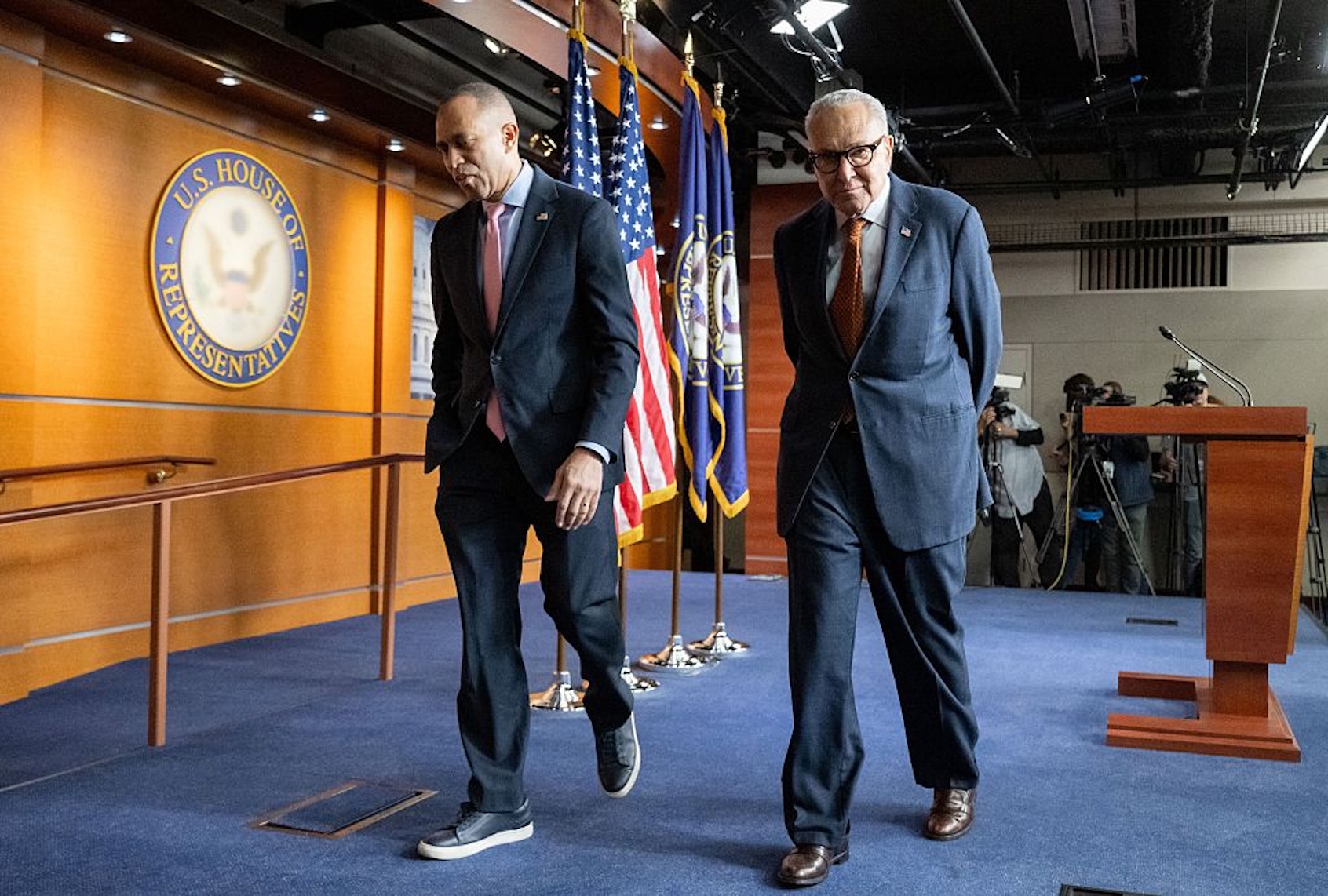
Democratic leadership appears to be gaining resolve. Over the last week, Senate Minority Leader Chuck Schumer and House Minority Leader Hakeem Jeffries have utilized the threat of a government shutdown to leverage changes within the Immigration and Customs Enforcement (ICE) framework. Senate Democrats recently agreed to a two-week extension of funding for the Department of Homeland Security, which oversees ICE and Border Patrol. However, as of now, the House has yet to pass the legislation, leading to a partial government shutdown since March 16, 2024.
According to House Speaker Mike Johnson, a vote is expected soon, but with the slim Republican majority and a more aggressive stance from House Democrats, the outcome remains uncertain. Schumer’s approach aims to compel Republicans to agree to essential reforms, such as implementing a universal code of conduct for federal law enforcement and banning the use of masks by officers.
House Democrats have taken a firmer stance, proposing to prohibit ICE operations within the United States and to halt the federal detention and deportation of American citizens. Jeffries articulated the inconsistency of current practices with constitutional values, stating, “In what country are we living in where ICE and DHS have free rein to detain and deport American citizens?”
The Democratic narrative around immigration presents a compelling moral tale for voters, contrasting the extremism of the Trump administration with the values of democracy. Public sentiment appears to favor the Democrats’ position, with various polls indicating that a majority of Americans oppose mass deportation efforts. Notably, nearly half of the populace, including about 20% of Republicans, supports significant restrictions on ICE.
The urgency of this issue is underscored by personal accounts, such as that of Patty O’Keefe, a Minneapolis resident who described her traumatic experience with ICE. Her testimony highlighted the distressing reality of individuals detained and the emotional toll it takes on families and communities.
Democratic leaders must heed these sentiments as they navigate the complexities of the upcoming midterm elections. A recent CNN/SSRS poll revealed that only 28% of registered Democrats believe their leadership is adequately opposing Trump, with 71% feeling the party has done too little to counter his actions.
Should Congressional Democrats fail to take decisive action against ICE’s practices, they risk alienating their base and the broader electorate. As political commentator Jonathan Freedland warns, a lack of assertiveness could result in a loss of momentum that benefits the Trump administration’s agenda.
The pivotal decisions made in the coming weeks could determine not only the direction of immigration policy but also the integrity of American democratic values as the nation approaches the midterms. The challenge lies in whether Democrats will prioritize ethical governance over political expediency, thereby reaffirming their commitment to the principles that underpin the nation’s democratic life.