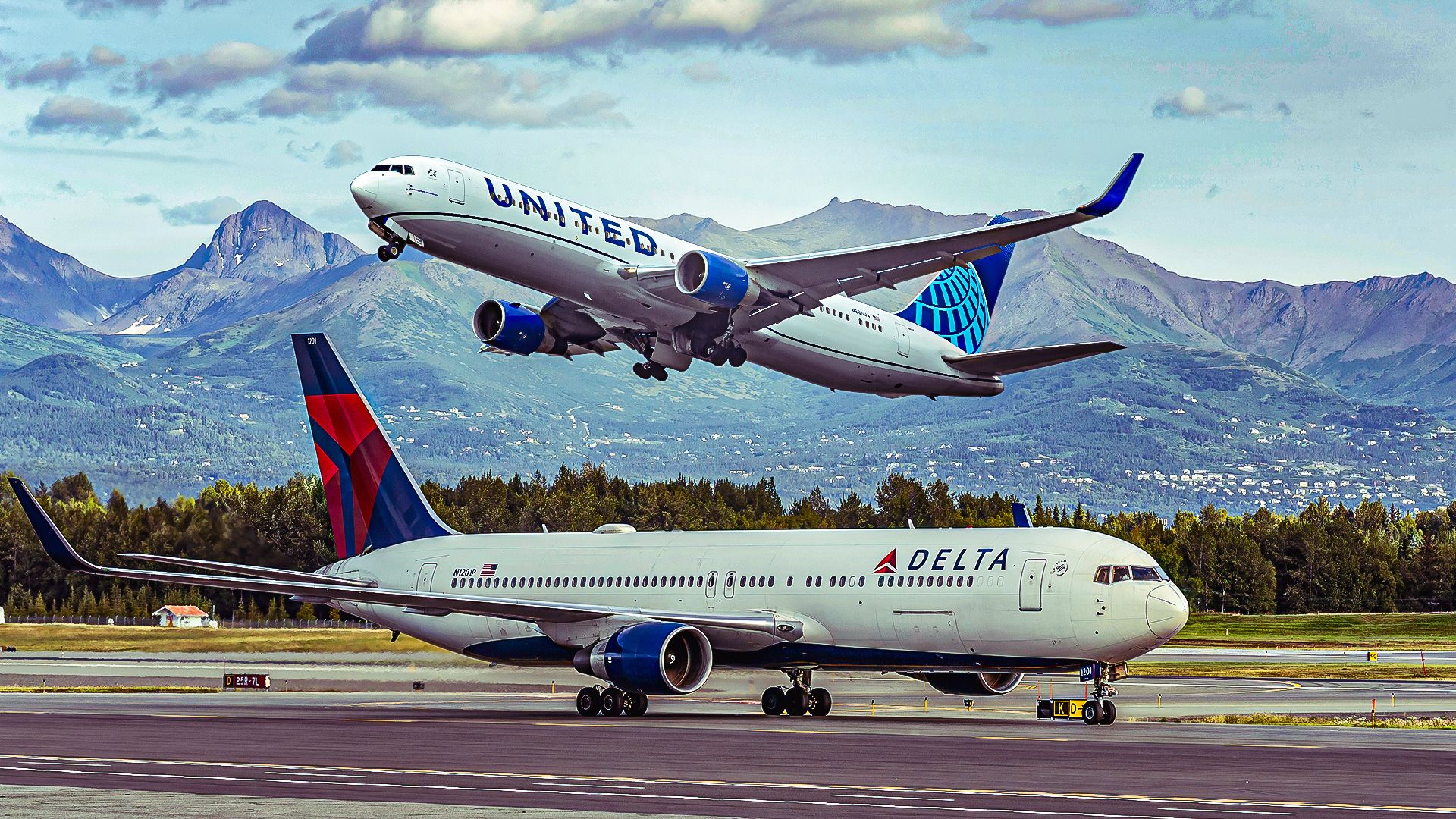
Frequent travelers often seek elite status with airlines to enhance their flying experience. Both Delta Air Lines and United Airlines offer loyalty programs that provide benefits such as priority boarding, access to lounges, and potential seat upgrades. The decision to focus travel on one of these airlines hinges on understanding their loyalty programs and the pathways to achieving elite status. This article examines the differences between Delta’s Medallion program and United’s MileagePlus Premier system, focusing on how travelers can best navigate these options to earn rewards.
Understanding Delta Medallion and United Premier
Delta Air Lines and United Airlines are among the largest carriers globally, each with its own approach to customer loyalty. Delta’s SkyMiles Medallion program emphasizes a spending-based model, primarily using Medallion Qualification Dollars (MQDs) as its qualifying currency. In contrast, United’s MileagePlus Premier system combines spending with flight count, incorporating both Premier Qualifying Flights (PQFs) and Premier Qualifying Points (PQPs).
Delta’s focus on premium services caters to high-spending business travelers. The Medallion program rewards loyalty by integrating benefits that enhance the travel experience. Passengers can accumulate MQDs not only through flights but also through certain credit card expenditures, particularly with eligible American Express cards. This creates an accessible pathway for many to achieve elite status.
United Airlines, a member of the Star Alliance, offers a more flexible approach, allowing travelers to qualify through a mix of flights and spending. Their dual system requires customers to balance PQFs and PQPs, which can complicate the qualification process. Both programs feature tiered benefits, but the critical difference lies in how travelers earn their status.
Benefits and Challenges of Elite Status
The elite status offered by these airlines serves multiple purposes. It encourages loyalty by providing perks that are not uniformly available to all passengers, thus incentivizing repeat bookings even when competitors offer lower fares. Additionally, the status schemes promote higher-yield bookings, pushing travelers towards more lucrative fare options over basic economy tickets.
United’s program requires a minimum of four United-operated flights to qualify, which adds an additional layer of complexity for those who might consider accumulating status solely through credit card spending. This focus on flight frequency is designed to ensure that frequent travelers remain engaged with the airline’s services.
In contrast, Delta’s MQD system allows for easier accumulation of qualifying dollars through a variety of non-flying activities. For example, travelers can achieve substantial MQD boosts by utilizing Delta American Express cards, making it simpler for many to reach the required thresholds.
Delta’s Medallion program has clearly defined thresholds for status, with Silver requiring $5,000 in MQDs, Gold at $10,000, Platinum at $15,000, and Diamond at $28,000. Each tier offers progressively enhanced benefits, which are attractive to travelers seeking comfort and convenience.
United’s Premier program, while offering more flexibility, involves navigating its dual currency system. For example, to achieve Silver status in 2026, travelers need to meet either 15 PQFs and $5,000 PQP or simply reach $6,000 PQP on its own. This system allows for multiple pathways to elite status, but it can be challenging for travelers to track.
Which Status is Easier to Achieve?
For many airline travelers, achieving Delta Medallion status is often simpler due to the ability to reach significant MQD targets through credit card spending. This streamlined approach allows passengers to achieve status without extensive flying, making it a preferred choice for those who may not frequently travel long distances.
In contrast, United Airlines’ complexity can be a barrier for some. Although it provides more options for accruing status, the necessity of flying a minimum number of segments on United’s aircraft can hinder those who rely heavily on credit card spending alone.
Ultimately, while Delta’s Medallion program tends to be more accessible for the average traveler, United’s Premier status may still appeal to high-frequency travelers who prefer the airline’s offerings. Understanding the nuances of each program can help travelers make informed decisions about where to concentrate their loyalty and spending for the best travel experience.