ConocoPhillips is navigating significant hurdles as it attempts to return to Venezuela, a country rich in oil reserves. The company faces not only a challenging political and economic landscape but also the aftermath of a high-profile kidnapping incident involving its former executives. This situation underscores the complexities of re-entering the Venezuelan market, estimated to be worth $12 billion.
Former U.S. President Donald Trump has encouraged oil companies to explore opportunities in Latin America, with the intention of bolstering energy independence. Despite this push, analysts indicate that the barriers for ConocoPhillips are considerably elevated. The company’s prior experience in Venezuela, marked by nationalization in 2018, has left a lasting impression on its operations and strategy.
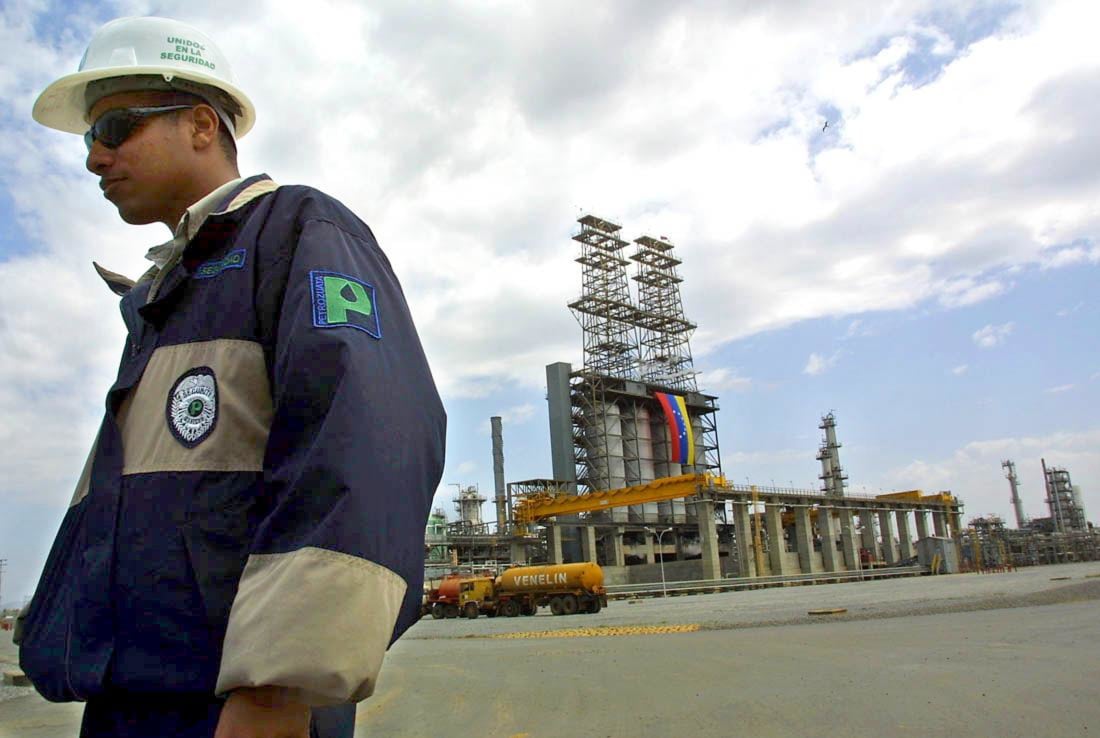
The political climate in Venezuela remains fraught with instability, largely driven by the actions of the government under President Nicolás Maduro. ConocoPhillips, which previously had a significant presence in the region, exited after the Venezuelan government seized its assets. The Petróleos de Venezuela, S.A. (PDVSA) is currently grappling with declining production and financial challenges, complicating any potential negotiations for a return.
In recent developments, the kidnapping of several individuals linked to ConocoPhillips has raised alarms within the industry. The incident has highlighted the security risks associated with operating in Venezuela. The U.S. Department of State has issued warnings regarding travel to Venezuela, citing the country’s high rates of violent crime and political unrest. This caution adds another layer of complexity to ConocoPhillips’ plans as it weighs the potential rewards against the inherent risks.
The company is reportedly in discussions with Venezuelan officials, seeking to clarify its past claims and the possibility of compensation for lost assets. However, the path to re-establishing itself in Venezuela is fraught with uncertainty. The intricacies of negotiating with a government that has historically demonstrated hostility towards foreign companies pose a significant challenge.
As ConocoPhillips contemplates its next steps, the broader energy landscape is shifting. The global demand for oil remains strong, with many countries looking to Latin America as a critical supplier. Yet, the potential for partnerships in the region is tempered by geopolitical tensions and local economic conditions.
In conclusion, the prospect of ConocoPhillips returning to Venezuela is not merely a business decision; it is intertwined with the political, social, and economic fabric of the country. As the company evaluates its options, the implications of its return could resonate throughout the industry, impacting both its future and the landscape of energy production in Venezuela.