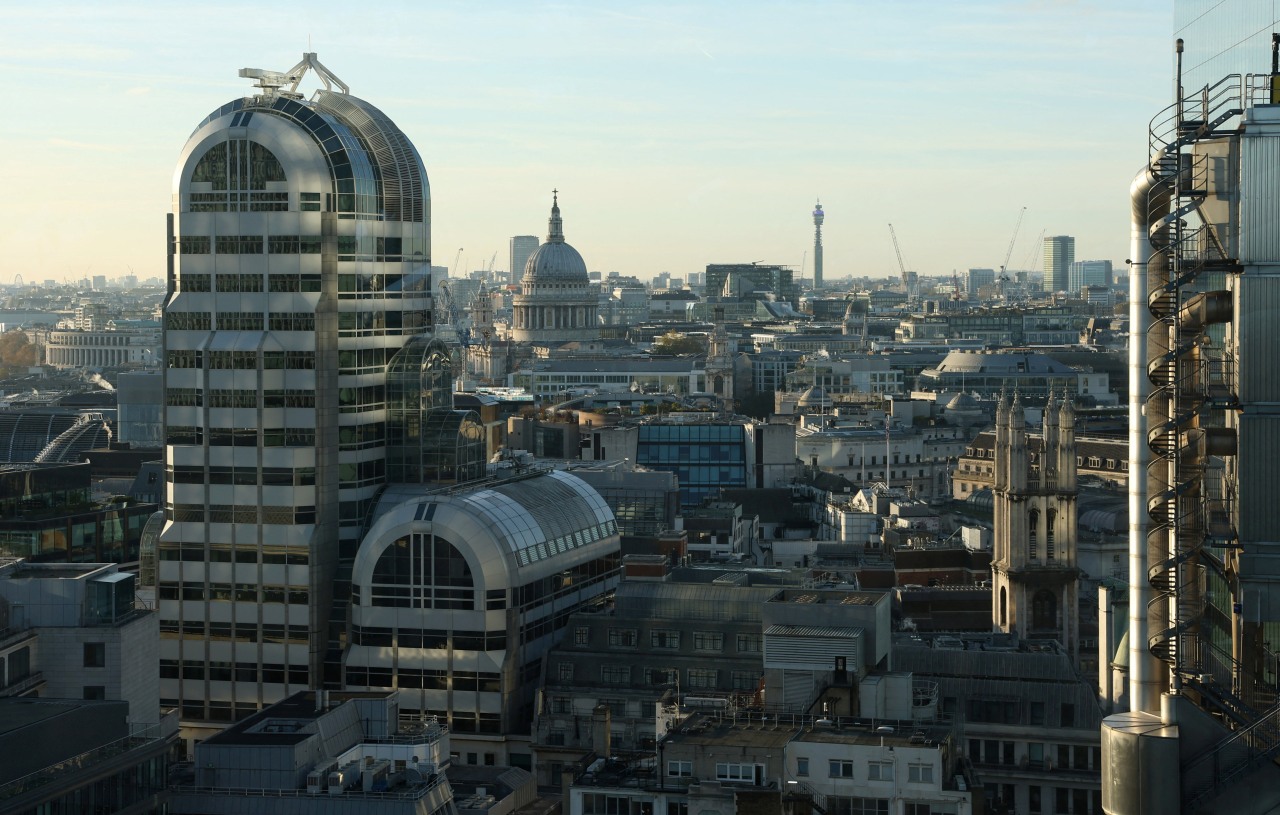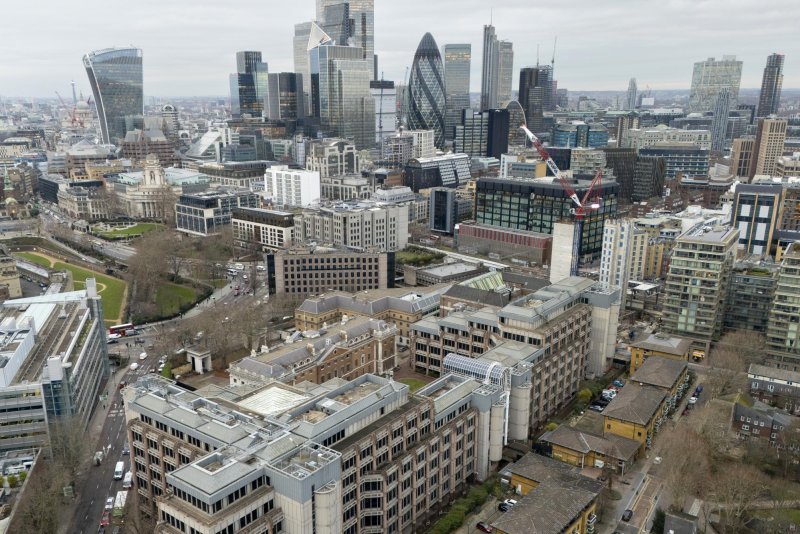
The British government has granted permission for a new 215,000-square-foot Chinese embassy in central London, concluding a seven-year planning process. This decision, announced on January 20, 2024, has sparked significant controversy and opposition from local residents and political figures, who express concerns over potential threats to national security and the rights of Chinese dissidents living in the UK.
The new embassy will be located near the City of London, close to critical underground fiber-optic networks. Critics argue that this location could facilitate Chinese espionage and surveillance activities, particularly targeting individuals who have sought asylum in Britain due to political persecution. The project consolidates seven separate diplomatic sites into one location, raising concerns about the potential for protests and increased traffic disruption in the area.
Communities Secretary Steve Reed defended the decision, stating that consultations with the domestic and foreign intelligence agencies revealed no significant security concerns. “No bodies with responsibility for national security have raised concerns or objected to the proposal,” Reed said, underlining that both the Home Office and Foreign Office supported the initiative. He added that the owners of the underground cables had also not expressed any issues related to the embassy’s proximity.
Despite Reed’s assurances, the Royal Mint Court residents’ association announced plans to pursue a judicial review of the approval. Mark Nygate, treasurer of the residents’ group, emphasized their determination to challenge the decision, citing fears for their community’s safety and well-being.
Reed has dismissed the potential legal challenge, asserting that ethical objections should not influence planning decisions. He emphasized that national security assessments are the responsibility of intelligence agencies, not the planning process. Nonetheless, he acknowledged that a successful challenge in court could delay the project further.
This embassy decision coincides with an anticipated visit to Beijing by Prime Minister Keir Starmer, marking the first trip by a British leader to China since 2018. The relationship between the UK and China has soured recently, particularly following the introduction of a controversial national security law in Hong Kong.
Political reactions to the embassy approval have been sharply critical. The opposition Conservative Party, which initially granted diplomatic-level approval for the project in 2018, condemned the current government’s decision. Shadow communities secretary James Cleverly labeled it a “disgraceful act of cowardice,” arguing that national security should be a top priority for any government.
Similarly, shadow foreign secretary Priti Patel accused Starmer of compromising national security in favor of diplomatic ties with China, referring to the embassy as a “colossal spy hub” in the heart of London. The Liberal Democrats and Reform U.K. also criticized the government’s actions, claiming they pose a serious risk to the UK’s national security interests.
The new embassy, which will be China’s largest globally, includes living accommodations for 200 staff members, expansive office space, and significant underground infrastructure. The site, previously home to protected buildings and residential areas, was acquired by the Chinese government for $339 million in 2018.
As the situation develops, the implications of this decision will likely continue to unfold, with local residents and political opponents committed to challenging the establishment of this mega embassy in central London.