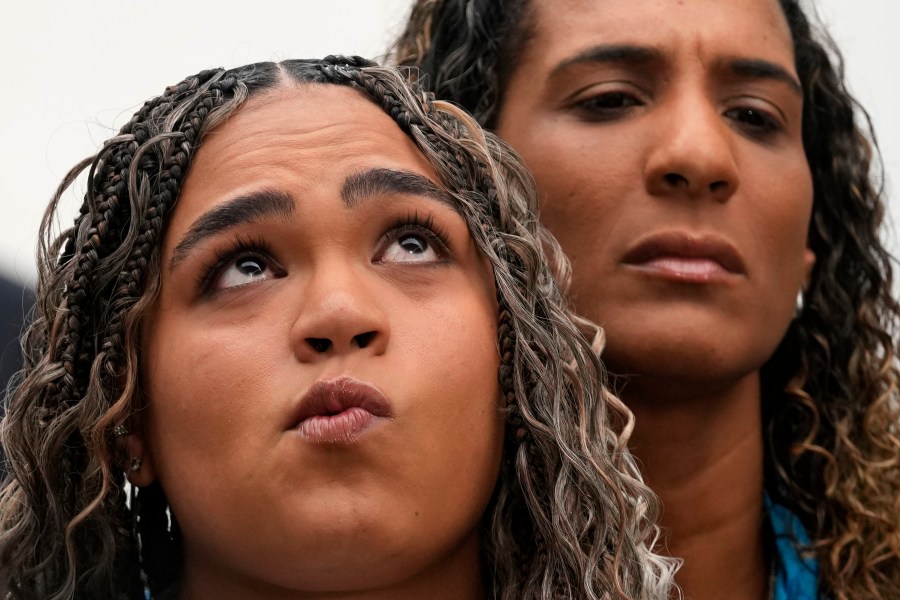
The trial of suspects accused in the 2018 assassination of Rio de Janeiro councilwoman Marielle Franco and her driver officially commenced on March 5, 2024, in Brazil’s Supreme Court. This high-profile case has attracted international attention, highlighting the ongoing challenges to human rights and social justice in Brazil.
Marielle Franco, a vocal advocate for the marginalized communities in Brazil, was killed in a brazen attack that shocked the nation and sparked protests worldwide. Her death is widely viewed as a significant blow to the fight for equality and justice, making her a symbol of resistance against systemic violence and oppression.
The defendants in this case, Ronnie Lessa and Elcio Vieira de Queiroz, face charges of murder, conspiracy, and firearm offenses. They are accused of orchestrating the ambush that led to Franco’s death on March 14, 2018. The trial is expected to shed light on the circumstances surrounding the assassination and the broader implications for political figures in Brazil who advocate for human rights.
As the proceedings unfold, Franco’s supporters and human rights organizations are closely monitoring the trial. They emphasize the importance of accountability for those behind the murder, which they believe is crucial for the protection of social activists in Brazil. According to the Human Rights Watch, the case exemplifies the dangers faced by politicians who challenge the status quo, especially in a country grappling with widespread violence and corruption.
The trial is being held in a context marked by ongoing debates about public safety and governance in Brazil. The country has seen a significant increase in violence against political figures and human rights defenders in recent years. This trial could serve as a pivotal moment in addressing such violence and fostering a safer environment for activists.
In the courtroom, the atmosphere is tense as attorneys present evidence and witness testimonies that may reveal the motivations and connections behind the assassination. Legal experts suggest that the outcome of this trial could have far-reaching implications for Brazil’s political landscape and the rule of law.
Franco’s legacy endures in the hearts of many who continue to advocate for her vision of a more just society. The trial not only seeks justice for her death but also serves as a reminder of the ongoing struggle for human rights in Brazil and beyond. As the world watches, the hope remains that accountability will prevail, and the voices of marginalized communities will be heard.