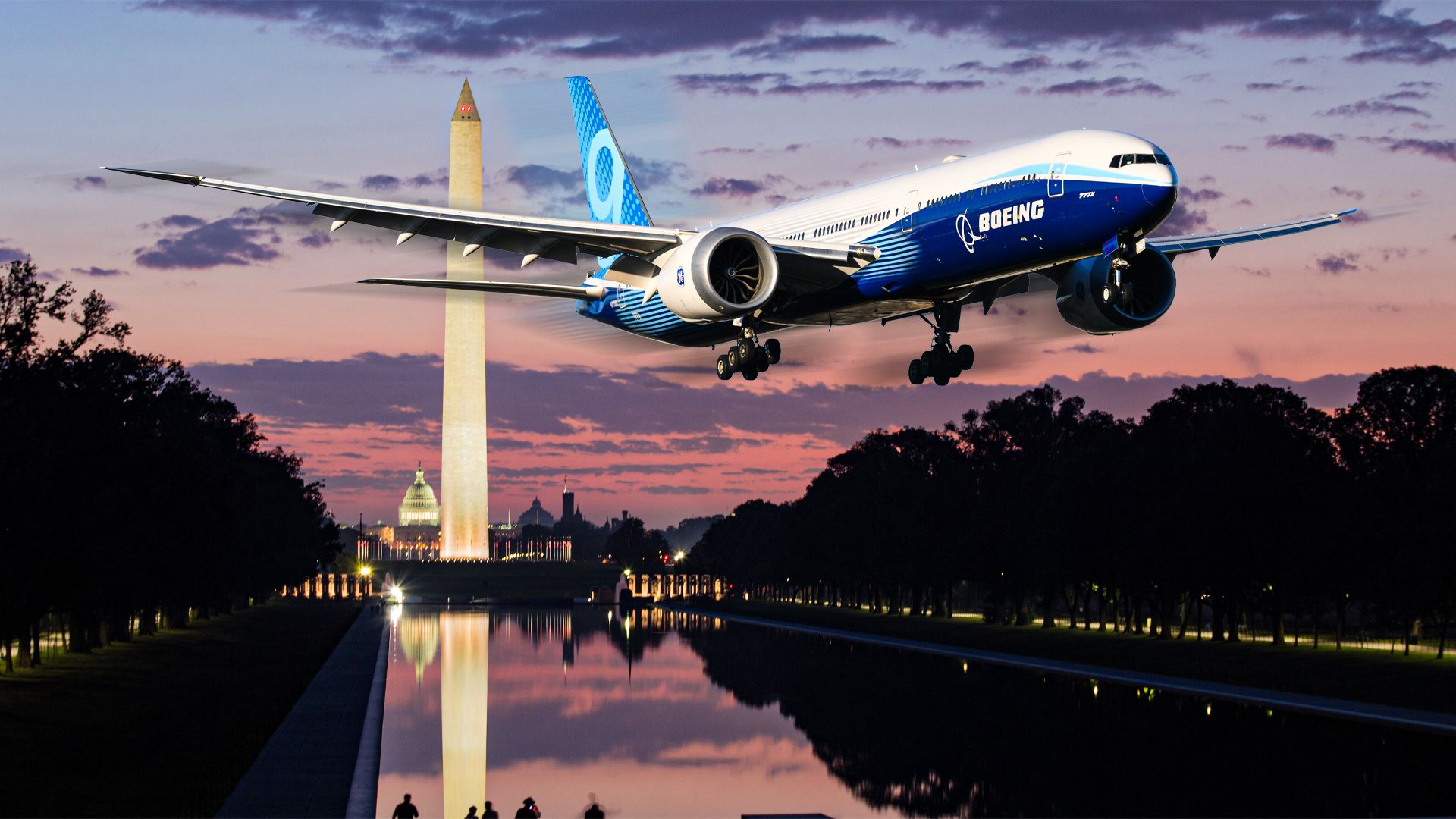
Boeing is currently navigating a challenging path as it seeks to secure certification for its long-delayed 777X aircraft. After more than a decade of development, the program remains in testing, raising concerns among stakeholders in the U.S. aviation industry, including regulators and airline customers. The critical certification process is facing significant bottlenecks, which could hinder the aircraft’s entry into commercial service.
Understanding the 777X Program
The Boeing 777X is a key evolution of the well-established 777 widebody family. Designed to be the largest and most efficient twin-engine aircraft ever produced, it includes two passenger variants—the 777-8 and the larger 777-9—along with a freighter version known as the 777-8F. This aircraft incorporates advanced technologies from the Boeing 787, including a composite wing with folding wingtips that allow for compatibility with existing airport gates. The engines, General Electric’s GE9X, are the largest commercial aircraft engines ever developed, promising substantial improvements in fuel efficiency and operating costs.
Since its first flight in January 2020—delayed from previous schedules—the 777X program has encountered numerous setbacks, including technical issues and regulatory scrutiny. Originally expected to enter service in 2020, projections now suggest that the aircraft may not be operational until **2027**, a delay of approximately **seven years** from initial plans. Despite these challenges, Boeing has secured over **600 orders** for the 777X from various global airlines, with **Emirates** being the largest customer, having ordered **270** aircraft.
Impact of Regulatory Changes
Concerns about certification delays are rooted in significant regulatory changes implemented after the **Boeing 737 MAX** crisis. Following two fatal accidents involving the MAX in 2018 and 2019, the U.S. government revised the aircraft certification process to enhance safety and oversight. The **Aircraft Certification Reform and Accountability Act**, passed in **2020**, introduced stringent requirements for safety analysis and oversight, particularly for aircraft derived from existing models like the 777X.
These changes have resulted in a more prolonged and complex certification process. The **Federal Aviation Administration (FAA)** now requires more in-depth scrutiny, which includes a comprehensive review of design modifications and testing data. Consequently, even minor technical issues can trigger additional testing requirements, complicating the approval timeline significantly.
The certification process is not merely a single event but a series of stages, culminating in the critical Type Inspection Authorization (TIA). This step allows FAA pilots and engineers to engage directly in flight testing, ensuring that the aircraft meets safety and performance standards under realistic conditions. For the 777X, this phase has proven particularly challenging, as unresolved design issues can delay the start of TIA or interrupt testing.
Technical Challenges and Their Consequences
Emerging technical issues during the testing phase have also contributed to certification anxieties. Over the last few years, Boeing has had to pause flight testing multiple times due to engineering problems. Notably, cracks were found in a structural link connecting the engine to the wing, prompting a grounding of test aircraft for further investigation. More recently, potential concerns regarding seals within the engine system have emerged, necessitating additional analysis and potential design changes before proceeding with certification.
These technical challenges, while perhaps minor in isolation, collectively impact the certification timeline. Modifying any component typically leads to further testing and documentation requirements, which can create a backlog of regulatory work. As the FAA prioritizes safety, any delays could further extend the timeline for commercial service.
The Broader Economic Implications
The implications of these certification delays extend beyond Boeing, affecting the entire U.S. aviation industry. As a significant exporter, Boeing plays a crucial role in the aerospace sector, where widebody aircraft like the 777X represent high-value products supporting numerous jobs across manufacturing and engineering sectors. Delays in certification can disrupt supply chains and workforce planning.
Airlines globally are closely monitoring the 777X program as they plan their future fleets. Major carriers, including long-standing Boeing customers like **All Nippon Airways** and **Singapore Airlines**, have placed orders for the aircraft to replace aging fleets and expand capacity on long-haul routes. Each delay forces these airlines to reconsider their fleet strategies and may compel them to extend the operational life of older aircraft.
Additionally, competition from Airbus remains a pressing concern for Boeing. The European manufacturer’s **A350** family has already made substantial inroads into the long-haul market, and prolonged delays for the 777X could grant Airbus a more significant advantage in the widebody segment.
Future Outlook for Boeing
As Boeing continues to address the testing and certification challenges facing the 777X, the coming years will be critical. The company must navigate a complex regulatory environment while managing technical issues to bring its next-generation widebody aircraft into commercial service. With the stakes high and significant financial pressures looming, the progress of the 777X program will be closely observed by the entire aviation industry.
Boeing remains committed to advancing testing and production preparations, but the ability to overcome these hurdles will ultimately determine the future of the 777X and its significance in the competitive landscape of commercial aviation.