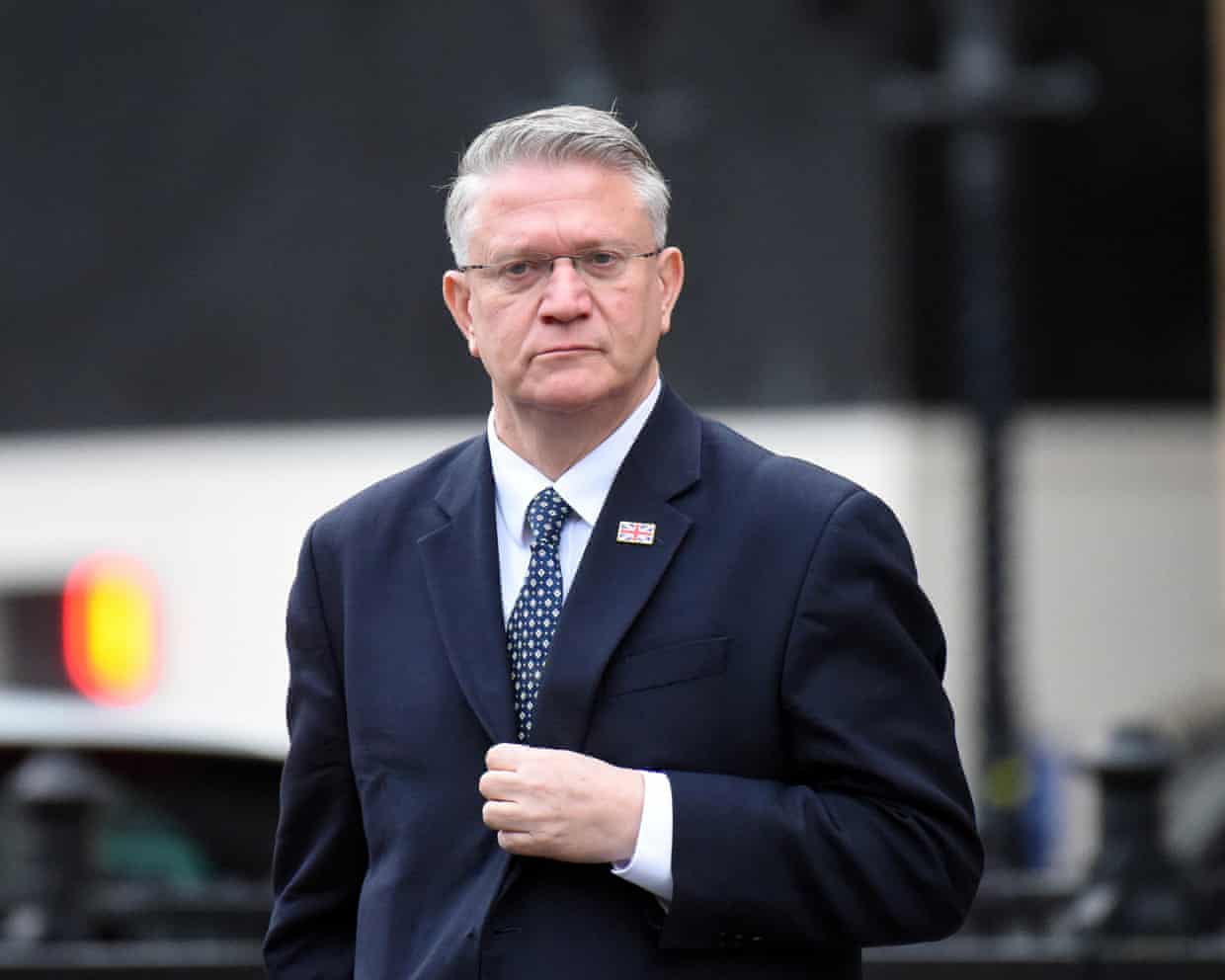
Conservative MP Andrew Rosindell has officially joined Reform UK, marking a significant shift in his political allegiance. Representing Romford since 2001, Rosindell announced his decision via a post on social media platform X. He expressed that his initial inspiration to join the Conservative Party at the age of 14 stemmed from the principles championed by former Prime Minister Margaret Thatcher. However, he believes it is now essential to “put country before party.”
In his statement, Rosindell highlighted his disappointment with the Conservative Party’s performance while in government and its failure to effectively hold the current government accountable regarding the issue of Chagossian self-determination. He emphasized that this represents a “clear red line” for him.
Since entering parliament, Rosindell has been a vocal advocate for the Chagossian people’s right to self-determination, asserting that they should be the ones to decide the future sovereignty of the Chagos Islands. He lamented that his concerns have largely been ignored by both government and opposition parties.
The recent failure of Conservative peers to vote against the British Indian Ocean Territory Bill at its third reading earlier this month, following directives from party leadership, further fueled his decision to defect. He stated, “Regrettably, these concerns have fallen on deaf ears. Both the government and the opposition have been complicit in the surrender of this sovereign British territory to a foreign power.”
Rosindell, aged 59, articulated a growing disillusionment with the Conservative Party, claiming it is “irreparably bound to the mistakes of previous governments” and is reluctant to take meaningful accountability for its decisions. He noted that the concerns of his constituents in Romford have been persistently overlooked.
His defection to Reform UK adds to a list of recent departures from the Conservative Party, including notable figures such as Robert Jenrick and Nadhim Zahawi. This trend reflects a broader discontent within the party and raises questions about its future trajectory as more members align with alternative political movements.
As the political landscape continues to evolve, Rosindell’s departure may signal further unrest within the Conservative ranks and could impact future party dynamics leading up to upcoming elections.