Africa is experiencing a significant transformation as advancements in artificial intelligence (AI) propel the continent towards enhanced healthcare, agriculture, and economic growth. With an increasing number of initiatives and investments, various sectors are beginning to leverage AI technology to improve efficiency and outcomes.
The African Development Bank (AfDB) has reported that the continent’s investment in AI-related technologies is projected to exceed $10 billion by 2025. This investment is not only crucial for economic development but also for addressing pressing challenges in public health and food security. According to the World Bank, the integration of AI solutions can potentially increase agricultural productivity by up to 30% in the next decade.
AI’s Impact on Healthcare
In the healthcare sector, AI is being utilized to enhance patient outcomes and streamline operations. Countries like Nigeria and Kenya are leading the way with AI-driven platforms that assist in diagnosing diseases, managing patient data, and predicting outbreaks. The United Nations has highlighted the potential of AI to reduce healthcare costs and improve access to medical services, particularly in rural areas.
A notable example is the partnership between the Kenyan government and technology firms to implement AI systems that analyze medical images for early detection of diseases such as tuberculosis and cancer. This initiative has already demonstrated a 20% increase in diagnosis accuracy, which can significantly impact patient survival rates.
Transforming Agriculture with Technology
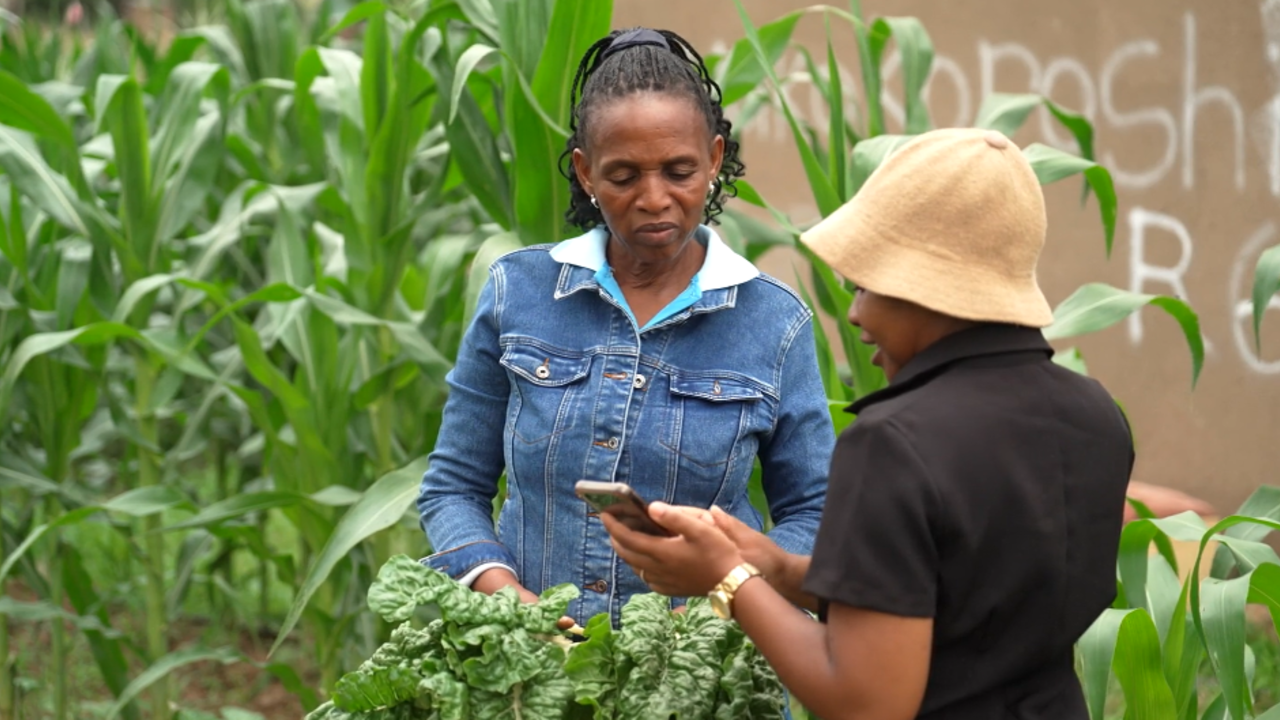
Agriculture, a cornerstone of Africa’s economy, is also seeing revolutionary changes thanks to AI. The technology helps farmers optimize crop yields by analyzing soil health, weather patterns, and market trends. For instance, in South Africa, AI-driven platforms are enabling farmers to make data-informed decisions, leading to improved productivity and sustainability.
The AfDB has initiated various programs aimed at promoting AI in agriculture, focusing on smallholder farmers who make up a large portion of the agricultural workforce. These programs aim to provide access to AI tools, training, and resources necessary for farmers to adapt to changing climates and market demands. The expected outcome is an increase in food security across the continent.
Investment in AI technology also presents economic opportunities beyond the agricultural sector. The emergence of tech hubs in cities like Nairobi and Lagos is fostering innovation and entrepreneurship. These hubs are attracting venture capital, with reports indicating that investments in African tech startups reached $4.5 billion in 2022, a significant increase from previous years.
As Africa continues to embrace AI, international collaboration will play a crucial role in maximizing its benefits. Partnerships with established tech companies and educational institutions can facilitate knowledge transfer and capacity building. Such collaborations can empower local talent and drive sustainable growth.
In conclusion, Africa’s journey towards leveraging AI for transformative change is marked by promising developments in healthcare, agriculture, and economic resilience. With ongoing investments and a commitment to innovation, the continent is positioning itself as a significant player in the global technology landscape. The next few years will be critical in determining how effectively these advancements can be harnessed to improve the lives of millions across Africa.