UPDATE: President Volodymyr Zelenskyy has just announced a sweeping overhaul of Ukraine’s national security leadership, naming Kyrylo Budanov, the head of military intelligence, as the new chief of staff. This urgent decision comes in the wake of a corruption scandal that led to the resignation of former chief of staff Andriy Yermak.
In his address overnight, Zelenskyy emphasized the need for a “substantial overhaul” to bolster Ukraine’s defense capabilities. He has also proposed Mykhailo Fedorov, the vice prime minister, to take over as the new defense minister. “More decisions will follow,” he added, indicating that this is just the beginning of significant personnel changes.
This leadership shake-up is crucial at a time when Ukraine is navigating sensitive negotiations with the United States regarding a potential ceasefire with Russia. The appointment of Budanov to the presidential office signals an effort to enhance focus on security issues and diplomatic negotiations, as Ukraine prepares for the possibility of upcoming elections.
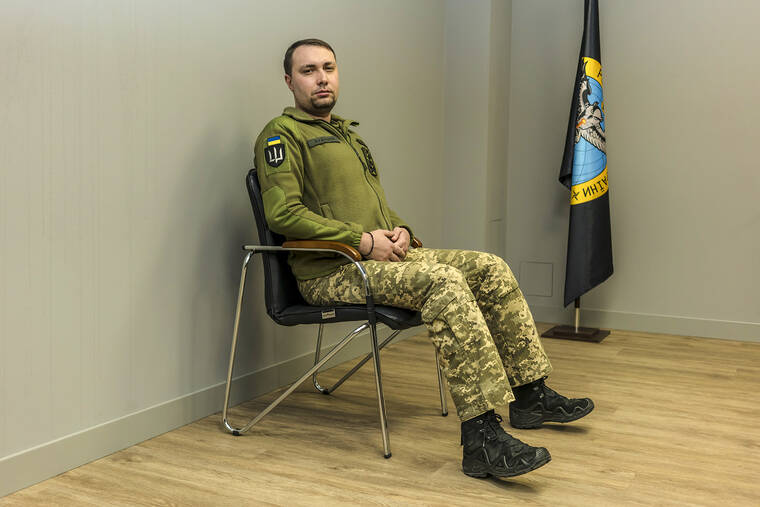
Budanov, 39, has been a prominent figure in Ukraine’s military strategy and is known for his bold tactics. His move to the presidential office comes after a critical period of speculation about who would fill the void left by Yermak, who resigned amid allegations of embezzlement linked to the state nuclear power company.
“Kyrylo has specialized experience in these areas and sufficient strength to deliver results,” Zelenskyy stated in a social media post, underscoring the importance of Budanov’s expertise as Ukraine faces ongoing challenges.
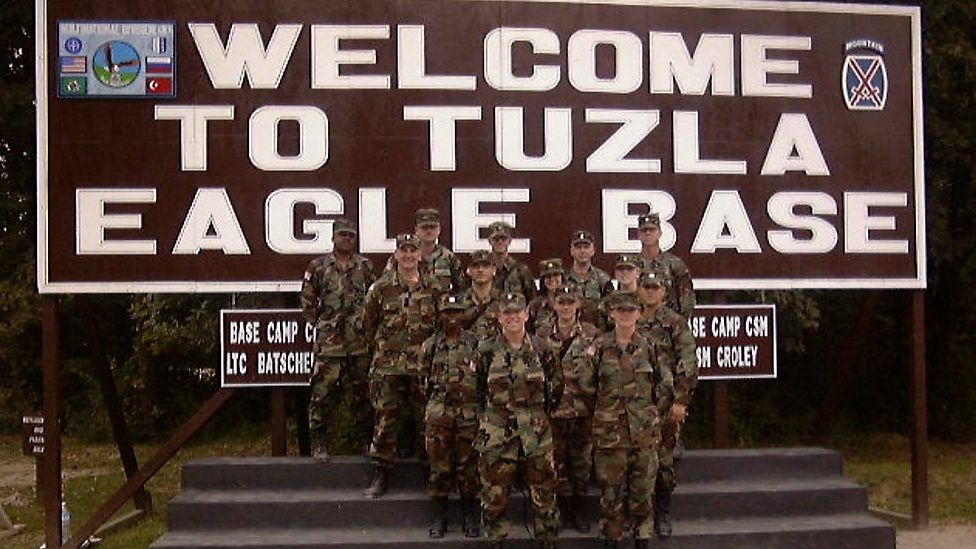
Budanov’s tenure as military intelligence chief has seen him orchestrate covert operations that have elevated his profile both locally and internationally. His close ties with the United States, including training through a CIA-backed program, position him as a key player in Ukraine’s diplomatic engagements.
In his first statement as chief of staff, Budanov described the role as “an honor and a responsibility at a historic time for Ukraine.” Analysts suggest that his appointment may help unify the military and political spheres as Ukraine approaches pivotal peace talks.
Following Yermak’s departure, there has been a palpable sense of urgency for a leader who can navigate the complexities of post-war politics and potential elections. Recent polling indicates that Budanov could be a formidable candidate if he decides to run, surpassing Zelenskyy in popularity during hypothetical electoral scenarios.
As Ukraine stands on the brink of crucial decisions regarding its future, the implications of this leadership change cannot be overstated. With the potential for elections on the horizon, the dynamics within the Ukrainian government are shifting, and how these newly appointed officials perform could significantly impact the nation’s path forward.
The political landscape is evolving rapidly, and as Zelenskyy stated, “greater focus on security issues” is imperative. As the world watches closely, further developments in Ukraine’s leadership and its implications for ongoing negotiations with Russia are expected shortly.