UPDATE: The Trump administration is ramping up efforts to protect Christians in Nigeria, as violence escalates in the region. Following a stark warning from President Donald Trump about potential military action, the U.S. is adopting a broader strategy that involves diplomatic measures and assistance programs to combat the ongoing violence.
In a series of statements made earlier this week, a State Department official confirmed that the U.S. is not solely considering military intervention but is also focusing on intelligence sharing and potential sanctions against the Nigerian government. This shift comes as Defense Secretary Pete Hegseth met with Nigeria’s national security adviser, Mallam Nuhu Ribadu, to discuss collaborative strategies aimed at halting the violence that has recently surged across the country.
The violence, which has resulted in numerous deaths and kidnappings, has drawn significant global attention. Trump expressed his indignation over the situation during an appearance on the “Brian Kilmeade Show” on Fox News Radio, stating, “What’s happening in Nigeria is a disgrace.” The Nigerian government has pushed back against his claims, asserting that it is committed to combating the violence.
The Pentagon stated that it is “working aggressively with Nigeria to end the persecution of Christians by jihadist terrorists.” Hegseth emphasized the need for Nigeria to take urgent actions to address the crisis. Meanwhile, Jonathan Pratt, head of the State Department’s Bureau of African Affairs, revealed that discussions of possible military engagement are part of a larger framework, which also includes economic and policing strategies.
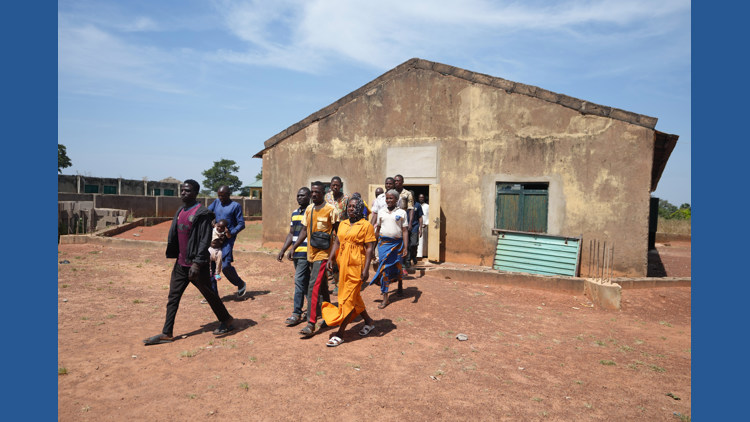
The complexity of violence in Nigeria involves various militant groups, including Boko Haram and its offshoot, the Islamic State of West Africa Province, which have targeted both Christians and Muslims. Additionally, conflicts between mainly Muslim herders and predominantly Christian farmers over resources have exacerbated the situation. Recent mass abductions of students from both Christian and Muslim schools underscore the urgent need for intervention.
The international community is increasingly vocal about this issue, with figures like rapper Nicki Minaj advocating for religious freedom at a U.N. event. As the Trump administration considers its options, the absence of U.S. forces in the region poses challenges for any potential intervention. The withdrawal of American troops from neighboring Niger and the forced exit from a French base have left the U.S. with limited resources.
Experts warn that even if the U.S. military does decide to intervene, the effectiveness of such actions remains uncertain. Judd Devermont, a senior adviser at the Center for Strategic and International Studies, noted, “Nigeria’s struggles with insecurity are decades in the making. It will not be reversed overnight by an influx of U.S. resources.”
Additionally, any unilateral military actions could jeopardize U.S. troops, as Nigeria has previously faced criticism for civilian casualties during its own military operations. To address the crisis effectively, collaboration with Nigeria is essential to understand the myriad causes of violence and ensure targeted actions.
As the situation develops, the world watches closely to see whether this new strategy will lead to tangible improvements in Nigeria’s security landscape. The urgency of this matter cannot be overstated, as countless lives hang in the balance.
Next Steps: The U.S. will continue to assess its options while engaging with Nigerian authorities to formulate a comprehensive response to the crisis. This ongoing dialogue will be critical in determining how effectively the U.S. can help mitigate the violence that has plagued Nigeria for years.