UPDATE: In a shocking announcement this morning, US authorities confirm an invasion of Venezuela, led by President Donald Trump. This aggressive move, marked by the claim of seizing Venezuelan oil, raises urgent questions about the global oil dependency and its role in escalating conflicts.
The operation began just hours ago, with Trump asserting that the invasion is primarily about oil. “We are here to secure Venezuela’s oil,” he stated during a press briefing, highlighting a stark reality: the US continues its long-standing pattern of military intervention under the guise of resource acquisition. The implications of this action extend beyond Venezuela and remind us of the pressing need to reduce oil consumption globally.
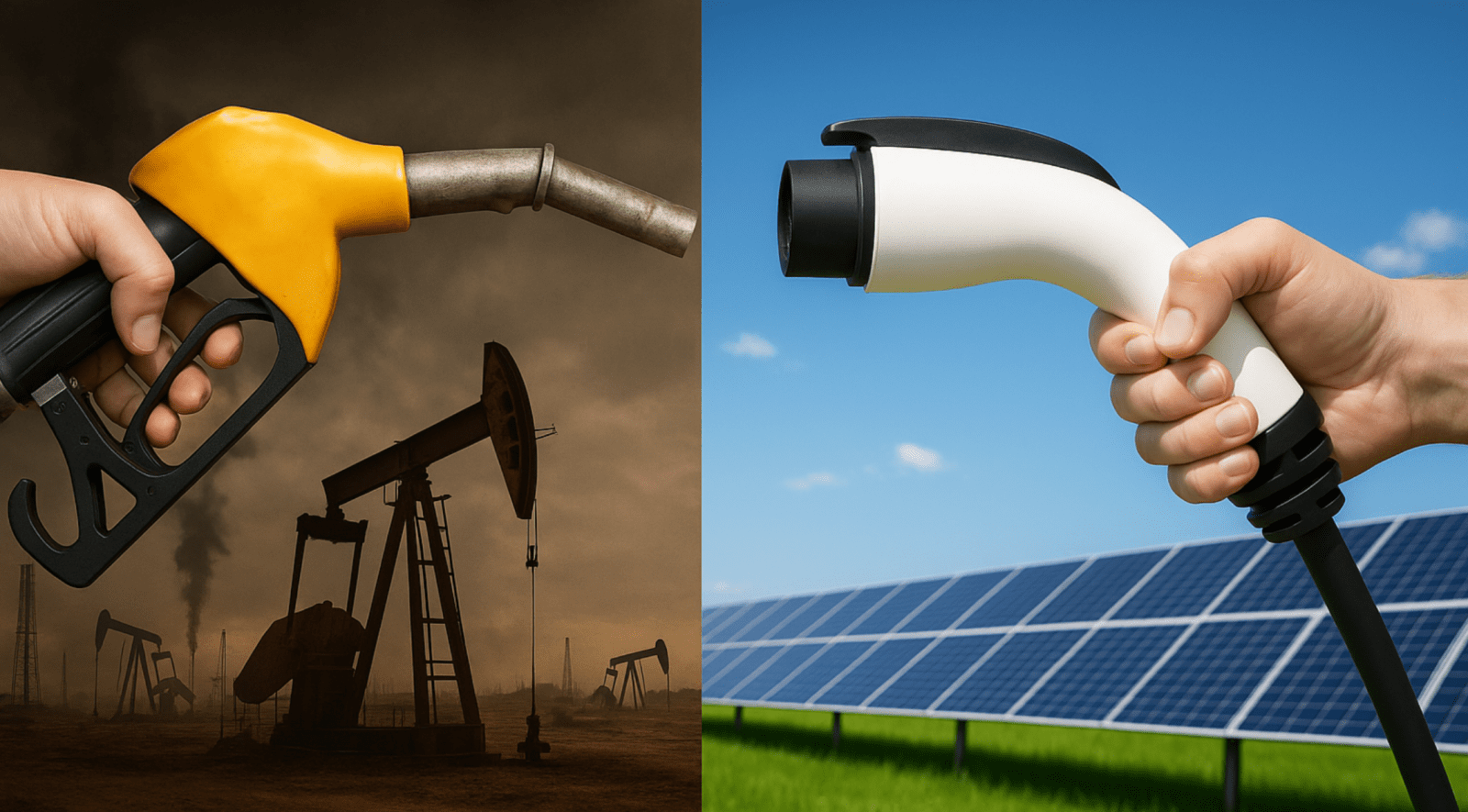
As tensions escalate, the spotlight turns to electric vehicles (EVs) as a potential solution to mitigate future conflicts driven by oil demand. The combustion of oil is not only a catalyst for international strife but also contributes significantly to harmful air pollution and climate change. With a history of warfare fueled by oil—including recent conflicts involving Russia and Europe—the urgency for a transition to EVs has never been clearer.
Current data confirms a marked decline in US oil consumption, which peaked in 2019 and has not returned to those levels. This decline is largely attributed to the growing adoption of electric vehicles and other energy-efficient technologies. Countries like Norway and China are also experiencing a shift as they approach peak oil demand, highlighting a global trend towards reduced oil reliance.
Electric vehicles offer a path to energy independence, allowing nations to harness renewable sources such as wind and solar. This shift not only empowers countries but also diminishes the leverage of oil cartels that perpetuate conflict. The US Department of Defense acknowledges the threat of climate change as a driver of global conflict, reinforcing the need for rapid adoption of EV technology.
Experts point out that while oil remains essential for various sectors, the majority is used for transportation. By focusing on reducing oil consumption in light-duty vehicles, we can significantly address many of the conflicts tied to oil dependence. EVs provide a viable alternative, as they do not require oil and can be powered by domestically sourced energy.
As the world watches the situation in Venezuela unfold, the call for accelerated transition towards electric vehicles is more urgent than ever. Nations must prioritize EV technology to avoid unnecessary conflicts and tackle the health and environmental crises caused by fossil fuels. The recent invasion serves as a wake-up call, reminding us that the future of transportation must be electric to foster peace and sustainability.
The transition is not without resistance; powerful interests within the oil industry continue to lobby against renewable energy initiatives. However, the tide is turning as oil consumption trends indicate a long-term decline. The path forward involves embracing innovative solutions like electric bicycles and electrification of freight and public transit to further reduce oil dependence.
Ultimately, the call to action is clear: individuals and governments alike can take steps to reduce oil consumption today. By adopting electric vehicles and supporting renewable energy infrastructures, we can collectively combat the root causes of conflicts like the one unfolding in Venezuela. The world can no longer afford to ignore the connection between oil dependence and global instability.
For those seeking to make a difference, consider investing in solar energy solutions to charge your electric vehicle. Platforms like EnergySage offer resources to find reliable solar installers, providing significant savings while contributing to a sustainable future.
As events develop in Venezuela and beyond, the urgency for a clean energy transition has never been more pressing. The actions taken today will shape the geopolitical landscape for years to come—let’s ensure that we choose a path toward peace, health, and sustainability.