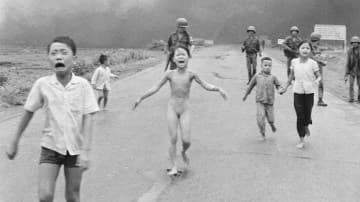
URGENT UPDATE: New revelations from a documentary titled “The Stringer” are shaking the foundations of one of the Vietnam War’s most iconic images. The photograph of Phan Thi Kim Phuc, a young girl fleeing a napalm attack, is now under scrutiny regarding its true authorship, stirring discussions about media integrity and historical accuracy.
In mid-1972, amid the chaos of the North Vietnamese Easter offensive, a moment was captured that would haunt history: a frightened girl running from devastation. Initially attributed to renowned photographer Nick Ut, new evidence suggests that the photograph may have actually been taken by Nguyen Thanh Nghe, a freelancer who also submitted his work to the AP bureau in Saigon. This revelation raises urgent questions about credit in wartime photography and the ethics of journalism.
The documentary, which relies on insights from Carl Robinson, an AP staffer at the time, argues that Robinson was pressured to credit Ut, despite knowing the truth. He lived with this perceived falsehood for decades until he felt compelled to disclose the reality behind the photograph.
“This story isn’t just about a picture; it’s about the tragedy of that day and the lives it affected,” Robinson stated. The film dives deep into the events leading up to the photo, showcasing expert analysis and previously unseen footage, emphasizing the human cost of war.
The iconic image, depicting Kim Phuc and her brother fleeing the flames, was pivotal in shaping public perception of the Vietnam War. Kim survived the harrowing experience, later becoming a goodwill ambassador for UNESCO and living in Canada. Her story has become synonymous with the horrors of war, making the discussion of who clicked the shutter feel secondary to the image’s impact.
On the day of the incident, as chaotic scenes unfolded around Trang Bang, the presence of South Vietnamese soldiers and the sounds of battle added to the urgency of the moment. Correspondents on the ground, including a reporter for the Chicago Tribune, witnessed the fleeing children and the destruction firsthand, capturing not just images but the emotional toll of war.
The documentary aims not only to clarify authorship but also to shed light on the larger narrative of the Vietnam War. Critics argue that while the question of who took the photo is important, it pales in comparison to the lasting message of peace and remembrance that the image conveys.
As the documentary gains traction, the debate over authorship continues to resonate within the journalistic community. Robinson reflects, “What matters is the legacy of that image, not who took it.” The film’s producer, Fiona Turner, noted that the recollections from those present during the event have been pivotal in piecing together the timeline and context of the story.
The ongoing discussions surrounding this photograph highlight not only the complexities of war reporting but also the ethical responsibilities of media professionals. As the narrative unfolds, audiences are reminded of the profound human experiences that photographs encapsulate—an essential aspect of history that transcends the question of authorship.
Stay tuned as this story develops, with further insights expected from discussions among veterans and historians about the implications of this revelation. The impact of Phan Thi Kim Phuc‘s story is a reminder of the real human cost of conflict, a lesson that continues to be relevant in today’s global landscape.