UPDATE: Tensions are escalating in Washington as Congress questions the Trump administration’s justification for military actions against Iran. Lawmakers are demanding urgent answers regarding the conflict’s strategy, exit plan, and the profound costs to American lives and resources. As of September 24, 2025, officials are scrambling to address these concerns amid a backdrop of rising Middle East hostilities.
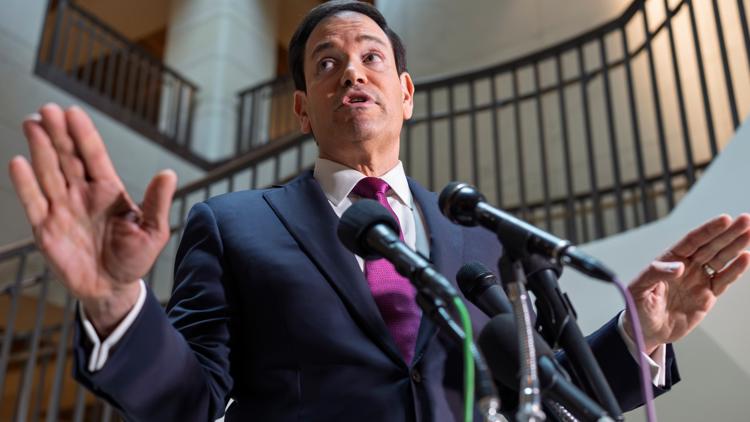
In a closed-door briefing at the U.S. Capitol, senior Trump officials faced intense scrutiny from both the House and Senate. The administration is attempting to avert a crucial war powers resolution vote that would limit President Trump’s ability to continue military operations alongside Israel against Iran. Secretary of State Marco Rubio remarked, “The president determined we were not going to get hit first. It’s that simple,” adding that the decision to strike was made because of a unique opportunity that maximized chances for success.
The situation has already claimed the lives of at least six U.S. military personnel, raising alarm about the potential for a prolonged conflict following the assassination of Iran’s Supreme Leader, Ayatollah Ali Khamenei. As the danger escalates, Congress is pushing for a war powers resolution, one of the most significant votes lawmakers can take, while administration officials warn about the need for supplemental funding—potentially exceeding $2 billion—to sustain military efforts.
Senate Democratic Leader Chuck Schumer expressed concern over “mission creep” and the risks of entering a drawn-out war. During an Armed Services Committee hearing, senators grilled administration officials about Rubio’s previous comments suggesting that the U.S. acted preemptively due to Israeli pressures. Senator Angus King labeled the situation “very disturbing,” emphasizing that past presidents have traditionally resisted military action based on foreign influence.
In response, Trump refuted claims that Israel dictated U.S. actions, stating, “I might have forced their hand.” Meanwhile, Republican Senator Markwayne Mullin praised Trump’s decisive action, saying, “How about we say, ‘Thank you, Mr. President, for finally getting rid of this nuisance?’”
Concerns are growing regarding who will lead Iran following Khamenei’s death. Democrats like Senator Richard Blumenthal warned against deploying U.S. troops, reflecting fears of repeating past mistakes in Iraq and Afghanistan. “I am more fearful than ever we may be putting boots on the ground,” he stated after the briefing. Senator Kirsten Gillibrand added that the lack of a clear rationale for military involvement raises constitutional concerns over Congressional war powers.
Both the House and Senate are gearing up to vote on war powers resolutions that would constrain Trump’s military authority. House Democratic Leader Hakeem Jeffries criticized the expenditure of “billions of dollars to bomb Iran,” indicating strong Democratic support for the resolution. Conversely, House Speaker Mike Johnson cautioned that restricting the president’s powers could be dangerous during active conflicts.
Looking ahead, the impending votes signal a critical moment in U.S. foreign policy. With the midterm elections approaching, lawmakers are acutely aware of the political ramifications of their decisions. As Trump faces mounting pressure both domestically and internationally, the future of U.S.-Iran relations hangs in the balance.
As developments unfold, the American public remains anxious about the implications of this military engagement. The stakes are high, and many are questioning whether the administration’s strategy can ultimately safeguard U.S. interests without further entangling the nation in conflict.
Stay tuned for updates as Congress debates these pivotal resolutions and the situation in Iran evolves.