BREAKING: Controversy erupts as former President Donald Trump faces mounting pressure over alleged plans to kidnap Venezuelan President Nicolás Maduro. Critics argue these actions violate the War Powers Act, igniting fierce debate about presidential overreach and accountability.
The situation has escalated following revelations that Trump and top officials, including Pete Hegseth and Marco Rubio, orchestrated efforts against Maduro’s regime, perceived by many as an unlawful act of aggression. The implications are profound, as American lives could be at stake due to misguided political maneuvers.
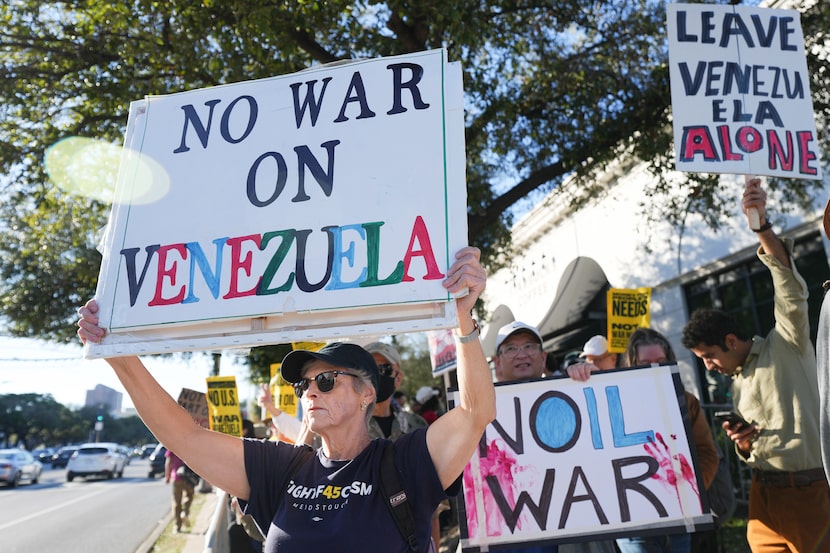
As Congress prepares to vote next week on related measures, opposition voices are calling for immediate action to rein in executive power. Critics like Finnegan Motz from Dallas insist it is crucial for lawmakers to uphold the rule of law and prevent a return to unilateral military actions.
“Having respect for the rule of law is the only thing that separates nations from despotic rogue states,” Motz stated, emphasizing the need for congressional oversight.
The backdrop of this controversy includes the January 6 anniversary, a day still fresh in the minds of many Americans. Observers note that the political climate surrounding this date adds a layer of urgency to the ongoing discussions about governance and accountability.
Meanwhile, the Biden administration’s past offer of $25 million for information leading to Maduro’s arrest has resurfaced in public discourse, with critics accusing Democrats of hypocrisy in their outrage following Maduro’s detention. Dennis Roberson from Fort Worth expressed frustration over perceived double standards, stating, “These hypocritical liberals and their brainwashed supporters are so ridiculous it hurts my brain.”
Former Honduran President Juan Orlando Hernández, recently convicted for smuggling cocaine into the U.S., adds another layer to the scandal. Trump’s controversial pardon of Hernández raises questions about the motivations behind U.S. foreign policy in Latin America.
Adding to the complexity, former officials have pointed out that Maduro’s regime was already unrecognized by the U.S. and over 50 countries, making Trump’s declaration that America would “run” Venezuela until a democratically elected leader is in place particularly contentious.
“The people of Venezuela were making their voices heard. Now, self-determination has been ripped away from their hands,” warned Thomas Urech from Richardson, highlighting the human impact of these geopolitical maneuvers.
As discussions unfold, the calls for accountability are resonating strongly. Lawmakers and citizens alike are urged to reflect on the implications of these actions—both for national security and for the principles of democracy.
The upcoming congressional vote is set to be pivotal, with many watching closely to see if lawmakers will stand firm against perceived executive overreach or remain passive in the face of these alarming developments.
As this story continues to evolve, observers are reminded of the importance of transparency and adherence to the law in safeguarding democracy. Stay tuned for further updates on this developing situation.