UPDATE: As of today, 470 children are in Delaware’s foster care system, with a critical shortage of homes, especially for teenagers. This urgent crisis demands immediate attention as many youths are aging out without the stability they desperately need.
Delaware’s foster care system is under severe strain, particularly in Sussex County, where the search for foster homes has become increasingly challenging. Officials from the Division of Family Services report that while the overall number of children in care reflects the state’s diversity—comprising 168 white, 298 Black, 39 Hispanic, and 4 Asian children—the most pressing need lies in finding homes for older teens.
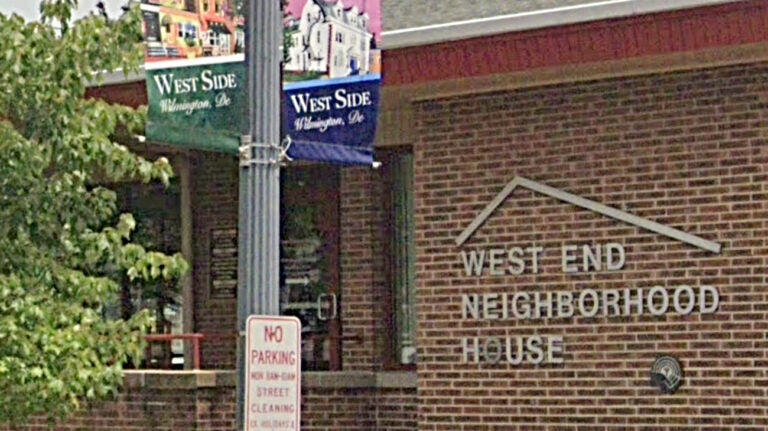
The crisis is further highlighted by an upcoming event: the WHYY Pop-Up Newsroom and Foster Care Resource Fair at West End Neighborhood House in Wilmington on December 2, 2023. This fair aims to connect potential foster families with resources and information about the urgent need for placements.
Trenee Parker, director of the Division of Family Services, emphasizes that the greatest demand is not just for more homes, but for specific types of placements that cater to diverse needs, including medical conditions and behavioral challenges. “Teenagers are a population that we need more families for,” she stated, stressing that these youths often face more trauma before entering the system.
The urgency to support teenagers is compounded by the reality that many of them may face homelessness after aging out at age 18. “For teens who never find a permanent home, the foster care system doesn’t end as much as it expires,” Parker explained. This transition can lead to a precarious situation where young adults must navigate life without adequate support.
Several organizations, including Children & Families First and Pressley Ridge, are actively recruiting and training families to help alleviate the strain. However, the statistics are concerning: over 50 children currently need care, while only about 35 foster families are available. This gap highlights a crucial need for community engagement and support.
The statistics are alarming, but there are signs of hope. The new Lifeline program at West End Neighborhood House provides vital support for youth transitioning out of the foster care system. Stacy Shamburger, the program director, reports serving around 56 youths currently in the system and 234 unaccompanied youths last year who were not in foster care but faced similar challenges.
Delaware’s Tuition Waiver Program is also making strides, allowing former foster youths to attend in-state colleges without the burden of tuition costs. This initiative has already benefited approximately 40 students since its launch in 2022, helping them pursue higher education and a more stable future.
As the crisis deepens, community involvement is more crucial than ever. Local leaders urge residents to consider ways they can support foster children, whether through sponsorship of activities or becoming foster parents themselves. Trenee Parker sums it up: “It takes a village to make sure that our youth are going to be okay and that they move forward.”
The need is immediate, and the impact on the lives of these children is profound. As Delaware grapples with this escalating crisis, the call for action is clear: the future of hundreds of children hangs in the balance, and urgent solutions are required now.