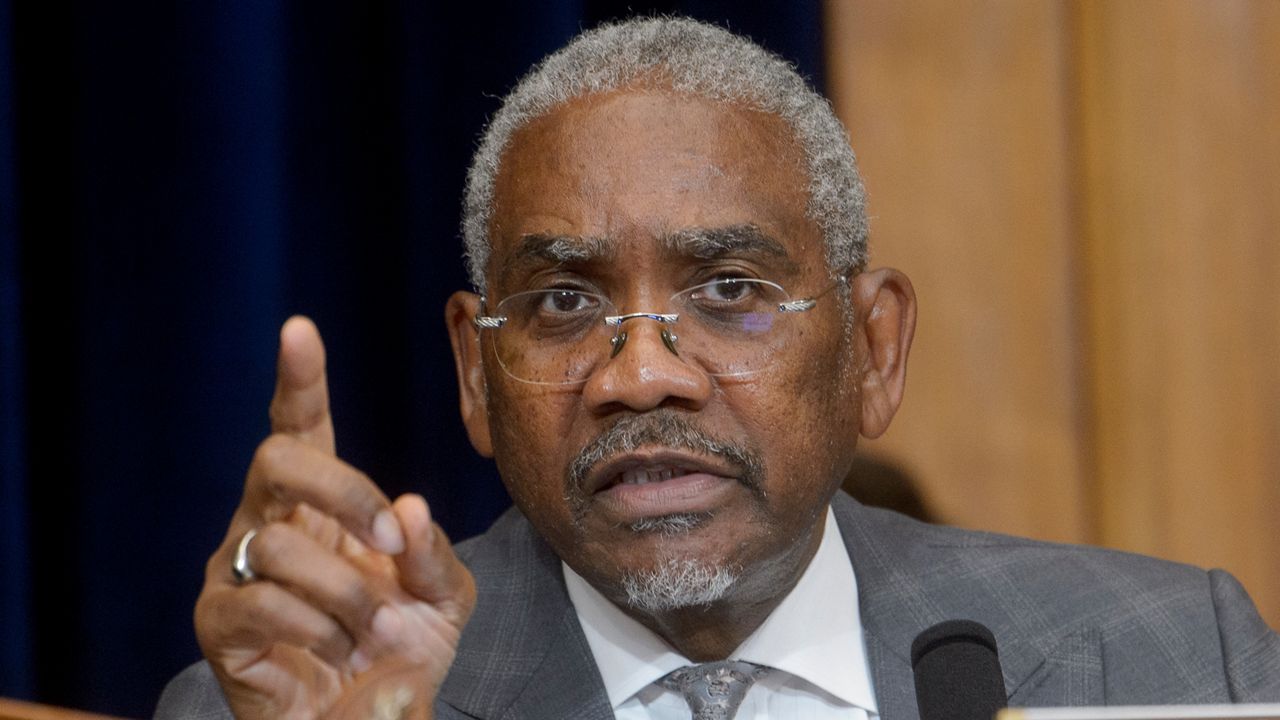
UPDATE: In a decisive move amid escalating tensions with China, Rep. Gregory Meeks, the top Democrat on the House Foreign Affairs Committee, has just announced new legislation aimed at blocking the sale of advanced AI chips to adversarial nations. The proposal responds to what officials are calling an “AI arms race,” underscoring the urgent need to protect American national security.
The legislation specifically targets the export of H200 chips and other advanced AI technology to countries under arms embargoes, including China, Russia, and Venezuela. This move comes after President Donald Trump approved the controversial sale of H200 chips to China, following intense lobbying from Nvidia CEO Jensen Huang. “American national security cannot be sold for the benefit of profit,” Meeks declared during a press conference earlier today.
The urgency of this legislative action is amplified by recent arrests linked to alleged smuggling operations involving advanced AI chips to China. A Department of Justice press release described these chips as “the building blocks of AI superiority,” emphasizing their critical role in modern military applications. “We’re in a strategic competition with China. We want to make sure that we lead it,” Meeks stated, highlighting the growing concern over national security.
In a contrasting effort, Rep. Brian Mast, the Republican chair of the committee, has introduced competing legislation that would permit the continuation of export approvals but allows Congress to block them within 30 days. This proposal, however, would require a majority vote in both chambers—a scenario Meeks views as challenging given the current Republican control of the House.
When asked about the likelihood of Congress effectively blocking such licenses, Meeks expressed skepticism, saying, “No.” To navigate this legislative landscape, he is considering a discharge petition, a strategy that could force a vote if enough lawmakers sign on, reflecting the increasingly contentious nature of this legislative fight.
Trump has defended the H200 chip deal, arguing it could reduce demand for Chinese chips and bolster the U.S. economy with a 25% fee on the transaction. He claimed that Chinese President Xi Jinping responded “positively” to the deal, further complicating the narrative surrounding U.S.-China relations.
As the situation develops, all eyes will be on Congress to see if this legislation can gain traction amid a polarized political landscape. The implications of the outcome could have profound effects on both national security and the competitive edge of the U.S. in the global tech arena.
Stay tuned for further updates as this urgent story unfolds.