UPDATE: A troubling revelation has surfaced within a local 12-step program, sparking urgent concerns among participants about confidentiality and trust. In a recent meeting, Sally, a sponsor, disclosed sensitive information about another sponsee, raising alarms about the integrity of the support system.
Members reported that during her sharing time, Sally described the struggles of another sponsee in explicit detail, breaching the core principle that what is shared in meetings remains confidential. This incident occurred in a group of 15 members, including the affected individual, leading to feelings of distrust and insecurity among those present.
The individual, referred to as “Overshared,” expressed deep concern over Sally‘s behavior, stating, “I have lost trust in my sponsor. I don’t feel safe sharing personal information about my own failings.” This sentiment reflects a wider fear that such breaches could undermine the recovery journeys of participants, essential to their healing process.
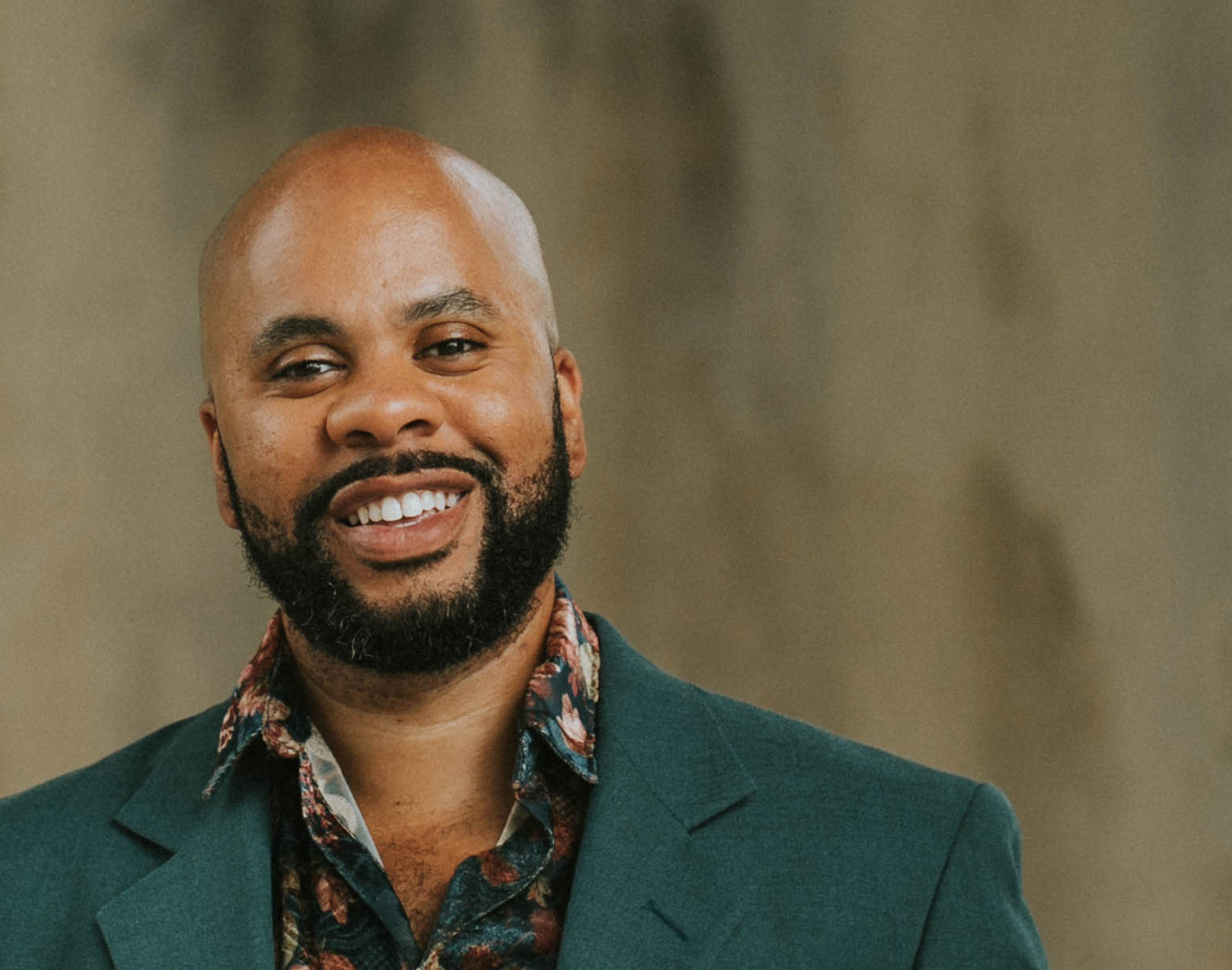
Experts emphasize the critical need for sponsors to maintain confidentiality. “Every person’s recovery journey is unique,” notes Eric, a trusted advisor within the program. “If a sponsor’s actions present an obstacle, exploring a new sponsor relationship is vital for your recovery.”
The emotional impact of this breach is profound, as members must navigate their own vulnerabilities while also protecting others. “Overshared” is now grappling with whether to address this issue with Sally, aiming to express her feelings without attempting to “fix” the situation.
Meanwhile, another participant, known as “Disappointed,” voiced anxiety over her husband’s safety due to past law enforcement targeting. Despite having shared these fears with close friends, she received no follow-up support, leading her to question the strength of her friendships. “I feel I have been there for them during the years and find myself questioning whether I should continue our friendship,” she lamented.
In response, Eric advises “Disappointed” to be more vocal about her needs, emphasizing that friends may not always know how to support one another, especially in challenging times. “It’s important to ask for the support you need rather than dropping friendships, which would only reduce your support network,” he suggests.
As these situations unfold, the need for trust and support in recovery programs becomes increasingly clear. Participants are urged to communicate openly about their needs and experiences to foster a safe environment for all involved.
This developing story highlights the urgent need for accountability within support systems and the importance of maintaining trust among members. As the community grapples with these issues, the focus remains on ensuring that all participants feel secure in sharing their journeys.
For ongoing updates and advice, readers are encouraged to follow Eric’s insights and engage with community discussions.