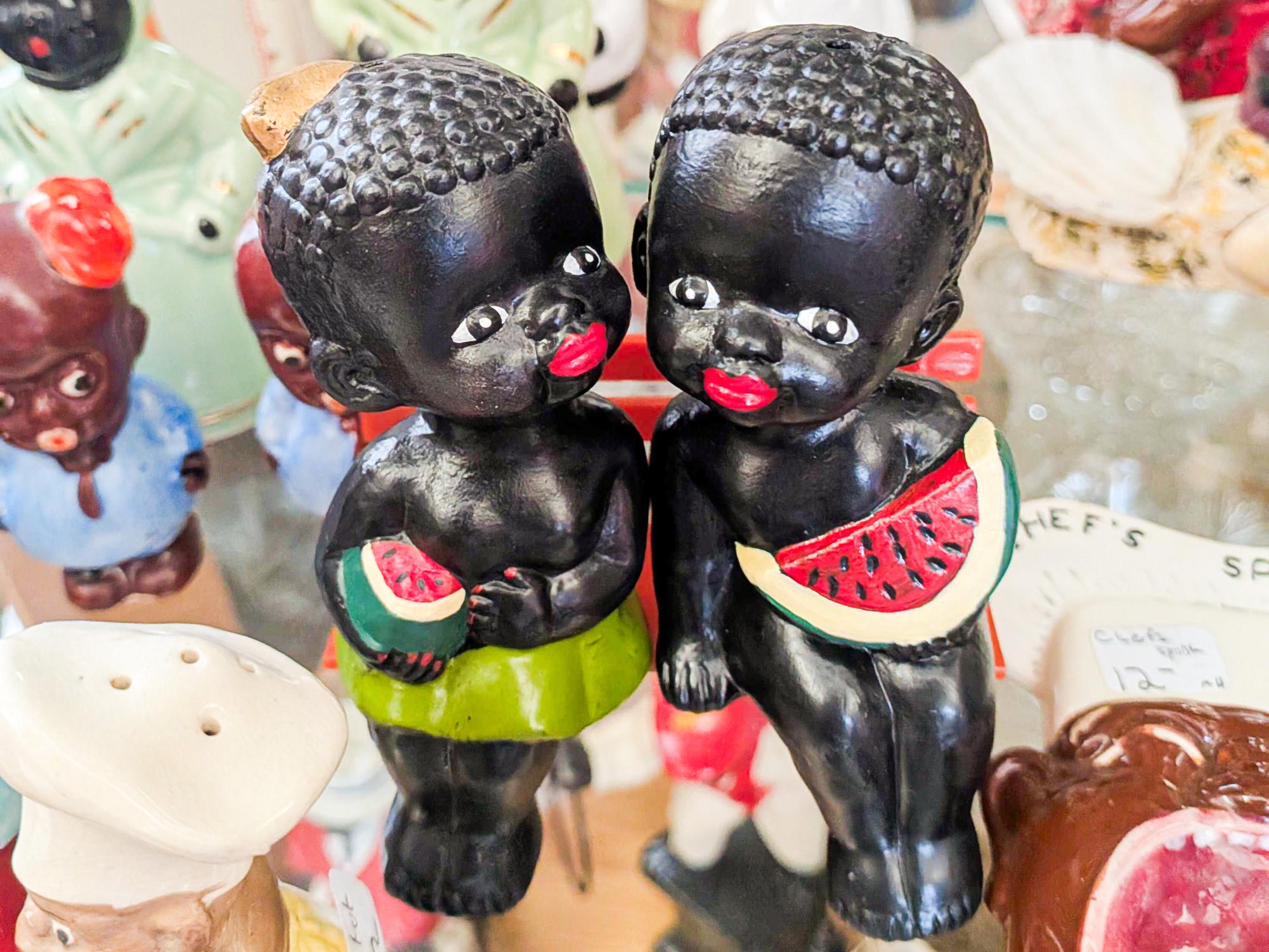
The impact of historical stereotypes on contemporary society remains significant, affecting perceptions and interactions among individuals. A personal account highlights the discomfort experienced by a Black individual who was followed in a store, revealing deeper societal issues rooted in long-standing biases. Such experiences underscore the necessity for ongoing discussions about racism and stereotypes that continue to influence daily life.
Historical Context of Stereotypes
Stereotypes regarding Black individuals have persisted since the time of slavery, with early forms emerging through minstrel shows. These performances often depicted Black people as lazy and ignorant, reinforcing harmful narratives. The portrayal of individuals in blackface only amplified these misconceptions, suggesting that Black people were inherently criminal or hypersexual.
One particularly damaging stereotype is the concept of the “Mandingo,” which characterizes Black men as excessively sexual and physically imposing. This stereotype has evolved into notions of the “black buck” or “black brute,” perpetuating an image of Black men as untamable and dangerous. Such narratives not only misrepresent individuals but also contribute to societal fears and discrimination.
Modern Implications and Examples
Contemporary stereotypes similarly distort perceptions. The idea that Black individuals achieve athletic success solely due to physical advantages rather than intelligence is prevalent. Many young Black athletes face assumptions about their abilities that overshadow their personal dedication and skill. For instance, a basketball player might hear comments suggesting that athletic talent is inherent, rather than earned through hard work.
Black women endure their own set of stereotypes, often depicted as either “Sapphires” or “Jezebels.” These caricatures portray them as aggressive or hypersexual, limiting their expression and opportunities. Such portrayals can lead to hesitance in seeking mental health support, as Black women may fear being labeled as “angry” or “difficult” when expressing their needs.
The effects of these stereotypes extend to various aspects of life, including social interactions and professional opportunities. A recent study by the Black Lives Matter movement revealed that many Black individuals feel compelled to work harder to overcome biased perceptions in the workplace. This sense of needing to prove oneself can create additional stress and anxiety.
Moreover, the War on Drugs in the late 1960s contributed to the stereotype of Black individuals as drug users or dealers. This narrative can lead to negative assumptions about personal character based solely on race. Such biases are often reflected within familial interactions, where a Black individual may hear derogatory comments about their family’s history or circumstances.
The ongoing struggle against these stereotypes highlights the importance of awareness and education. Individuals can help dismantle these harmful beliefs by reflecting on their biases and fostering open dialogues about race. Recognizing the humanity in each person, rather than relying on stereotypes, is crucial for building trust and understanding within diverse communities.
As society continues to confront these issues, it is vital for everyone to examine their beliefs and challenge the stereotypes that persist. The next time you encounter someone who may not fit your preconceived notions, consider the weight of your assumptions. Acknowledging bias is the first step toward creating a more equitable and understanding world.