URGEN T UPDATE: Tensions in Uganda escalate as the army chief, Gen. Muhoozi Kainerugaba, publicly accused U.S. Embassy officials of aiding opposition leader Bobi Wine during his recent period of hiding. This shocking allegation comes just days after a disputed presidential election that has left many Ugandans on edge.
In a series of provocative posts on X, Kainerugaba claimed that “unimaginative bureaucrats at the Embassy” have undermined crucial security ties between Uganda and Washington. He controversially stated that Wine “kidnapped himself and is missing,” alleging coordination with the U.S. Embassy.
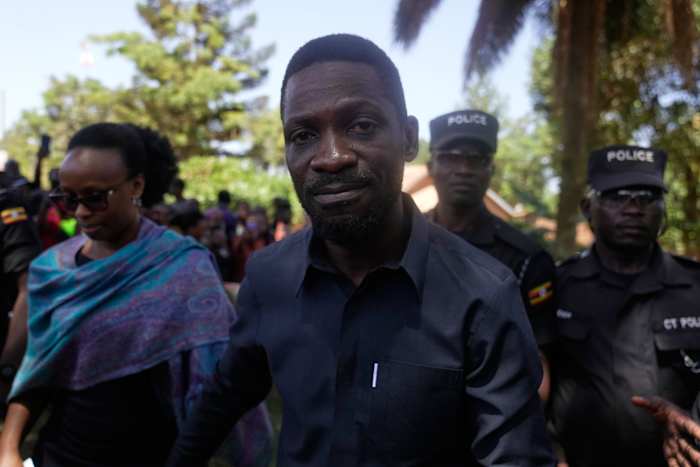
The U.S. Embassy has yet to comment on these serious allegations. Wine, whose real name is Kyagulanyi Ssentamu, was the most prominent challenger to incumbent Yoweri Museveni in the January 15 election, where he received only 24.7% of the vote compared to Museveni’s 71.6%. Following the election, Wine went into hiding, citing fears for his safety amid increasing government hostility.
In his latest posts, Kainerugaba escalated threats against Wine, declaring, “He is wanted dead or alive!” This alarming declaration has raised widespread concern among Ugandans, many of whom fear that harming Wine could lead to significant unrest. Wine has amassed a strong following, particularly among young people disillusioned with the government’s corruption and lack of opportunities.
Amidst the turmoil, Wine has released videos from various undisclosed locations within Uganda, criticizing the government and mocking the military for their inability to locate him. He recently stated, “It’s now coming to 10 days, but they have failed to find me,” suggesting that the government’s strength is overstated.
Kainerugaba’s harsh rhetoric included derogatory remarks about Wine, labeling him a coward and a “terrorist.” He also took responsibility for a controversial January 23 raid on Wine’s residence, during which Wine’s wife reportedly suffered injuries. Kainerugaba denied these allegations, claiming the military only sought to question Wine.
In addition, hundreds of Wine’s supporters have been detained since the election, further fueling tensions. One of Wine’s deputies, Muwanga Kivumbi, has been charged with terrorism in connection to a violent incident in central Uganda.
As the situation unfolds, the international community watches closely. The current political climate reflects deep divisions within Uganda, with many citizens yearning for change after decades under Museveni’s rule.
NEXT STEPS: As tensions rise, observers are urged to monitor developments closely. With the potential for increased unrest, the actions of both the Ugandan military and the U.S. Embassy will be critical in shaping the future of Uganda’s political landscape.
This urgent situation demands immediate attention as the stakes continue to grow for opposition leaders and their supporters in Uganda.