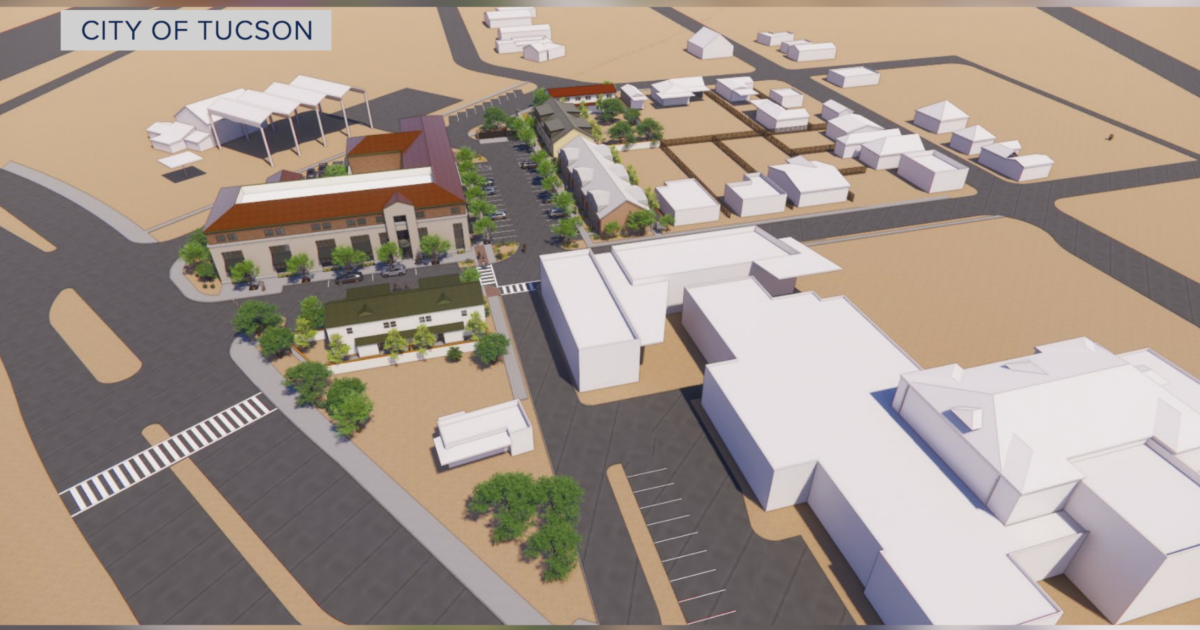
Tucson city officials are actively working to address a critical housing shortage by proposing the development of two long-vacant parcels into affordable residential units. The sites, located near the intersection of St. Mary’s Road and North Granada Avenue, fall within the neighborhoods of Barrio Santa Anita and El Presidio. This initiative aims to tackle the growing demand for affordable housing in the urban core of Tucson.
According to Ann Chanacka, the director of Housing and Community Development for Tucson, the need for housing is pressing. “Within the city of Tucson itself, we need 35,000 units of housing over the next 10 years,” Chanacka stated, referencing a city-commissioned housing study. The identification of these two lots as potential sites for development aligns with a city directive prioritizing housing construction on city-owned land.
The proposed project is designed to include a mix of one-, two-, and three-bedroom apartments, catering to a variety of household sizes. However, the advancement of this project heavily relies on securing external funding. Chanacka explained that the city is pursuing low-income housing tax credits, a vital financial resource allocated by the Arizona Department of Housing through a program administered by the federal IRS.
Community response to the proposal has been largely positive. Janet Roth, a resident living adjacent to one of the vacant lots, expressed her support, noting the property has been unused for decades. “I’m definitely in support. We’ve been working on this project… The lot has been vacant for about 20 years, maybe 25, and the city owns it now,” Roth remarked.
Another local resident, Gary Wolf, who lives behind the lot at the corner of Granada Avenue and St. Mary’s Road, also supports the development but has raised concerns regarding potential impacts on his access to parking. “The only concern that I have is that when the city developed these plans, they eliminated my only access to my back parking lot,” Wolf stated. He is currently negotiating with city officials to ensure that he retains access to a parking area that has been available to him for the past fifty years. “As long as the city is willing to give me access to my back parking lot, which historically has been there for fifty years, I’m fully supportive of the project,” he added.
City officials anticipate receiving a decision from the state on funding this summer. This determination will be crucial in deciding whether the long-anticipated development can progress from planning into construction. As Tucson continues to navigate its housing challenges, the outcome of this initiative may play a significant role in shaping the city’s approach to affordable housing in the years to come.