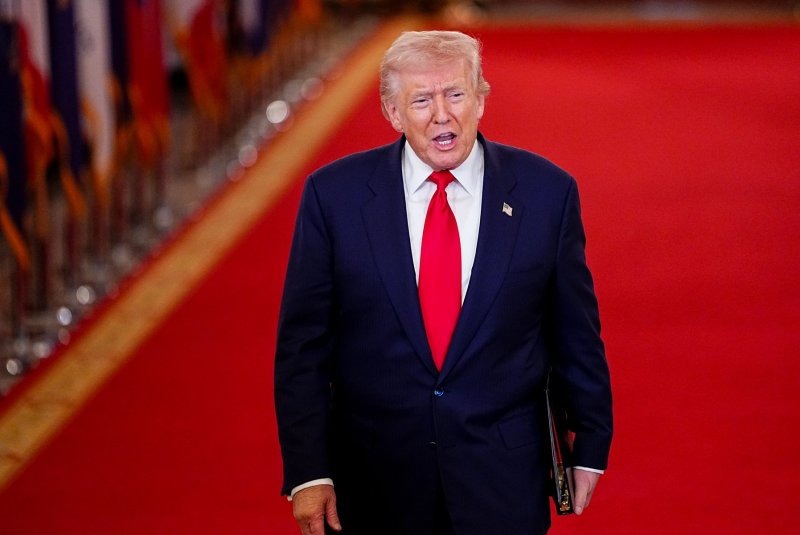
On March 8, 2024, President Donald Trump announced that he will not sign any legislation until the U.S. Senate passes the Safeguard American Voter Eligibility Act (SAVE Act). This proposed legislation aims to alter voting requirements ahead of the upcoming mid-term elections. While it enjoys considerable support among Republicans in Congress, many Democrats argue that it could hinder voting access for numerous individuals.
In recent days, Trump has intensified pressure on Senate Majority Leader John Thune to employ procedural tactics that would allow for a simple majority vote on the bill. This approach would require only 50 votes instead of the usual 60 votes needed to overcome a filibuster. The SAVE Act passed the House in mid-February by a narrow margin of 218 to 213. Following the vote, House Minority Leader Hakeem Jeffries criticized the bill, stating, “It is not about voter identification … it is about voter suppression.”
Trump’s Demands and Legislative Challenges
Trump made his position clear in a post on Truth Social, declaring, “It must be done immediately. It supersedes everything else. MUST GO TO THE FRONT OF THE LINE.” He emphasized that he would only approve other legislation after the SAVE Act is passed, insisting it should include strict voter identification and proof of citizenship requirements, alongside restrictions on mail-in ballots, with exceptions for military personnel, illness, and travel. Trump also expressed his opposition to transgender participation in women’s sports and medical procedures for minors.
Despite a slight Republican majority in the Senate, the SAVE Act faces significant hurdles. With concerns from even some Republican senators about the implications of the bill, Thune currently lacks the votes necessary to bypass a Democratic filibuster. Discussions have emerged regarding potential changes to filibuster rules, which Trump has urged Thune to pursue. This change would require Democrats to conduct a talking filibuster, allowing the bill to pass with a simple majority of 51 votes once they cease speaking.
Democratic Opposition and Future Implications
Senate Minority Leader Chuck Schumer condemned the SAVE Act, referring to it as “Jim Crow 2.0” in a post on X. He asserted that the legislation would disenfranchise millions of voters and declared, “Senate Democrats will not help pass the SAVE Act under any circumstances.”
The outcome of this legislative battle is poised to have significant implications for the mid-term elections and the broader political landscape. As discussions unfold in the Senate, the fate of the SAVE Act hangs in the balance, reflecting the deep partisan divides surrounding voting rights in the United States.