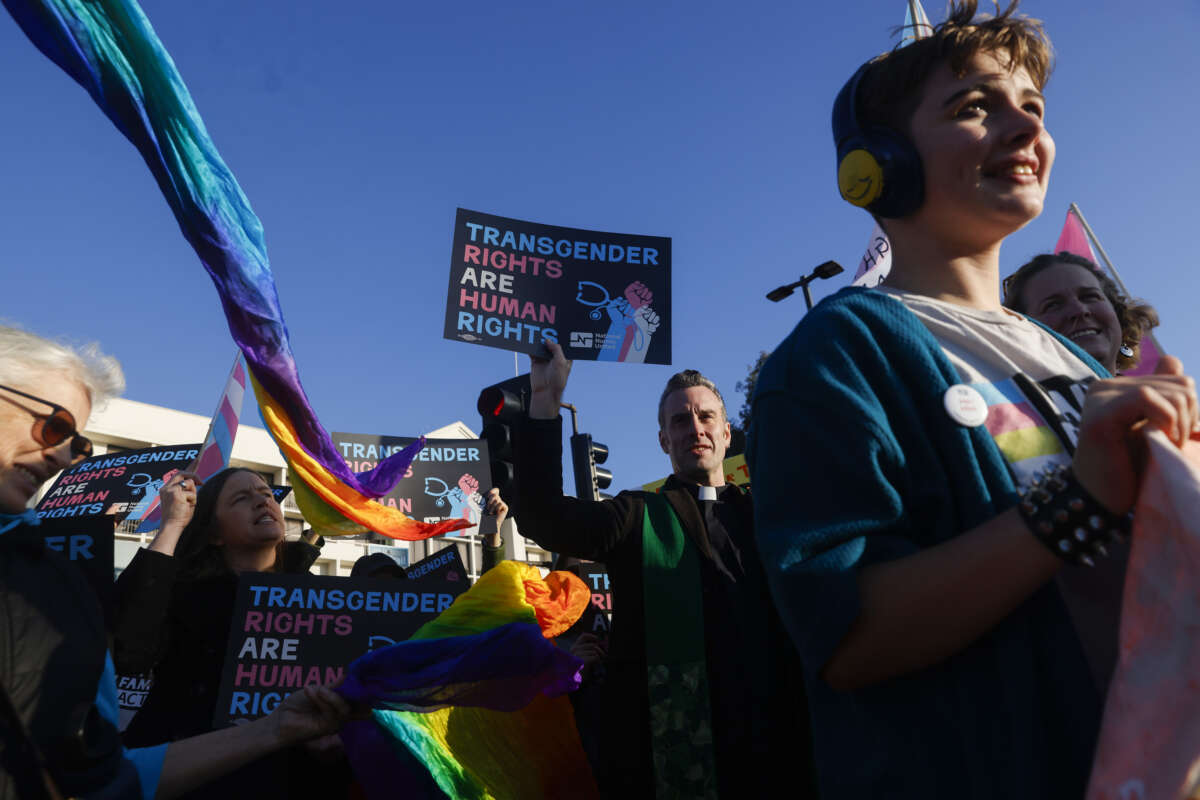
UPDATE: The Trump administration has just announced new proposed regulations that could drastically limit access to gender-affirming care for transgender youth across the United States. This significant move, revealed on November 26, 2025, by officials from the Department of Health and Human Services (HHS), aims to ban hospitals from receiving Medicaid and Medicare funding if they provide such care to those under 18.
The proposed rules, announced by HHS Secretary Robert F. Kennedy Jr. at a press conference, would also prohibit Medicaid coverage for gender-affirming treatments for youth under 18 and the Children’s Health Insurance Program (CHIP) for those under 19. Kennedy characterized these medical services as “sex-rejecting” procedures that inflict “lasting harm” on children, stating, “This is not medicine. It is malpractice.”
This announcement comes as the landscape for youth gender-affirming care becomes increasingly hostile. Currently, 27 states have enacted bans on such treatments, raising immediate concerns about the well-being of transgender youth nationwide. The implications are dire, as research indicates that gender-affirming care significantly reduces depression and suicide risks in transgender individuals.
The Human Rights Campaign, the largest LGBTQ+ advocacy organization in the U.S., condemned the proposed regulations as an attempt to deny essential healthcare. President Kelley Robinson stated, “These rules aim to completely cut off medically necessary care from children no matter where in this country they live.”
In a further escalation, Kennedy announced that the FDA is sending warning letters to manufacturers of chest binders marketed to minors, indicating a broader crackdown on transgender youth healthcare. This is reminiscent of an executive order issued by President Trump earlier this year, which criticized gender-affirming care as “chemical and surgical mutilation.”
The proposals will enter a 60-day public comment period, during which the administration can expect significant backlash from healthcare professionals and advocacy groups. Alexis McGill Johnson, president of the Planned Parenthood Action Fund, called the move “shameful,” emphasizing that all individuals deserve access to evidence-based healthcare.
The urgency of the situation cannot be overstated. As the U.S. Supreme Court recently upheld a ban on gender-affirming care in Tennessee, the current administration’s actions could further jeopardize access for vulnerable youth.
Activists like Chloe Cole, who has publicly detransitioned, have been enlisted by Republican lawmakers to support these regulatory changes. Cole argues that her experience sheds light on the urgency of protecting youth from what she considers harmful medical practices.
Senator Ron Wyden of Oregon criticized the administration’s actions, stating, “Trump’s latest effort to bully hospitals into carrying out his extremist agenda is a cruel and thoughtless step.” This growing divide highlights the contentious debate surrounding transgender healthcare in America.
As these developments unfold, the broader implications for LGBTQ+ rights and healthcare access in the U.S. are profound. The proposed regulations could set a dangerous precedent, effectively placing healthcare decisions into the hands of the administration rather than families and medical professionals.
Stay tuned for more updates on this urgent issue as the public comment period approaches and advocacy groups mobilize to protect the rights of transgender youth. The fight for equitable healthcare access continues to escalate in the face of these new challenges.