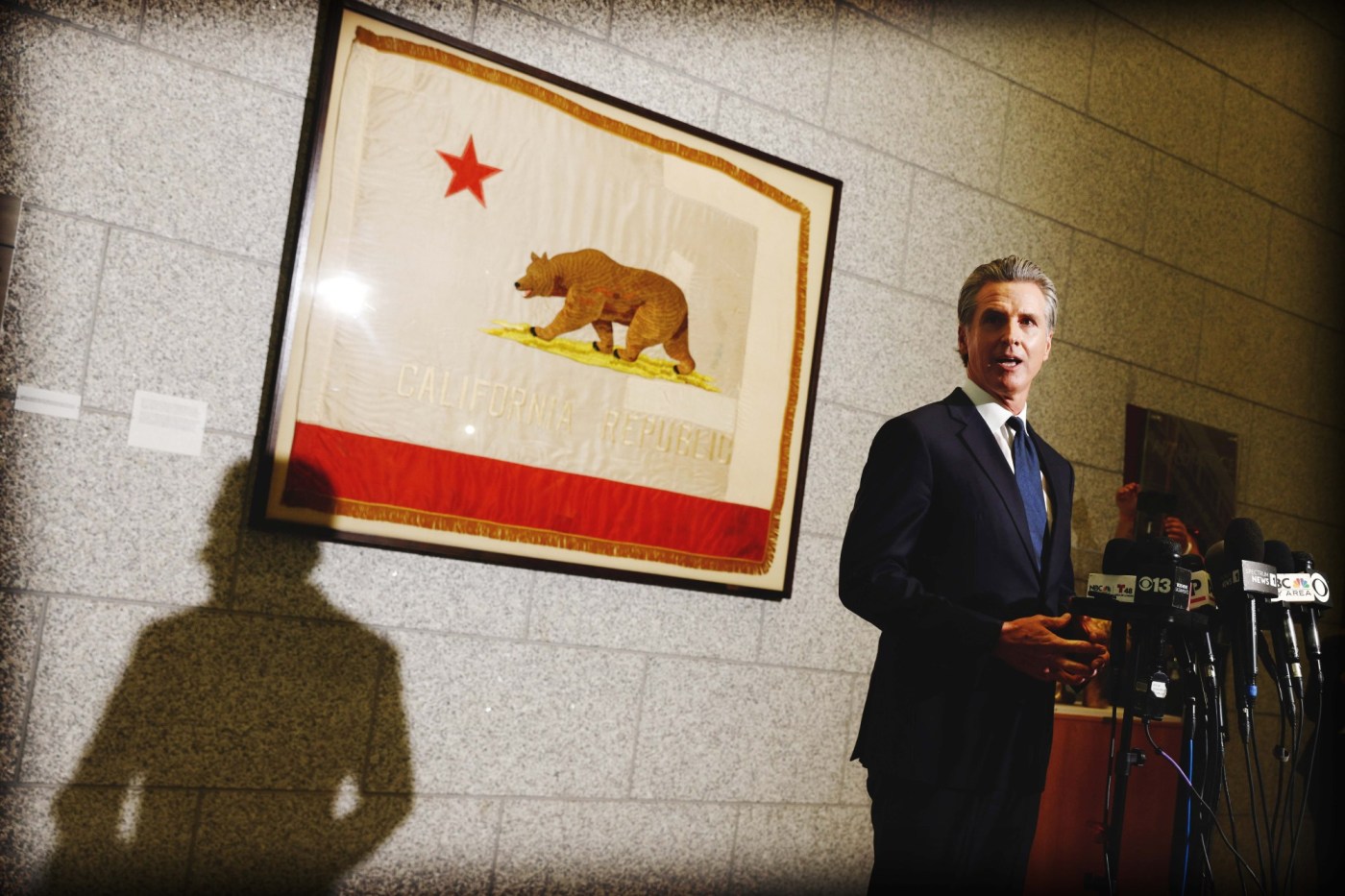
URGENT UPDATE: Tensions between Governor Gavin Newsom and California lawmakers escalated during the initial budget hearings for the $349 billion 2026-27 fiscal year, raising urgent concerns about the state’s financial future. As Newsom embarks on his final year in office, his relationship with a frustrated legislature appears increasingly strained.
During last week’s hearings, budget advisor Gabe Petek warned legislators of looming budget deficits, urging them to act quickly. The governor’s proposed budget is essentially a placeholder, lacking crucial details that lawmakers need to create an actionable plan before the constitutional deadline of June 15. Without a clear strategy from Newsom, legislators find themselves grappling with stark choices: significant cuts to social programs or steep tax increases.
The frustration is palpable among Democratic legislators who feel squeezed by Newsom’s governance style. State Senator Caroline Menjivar criticized one of the governor’s proposals, calling cuts to Med-Cal benefits for undocumented immigrants “barbaric.” She emphasized the need for a comprehensive approach to revenue reform, stating, “We can’t just cut our way out of it.”
With a potential presidential campaign looming, questions arise about whether Newsom will compromise his anti-tax stance to address the state’s structural deficit. The governor’s previous error in revenue projections, amounting to $165 billion over four years, has left California in a precarious financial position. This miscalculation led to a declared budget surplus of $98 billion, but the subsequent increase in spending has exacerbated the current fiscal challenges.
The stakes are further heightened by diminishing federal support for health and welfare programs, a fallout from previous Republican administrations. Many Democrats are advocating for tax increases not only to address the structural deficit but also to compensate for federal aid cuts.
Public employee unions are gearing up for November ballot measures aimed at increasing state revenues. Proposals include a one-time wealth tax on billionaires and an extension of a temporary surtax on high-income earners, initially imposed in 2012.
As the budgetary crisis unfolds, the dynamics between Newsom and the legislature will be critical to watch. Will the governor maintain his current fiscal policies, or will he be compelled to adjust in the face of mounting pressure? The urgent discussions in Sacramento signal that the future of California’s budget—and the impact on its residents—hangs in the balance.
Stay tuned for updates as this developing story unfolds.