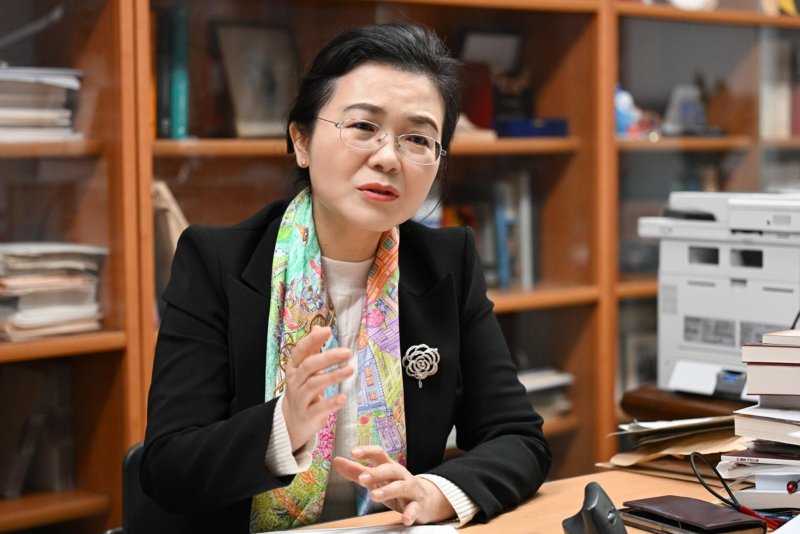
UPDATE: A prominent law professor from Korea University, Cha Jin-ah, has raised alarms over a controversial package of judicial reform bills just announced by South Korea’s ruling party. These reforms, she warns, could significantly weaken judicial independence and compromise the separation of powers, stating, “unchecked power leads to dictatorship.”
In an urgent interview conducted on December 17, 2023, Cha, who has extensive experience as a constitutional researcher, emphasized the potential dangers of pushing multiple bills through the legislature simultaneously. The proposed reforms include expanding the number of Supreme Court justices, establishing an appellate court, creating a special court for treason, and abolishing the court administration office, all of which are under scrutiny for their political implications.
Cha supports some reform ideas, such as increasing the number of Supreme Court justices, but firmly believes that the details are alarming. She suggests that while adding four justices may be appropriate, the proposed increase of twelve could lead to blatant political appointments, potentially undermining judicial impartiality.
“The motives behind expanding the Supreme Court look suspicious,” Cha stated. She highlighted concerns that if all final judgments are subjected to constitutional review, it could overwhelm the Constitutional Court, raising questions about its capacity to handle such cases.
The ruling party claims these reforms are necessary for judicial efficiency, but Cha argues that the push for a special court for treason and a crime of “distorting the law” is politically motivated. She described the special court as unconstitutional, warning that it could lead to unfair trials and predetermined outcomes, effectively crushing political opposition.
The proposed crime of distorting the law, she noted, is unprecedented among democracies and could be weaponized against judges and prosecutors, fostering an environment of fear and compliance with political authorities. “That is dictatorship,” she asserted.
With the ruling party holding a majority, Cha stressed that the only check on these legislative actions may come from public opinion. “Winning an election does not equate to having the people’s will,” she emphasized, urging citizens to remain vigilant and engaged in the democratic process.
Cha also criticized plans to abolish the court administration office, arguing that stripping judicial authority from the courts is unconstitutional. “Judicial power includes not only adjudication but also judicial administration,” she explained, drawing parallels to potential legislative overreach in the National Assembly.
As the debate heats up, observers are watching closely to see how public sentiment and opposition responses will influence the trajectory of these reforms. Cha’s warnings highlight an urgent call for accountability in governance, as citizens and lawmakers alike grapple with the implications of these proposals on South Korean democracy.
What happens next? The public’s response could play a crucial role in shaping the future of these judicial reforms. As discussions unfold, the focus will remain on whether the ruling party can push these bills through without greater opposition or public dissent.