UPDATE: South Dakota’s Senate Bill 76 has just passed out of committee, paving the way for crucial funding for airport construction in the state’s largest cities. This urgent development comes as Governor Kristi Noem announced plans to support airport expansion, responding to growing demand from local municipalities.
On December 14, 2025, Governor Noem revealed her intentions to allocate state money for airport projects. Despite initial concerns among legislators, the committee approved the revised bill unanimously on Thursday, signaling strong bipartisan support. The legislation allows qualifying airports to secure loans of up to $15 million at zero percent interest, a significant boost for essential infrastructure.
The bill’s initial proposal faced backlash over concerns about diverting funds from housing initiatives. Julie Johnson, a lobbyist for Homes for South Dakota, emphasized the need to prioritize housing needs across the state during her testimony. The final version of Senate Bill 76 ensures that the housing infrastructure fund remains intact, while allowing airports in metropolitan areas with populations of at least 125,000 to access this critical funding.
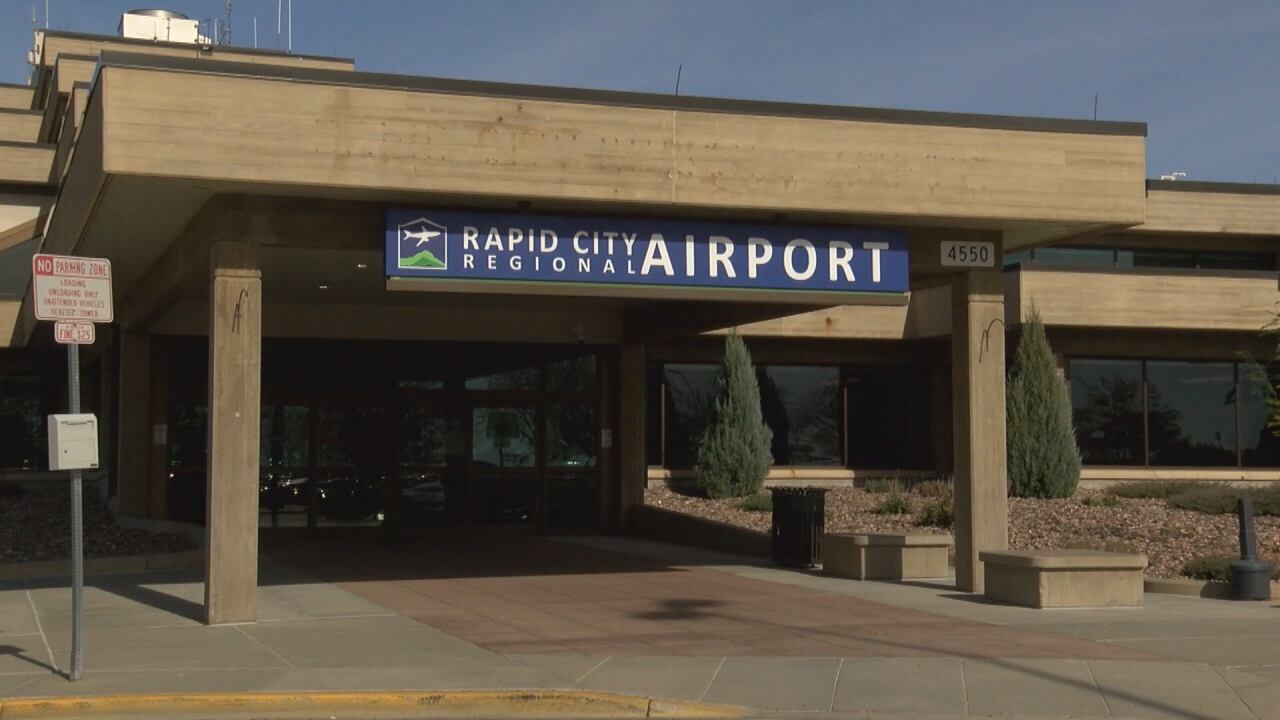
Eligible airports, including those in Sioux Falls and Rapid City, contribute billions to the state’s economy. However, major expansion projects—like $51.5 million for Sioux Falls and $110 million for Rapid City—require state support to bridge funding gaps. Rapid City Regional Airport’s Executive Director, Patrick Dame, highlighted the urgency of these projects, noting that the airport is currently $30 million short in funding its second expansion phase.
With air travel increasingly becoming a vital mode of transportation for many South Dakotans, the passage of Senate Bill 76 is crucial. Rapid City, identified as the most isolated metro area in the contiguous United States, has seen airport traffic surge by over 100,000 passengers in just two years, reaching 400,000 annual travelers. Similarly, Sioux Falls reported 1.5 million passengers in 2025, underscoring the pressing need for enhanced infrastructure.
The proposed loans will be repaid over a twenty-year period, with both airports planning to generate revenue through parking fees and passenger facility charges. This strategy not only supports local economies but also enhances connectivity for residents throughout South Dakota, where flying often remains the most efficient travel option.
As Senate Bill 76 moves forward, stakeholders are optimistic about the potential for improved air transportation infrastructure. The bill’s passage marks a significant step towards fostering economic growth and meeting the rising demand for air travel in the state.
What’s next? The bill now awaits further legislative approval before it can be enacted into law, and the focus will shift to securing the necessary funding to support these vital airport projects. Stay tuned for more updates on this developing story as it unfolds.