UPDATE: The ongoing government shutdown has reached a record length, with Senate Democrats facing mounting criticism for their role in blocking a crucial funding resolution. As the deadlock continues, public sentiment shows a growing frustration toward both parties, but many are questioning why more blame is not directed at Democrats.
Recent Reuters/Ipsos polling reveals that 50% of Americans attribute most of the blame to Republicans, while 43% hold Democrats responsible. This disconnect is alarming as three moderate Democratic senators have sided with Republicans to support the reopening of the government, highlighting the urgent need for action amidst rising costs of living and healthcare premiums—issues that directly affect millions of Americans.
The impact of the shutdown is palpable. Reports indicate that SNAP funding, essential for many families, is at risk due to the stalled budget negotiations. As communities face increasing challenges, the reluctance of Senate Democrats to act has left many questioning their priorities ahead of the crucial midterm elections.
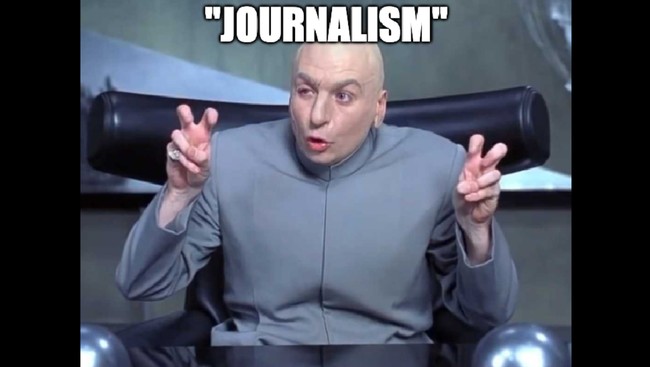
A startling new study reveals that a staggering 87% of shutdown coverage on major networks ABC, CBS, and NBC has favored Democrats, raising concerns about media bias. Viewers have noted that coverage often glosses over the fact that Senate Democrats have repeatedly voted against a continuing resolution. This selective reporting may be contributing to the public’s perception that Democrats are less culpable in the current crisis.
As the shutdown continues, the calls for accountability grow louder. Advocates are urging Senate Democrats to reconsider their stance, as the ramifications of prolonged inaction become increasingly dire. Public frustration is evident, with many Americans expressing their dissatisfaction through social media and community forums.
What’s next? The pressure is mounting on Senate Democrats to collaborate with Republicans and find a resolution. With the midterms approaching, their political futures may hinge on how they respond to the ongoing crisis. The American public is watching closely, and their patience is wearing thin.
As the situation unfolds, citizens are encouraged to stay informed and voice their opinions. This developing story highlights not only the political dynamics at play but also the real-world effects of government inaction on everyday lives.