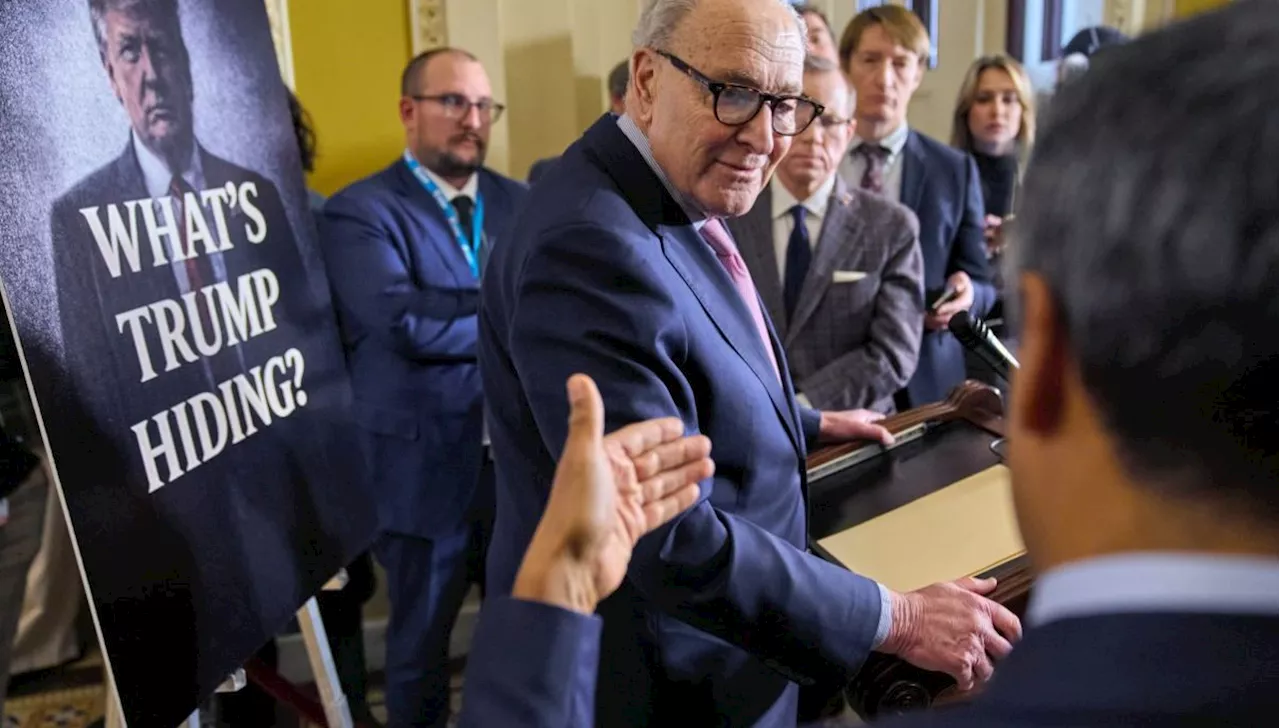
UPDATE: Senate Minority Leader Chuck Schumer has announced a critical Senate vote on military authorization regarding Venezuela scheduled for this week. This comes on the heels of the U.S. military capturing former Venezuelan President Nicolas Maduro early Saturday morning. The urgency of this vote is heightened as it will determine whether the President can take further military actions in Venezuela without congressional approval.
During an interview on ABC News, Schumer emphasized that while Maduro is a “horrible person,” responding to “lawlessness” with “other lawlessness” is not the solution, a clear critique of military strategies previously employed by the Trump administration. He stated, “That’s a privilege resolution, which means the Republicans can’t block it.” The bipartisan support from Senators Tim Kaine and Rand Paul reflects a unifying desire to impose checks on presidential military power.
Schumer insisted this vote is crucial, saying, “If it is voted positively in both Houses, then the president can’t do another thing in Venezuela without the OK of Congress. We have to pass it.” This vote will not only shape future military actions but may also impact U.S. foreign policy in the region.
The backdrop of this urgent vote comes as tensions rise regarding the U.S. role in Venezuela. Schumer criticized the previous administration’s military excursions, dubbing them an “escapade” that fails to address the pressing economic issues faced by Americans, such as rising costs of living. He reiterated that the Democratic Party is prioritizing domestic issues as its “No. 1 focus” moving forward.
In light of these developments, analysts are closely watching how Congress will respond and the implications for U.S. relations with Venezuela. The Senate’s decision could either endorse a more restrained approach or pave the way for further military involvement.
This week’s vote marks a pivotal moment in U.S. legislative history concerning foreign military operations. As the situation unfolds, it is crucial for citizens to stay informed on how these decisions will shape international relations and domestic policy.
Stay tuned for updates on this developing situation as the Senate convenes to discuss the future of U.S. military engagement in Venezuela.