URGENT UPDATE: Organized crime has dramatically transformed the political landscape of Latin America in 2025, driving a shift towards right-wing governments across the region. This alarming trend, fueled by escalating violence and illicit economies, poses a significant threat to social stability and security.
According to a new report from the Global Initiative Against Transnational Organized Crime, a staggering 39 organized crime groups are currently active throughout Latin America. These groups have evolved into complex networks that operate not just locally but also internationally, leading to increased violence and economic turmoil.
Hugo Contreras, an expert in organized crime from the School of Government at Universidad del Desarrollo, emphasizes that these groups have diversified their operations beyond mere trafficking. They now engage in extortion, contract killings, arms trafficking, and human trafficking, significantly amplifying their financial resources and territorial control. “These organizations have transformed into multi-faceted criminal enterprises,” Contreras stated.
This troubling evolution is exacerbated by institutional weaknesses, such as collapsed prison systems that have turned into logistical hubs for criminals. Contreras highlighted that the emergence of more aggressive transnational gangs poses an urgent challenge, as they have greater financial capabilities and firepower than ever before. Additionally, the ongoing migration crisis has provided fertile ground for these groups to recruit and expand their operations.
Pablo Carvacho, director of research at the Center for Justice and Society at the Pontifical Catholic University of Chile, noted that the influx of migrants has allowed organized crime to flourish in regions previously less affected. “These migratory processes have opened up new avenues for transnational illicit activities, particularly impacting vulnerable populations,” Carvacho explained.
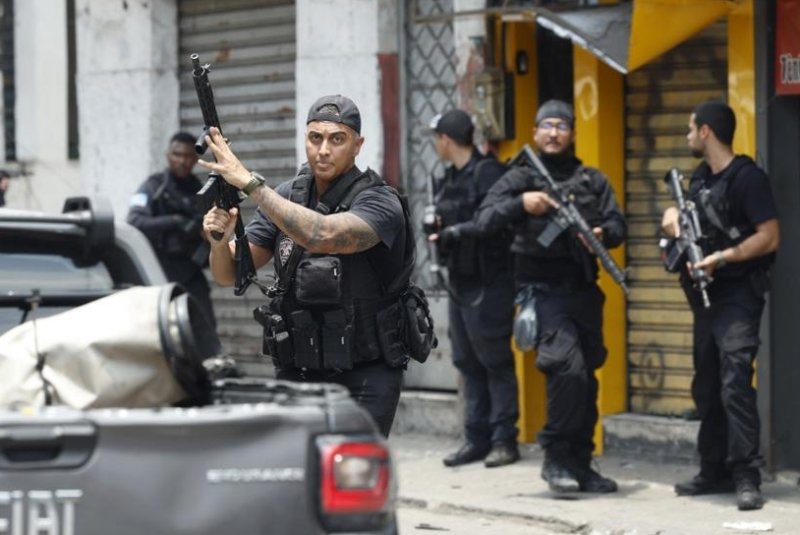
The report indicates that in 2025, countries like Mexico, Ecuador, Brazil, and Haiti rank among the world’s most dangerous, according to the Armed Conflict Location and Event Data Project (ACLED). In Mexico, violence surged following the arrest of cartel leader Ismael “El Mayo” Zambada, while Ecuador is witnessing an unprecedented rise in homicide rates, which could set new records this year. In Haiti, gangs have capitalized on political instability, expanding their influence beyond the capital, Port-au-Prince. Brazil faces severe clashes as criminal groups vie for territorial dominance, leading to deadly police operations resulting in over 121 fatalities.
The rise of organized crime has also contributed to the election of right-wing governments in at least 10 countries during the 2024-2025 period. Carvacho noted that these conservative platforms emphasize law enforcement and military action, often implementing emergency measures to curb crime. “Such strategies often overlook the root causes of organized crime, which stem from social vulnerabilities and lack of opportunities,” he remarked.
As the situation unfolds, experts warn that merely increasing police presence will not suffice. Effective solutions must involve financial intelligence, international cooperation, and comprehensive prison reforms. “Targeting their financial assets and reducing the pool of vulnerable individuals is crucial,” Carvacho asserted.
The implications of organized crime on Latin America’s political stability are profound, with governments needing to adopt innovative strategies that address both immediate threats and underlying social issues.
What’s Next: As violence continues to escalate, the international community will be watching closely to see how Latin American governments respond to this urgent threat. The need for coordinated efforts to combat organized crime has never been more pressing, making this a pivotal moment for the region.