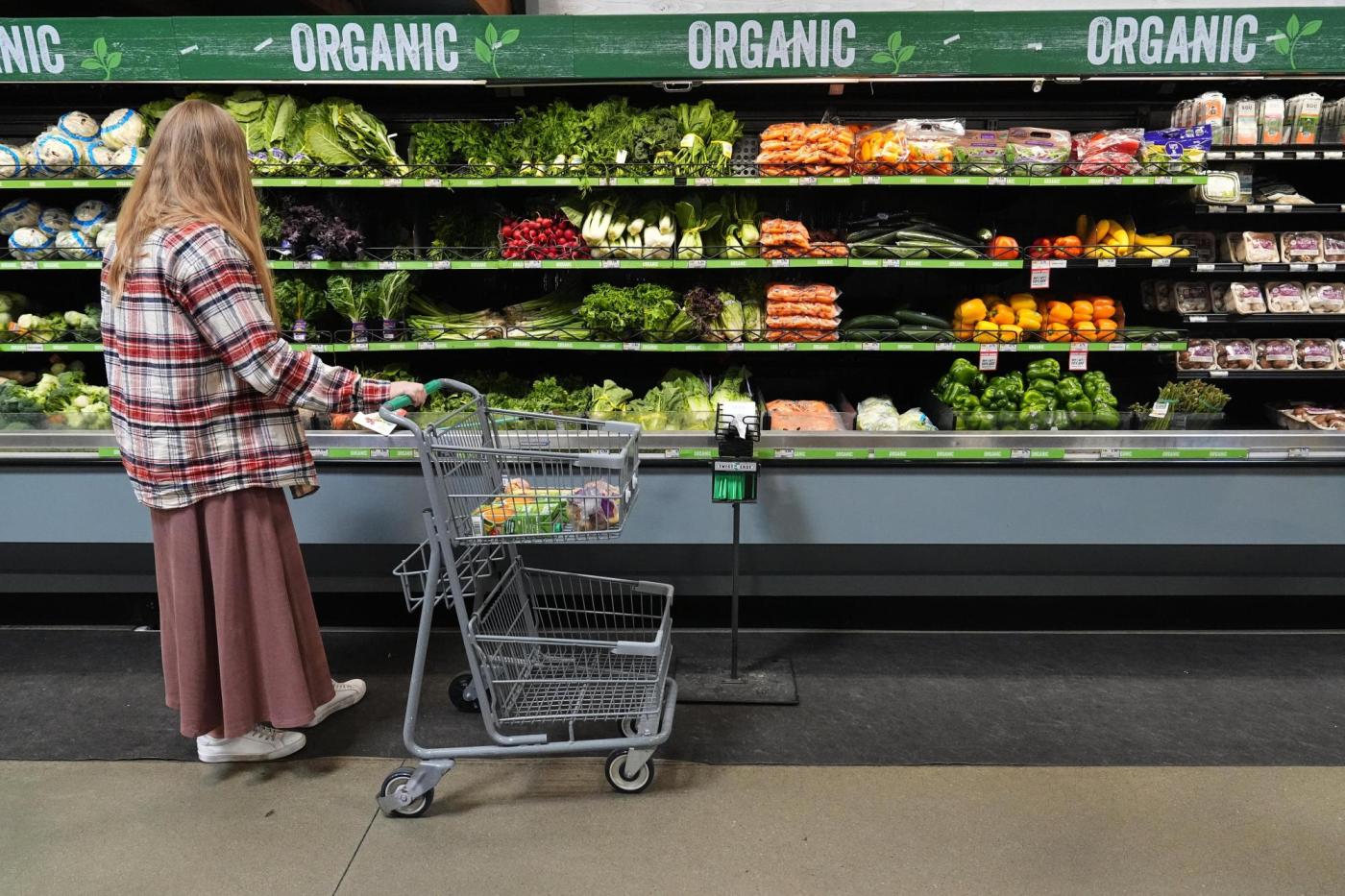
UPDATE: New reports reveal a growing debate over the effectiveness of government funding aimed at combating food deserts across the United States. As officials allocate billions to address food access, experts caution that simply opening grocery stores may not solve the deeper issues related to poverty and nutrition.
Just announced: State leaders in Lynwood, California, celebrated the opening of a new grocery store funded by $5.1 million from state resources aimed at revitalizing a long-abandoned gas station. This store is touted as a vital resource for a community previously classified as a food desert.
However, critics argue that pouring funds into new grocery stores does not address the core problem. Since 2024, LA County’s Food Equity Fund has distributed $20 million to nonprofits to establish markets in these underserved areas, yet questions remain about their long-term impact.
Research from NYU indicates that over the past decade, federal and local governments have invested hundreds of millions to entice grocery stores into food deserts. The FDA defines a food desert as an area where at least 33 percent of the population lives more than 1 mile from a supermarket or large grocery store, often coupled with high poverty rates.
Critics point to the flawed assumption that merely increasing the number of grocery stores will lead to healthier eating habits. A survey funded by the USDA revealed that the average Supplemental Nutrition Assistance Program (SNAP) recipient lives 1.96 miles from a supermarket but typically travels 3.15 miles to their preferred grocery store—suggesting that distance is not the only barrier to healthy food access.
New York City mayor-elect Zohran Mamdani has proposed government-operated grocery stores to provide affordable, healthy options for those in food deserts. However, many question the feasibility of this approach, emphasizing that the demand for such stores may not exist.
The Quarterly Journal of Economics published a study examining purchases from over 1,000 supermarkets opened in food deserts across the U.S. Their findings showed that while households shopped at these new locations, there was no significant shift toward healthier food choices.
Experts argue that the focus should shift from simply increasing grocery store availability to addressing the underlying causes of poor nutrition in low-income communities. Initiatives like early childhood nutrition education and family outreach programs may have a more substantial impact.
As the debate continues, authorities and community leaders are urged to reconsider their strategies to effectively support health outcomes in underserved populations.
What’s next? Watch for updates on policy discussions and additional funding announcements as officials grapple with the complexities of food access and health disparities across the nation.