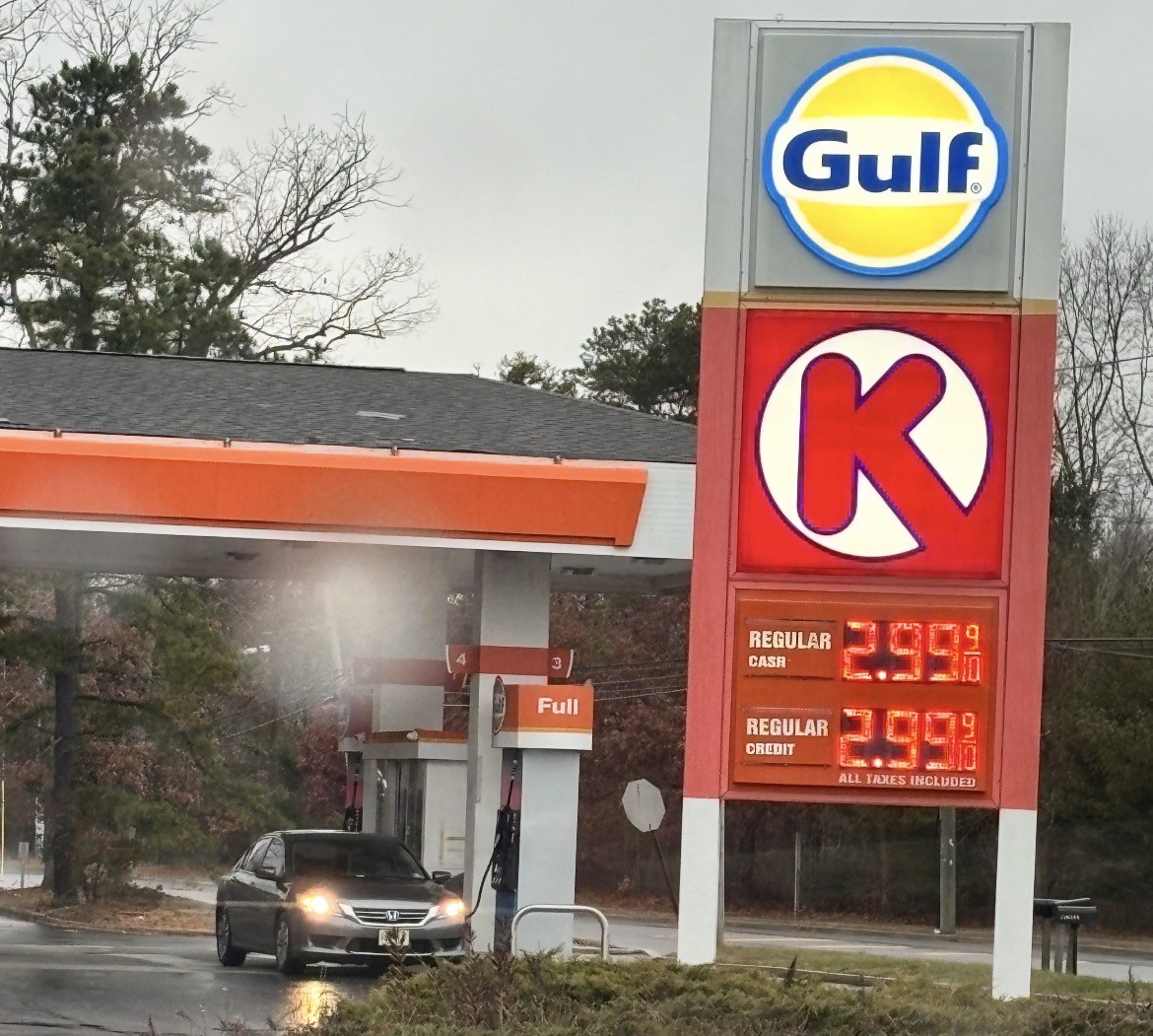
URGENT UPDATE: New Jersey is set to see its gasoline tax rise significantly, with a new increase of 4.2 cents per gallon taking effect on January 1, 2026. This change will propel New Jersey from having the 8th highest gasoline tax in the United States to the 6th highest, now totaling 49.1 cents per gallon for gasoline and 56.1 cents for diesel.
This unexpected tax hike is a result of legislation backed by former Governor Chris Christie and supported by various state lawmakers. Officials claim the funds will support crucial infrastructure projects through the New Jersey Transportation Trust Fund. However, many residents are outraged, believing they were misled into voting for what they thought was a temporary solution to state funding issues.
Residents across New Jersey are expressing frustration, as what was perceived as a one-time tax increase is now an open-ended arrangement allowing the government to raise the gasoline tax at will. “It’s despicable,” said one local citizen. “We thought we were just helping out during a tough time, not agreeing to perpetual tax hikes.”
The new tax adjustment is tied to the Highway Fuel Cap, a provision that allows for annual increases whenever state officials cite a funding shortfall. Thus, New Jersey residents may find themselves facing additional hikes in the future, with little recourse to challenge these decisions.
The latest figures show that New Jersey’s gasoline tax was previously one of the lowest in the nation, a rare point of pride for residents. Now, with this increase, many are left questioning the motives behind the legislation and the transparency of the voting process that led to this outcome.
As the January deadline approaches, New Jerseyans are urged to stay informed about the implications of this tax increase and prepare for the financial impact at the pump. With fuel prices already a concern for families, this development poses a significant burden on budgets statewide.
WHAT’S NEXT: Residents should anticipate further discussions in the state legislature regarding potential future increases and how these funds will be utilized. Advocacy groups are likely to mobilize against what they see as a breach of trust by elected officials. As the situation develops, more information will emerge regarding the effectiveness and accountability of the funds generated from this tax increase.
Stay tuned for updates on this critical issue affecting New Jersey’s residents and their wallets.