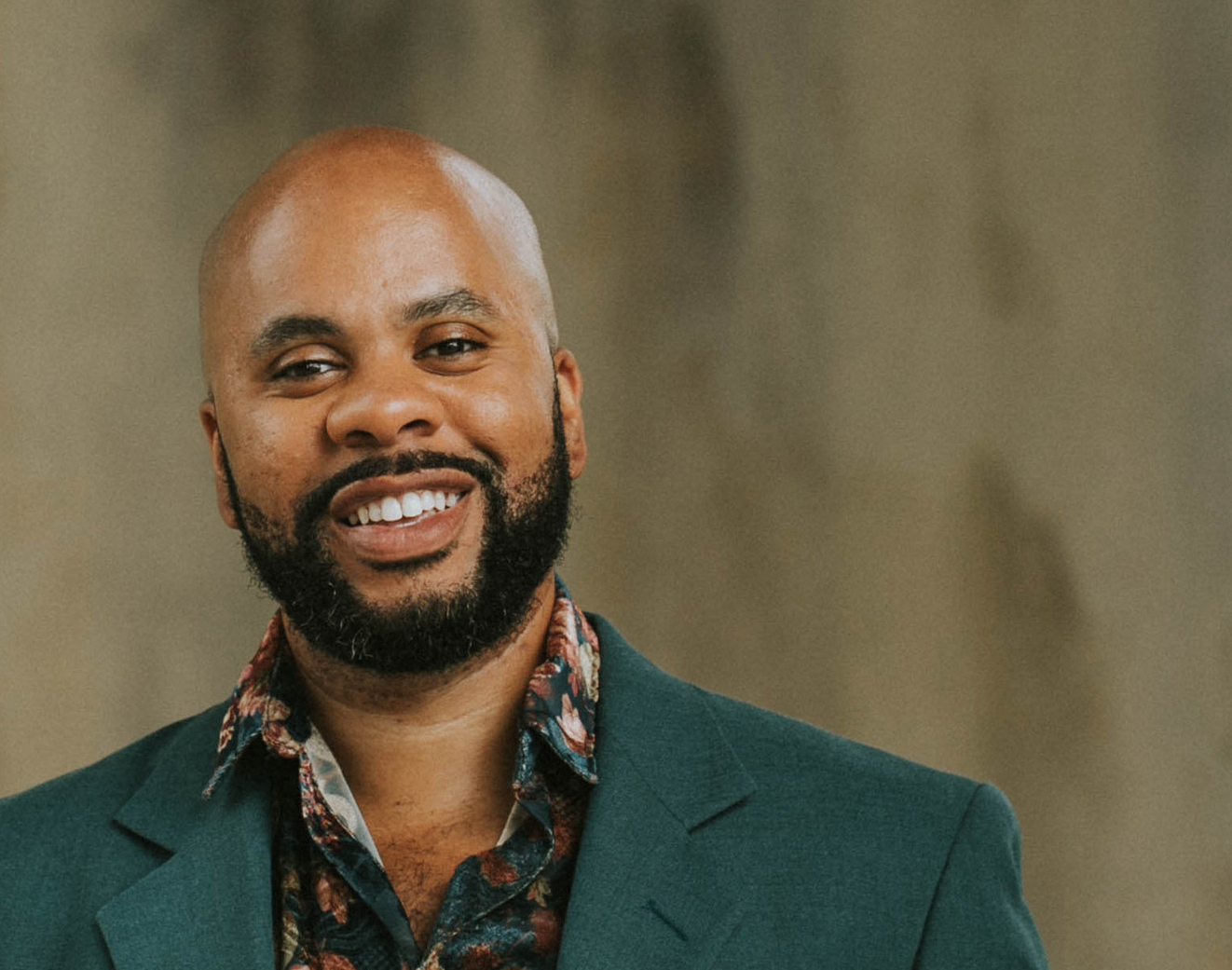
URGENT UPDATE: A heartfelt discussion on community support and personal autonomy emerges as individuals navigate mobility challenges and family dynamics. In a recent column by advice columnist Eric Thomas, readers voiced their concerns about the implications of unsolicited help and family expectations.
In a poignant letter, a long-time homeowner, identified as “Unwarranted Help,” expressed frustration after a neighbor’s son began shoveling her walk without consulting her, despite her existing arrangements for snow removal. The letter highlights a growing issue: many people confuse physical mobility limitations with cognitive incapacity. The homeowner, who has lived independently in her home for over 30 years, insists on her right to manage her own property.
Thomas responded quickly, emphasizing the need for open communication when it comes to acts of kindness. “People often view snow removal as a way to help others, but it’s crucial to respect personal autonomy,” he stated. He advocates for a balance between kindness and respect for individual capabilities, urging neighbors to consult before taking action.
In another letter, a mother facing wedding planning challenges addressed her need for personal space. With her daughter’s wedding set for October 2026, she expressed concern after being asked to give her room to a family friend at the small inn where family members were staying. The mother, who has been navigating significant changes in her personal life, stressed the importance of rest and comfort, particularly during such a busy occasion.
Thomas reassured her, stating, “You have every right to prioritize your needs, especially when it comes to family events.” He highlighted that accommodating personal well-being contributes to a better overall experience for both the mother and daughter during the celebration.
Additionally, a response to a previous letter about a friend experiencing cognitive decline emphasized the importance of community support. A reader identified as “Been There” urged the importance of understanding the challenges faced by those with brain injuries or cognitive issues. They proposed practical solutions, such as offering to accompany friends to medical appointments and coordinating transportation to ensure continued social engagement.
These letters encapsulate a broader dialogue on how society interacts with individuals facing mobility and cognitive challenges. As communities evolve, the need for empathy and understanding has never been more critical.
To read more about these urgent matters and share your thoughts, follow Eric Thomas on social media and join the ongoing conversation.